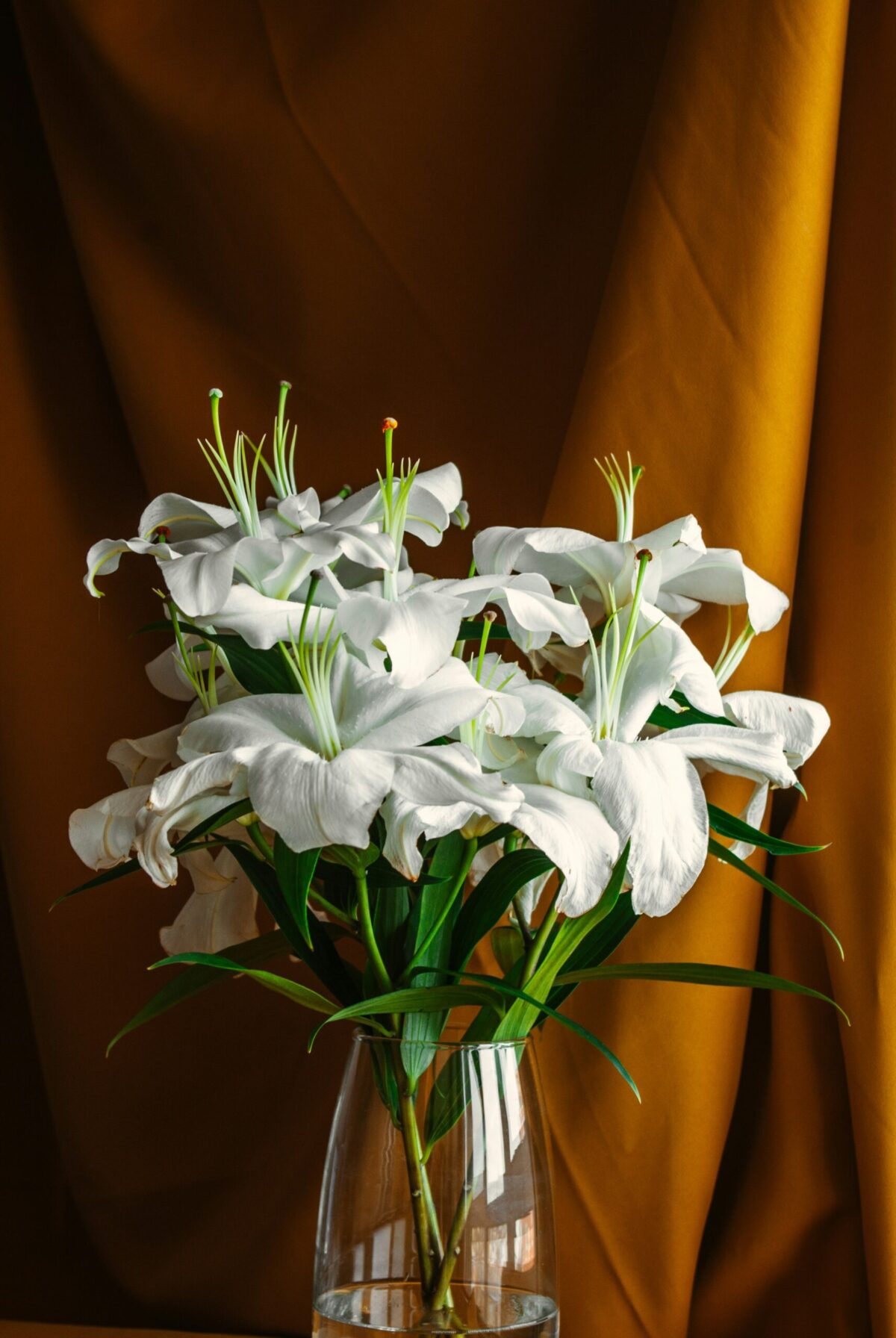
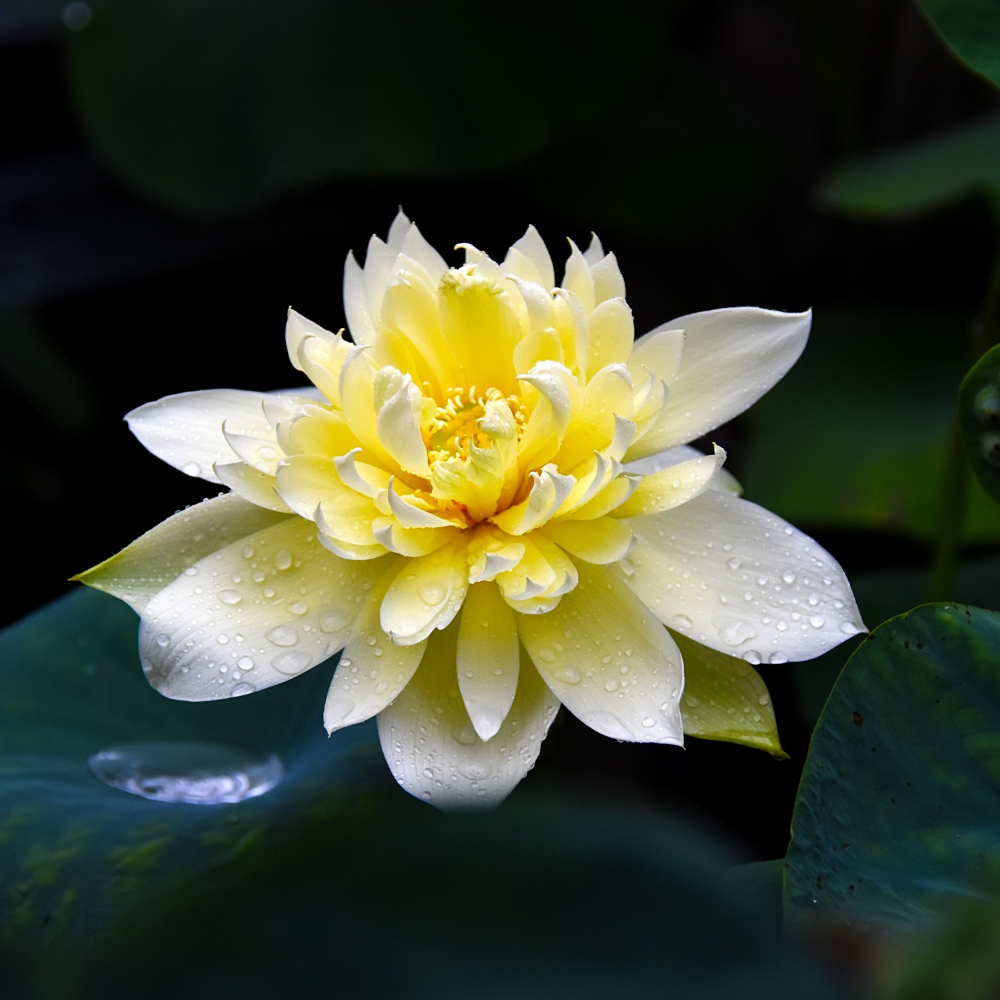
Discover the history and symbolism of the lotus, a sacred flower at the heart of Asian traditions and major spiritual philosophies. This article explores the many dimensions of the white lotus and the pink lotus: Buddhist spirituality, meditation, yoga, the science behind the lotus effect, traditional medicine, as well as art history, cultural heritage, symbols of resilience, and representations of the sacred across the civilizations of India, China, Japan, and Ancient Egypt. Through historical accounts, beliefs, contemplative practices, and scientific insights, dive into the secrets of a flower that has become a universal emblem of purity, spiritual awakening, and detachment.
A Breath of Eternity
Under a clear sky, the lotus rises from the pond, its petals unfurled like a silent prayer addressed to the vastness of the cosmos. A sacred flower above all others, it stands as the ultimate symbol of perfected meditation—a promise of realization achieved through detachment from worldly impurities. Within Pétales d’histoire, we invite you to decipher the symbolism of the lotus: a true aquatic star rising above the mire and the thorns, offering parched hearts the tangible hope of its radiant reality. More than a mere plant, it is a hierophany—a manifestation of the sacred within the botanical realm. To explore the origins, beliefs, and symbolism surrounding this sacred flower in greater depth, discover our complete guide to the history and meaning of the lotus.
The Essence of the Lotus: A Treasure of Wisdom
- Origin and Sacred Geography: A sovereign flower of Asia, spanning from the Indus Valley to the imperial gardens of Japan, and the ancient sanctuaries of Upper Egypt.
- Deep Symbolism: The quintessence of purity in both body and mind; an icon of spiritual detachment and perpetual rebirth.
- The Secret of Incorruptibility: Leaves endowed with hydrophobic properties (the famous “lotus effect”) that repel both grime and stagnant waters.
- Practice and Alignment: An undisputed pillar of transcendental meditation and yoga, embodied in the royal Padmasana posture.
The Lotus in Spirituality: From the Buddha’s Image to the Science of Yoga
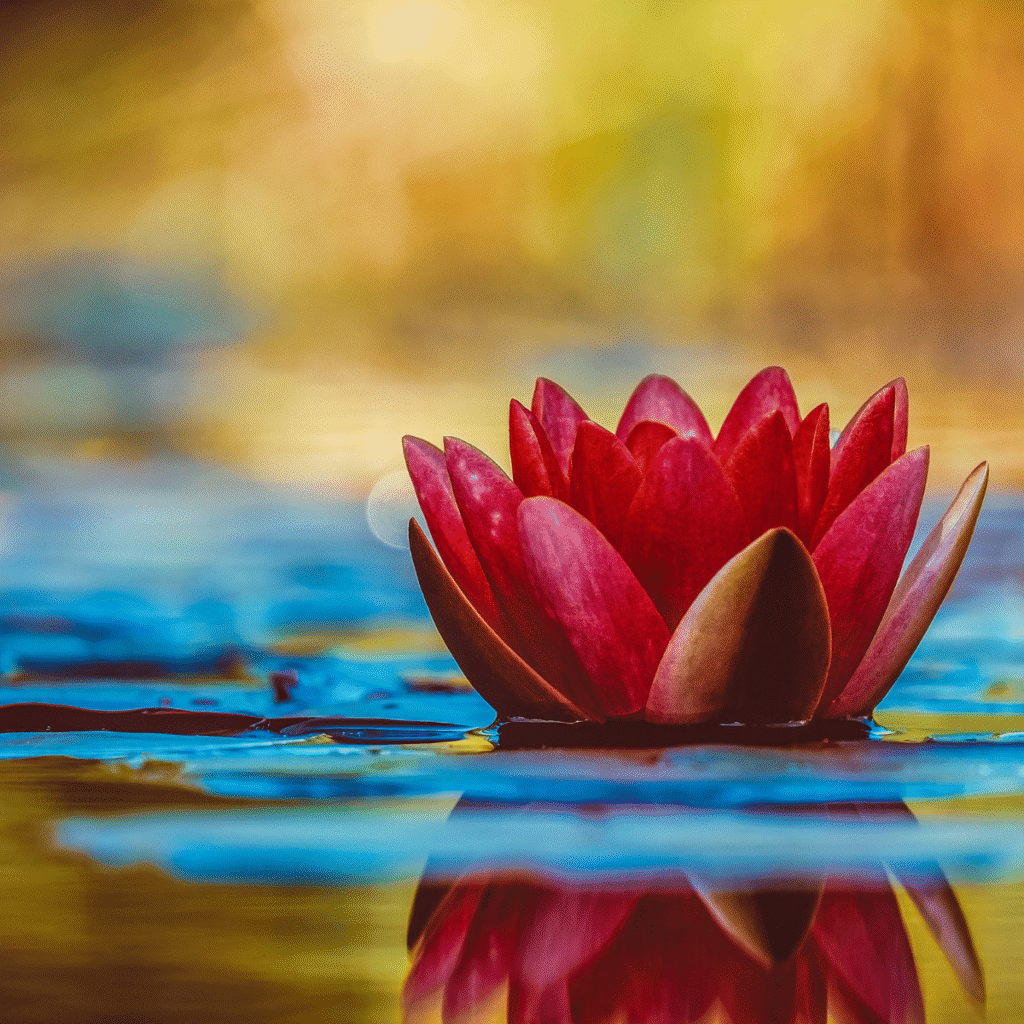
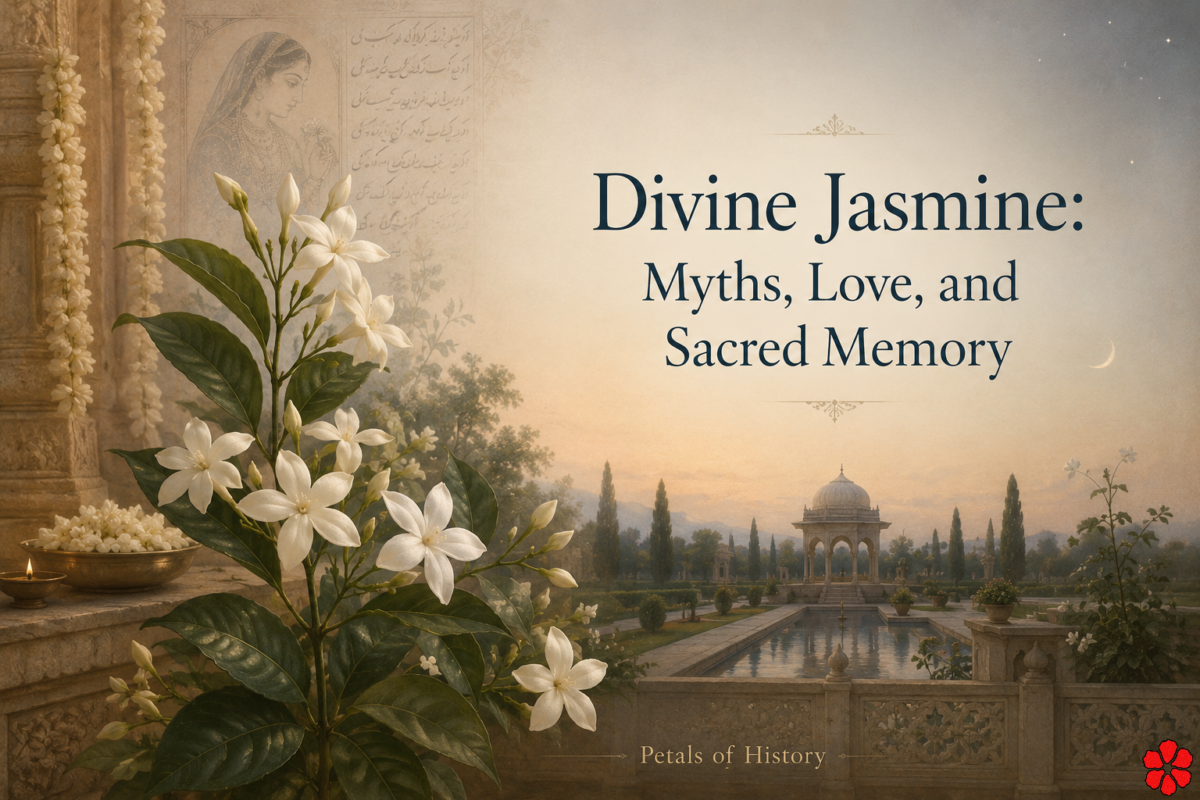
The lotus is a living metaphor, a silent parable of the human spiritual quest. Its roots anchor in the dark mire, its leaves float with grace upon the water, its stem rises with inflexible uprightness toward the light, and its petals remain immaculate under the day’s brilliance. In Asian spirituality—whether in original Buddhism or the ancient lineages of Yoga—it embodies detachment and the awakening of consciousness. Like the divine jasmine, associated with spiritual purity and the elevation of the soul in many Eastern traditions, the lotus symbolizes the inner path toward enlightenment. The Lotus Sutra (composed around the 2nd century), a foundational text of the Mahayana tradition, proclaims that every being, regardless of their nature, possesses within them the seed of Buddhahood, capable of blossoming even in the heart of an imperfect and troubled world.
A thousand-year-old Buddhist legend tells that at the precise moment of the birth of Siddhartha Gautama (the Buddha), giant lotuses sprang up beneath his footsteps, each blossom marking a crucial stage toward total enlightenment. In this spiritual grammar, the white lotus symbolizes mental clarity and the state of Bodhi (awakening), while the pink lotus embodies universal compassion and the historical Buddha. In Bodh Gaya, beneath the shadow of wisdom where the Awakened One attained illumination, monks still meditate today before lotus ponds, observing how their petals reflect the purity of a mind finally liberated from its fetters. This imagery, immortalized in the sacred frescoes of Ajanta, continues to inspire pilgrims from the holy banks of the Ganges to the silent temples of Kyoto.
A Silent Meditation: Detachment through the Architecture of the Body
The lotus is not merely an image; it invites detachment through the experience of deep meditation. In the centuries-old tradition of Hatha Yoga, the lotus position (Padmasana), meticulously described in the 15th-century Hatha Yoga Pradipika, is designed to anchor the body to the earth while opening the mind to pure consciousness. A Zen chronicle reports that a master of the Tang Dynasty, while meditating near a lotus pond at twilight, saw his own reflection flickering in the water. In that instant, he grasped the impermanence of the ego and the illusory nature of the sensible world (Maya)—a mere image reflecting the absolute truth.
In Luoyang, the capital of elegance under the Song Dynasty, monks devotedly cultivated lotuses within pagoda gardens, using their corollas as visual anchors for contemplation. This flower also heals the soul through its physical essence: in Ayurveda, lotus seeds are renowned for soothing anxiety, while in Traditional Chinese Medicine, the rhizomes are used to cool the “fire of the heart,” reinforcing the plant’s role in the quest for inner peace. These ancestral practices, from the ashrams of India to the Zen monasteries of Japan, establish the lotus as a precious ally of mindfulness, possessing the rare virtue of quieting the soul’s inner turmoil.
A Universal Echo: From Ancient Iconography to Modern Resilience
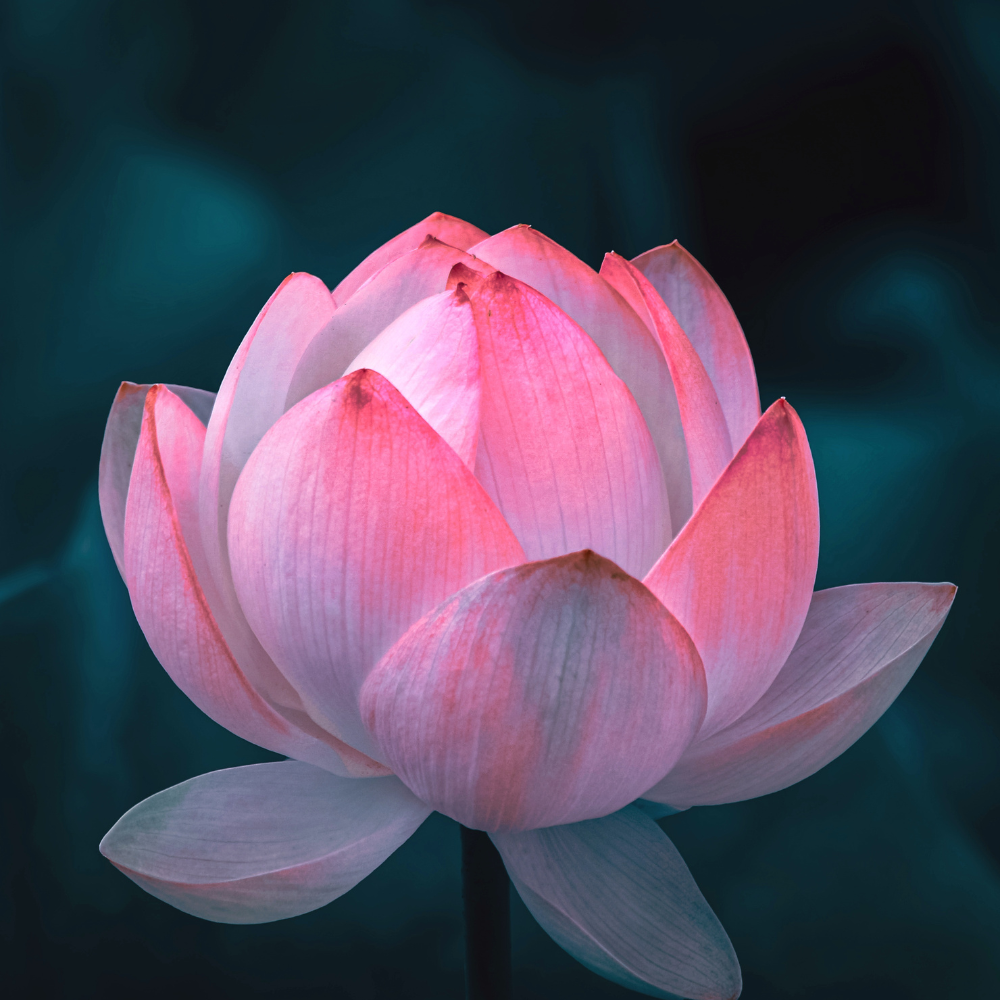
The lotus transcends geographical and temporal boundaries, uniting humanity in its unquenchable search for light. Throughout art history, its stylized petals have adorned the bas-reliefs of the Sanchi Stupa and the delicate silks of the Song period, capturing the radiance of divine presence. A touching anecdote from Burmese chronicles tells of a nun who, by offering a white lotus of rare purity to a temple in Bagan, saw its petals illuminate with a bluish glow under the moonlight—a sign of a high spiritual blessing.
In our modern culture, the symbolism of the lotus remains undiminished: lotus tattoos, found from the vibrant markets of Bangkok to the artist studios of Paris, often illustrate intimate tales of personal transformation and victory over adversity. Lotus-shaped jewelry, worn as protective talismans, evokes a sense of floral resilience in the face of life’s trials.
In 1950, India officially chose the lotus as its national flower, making it a symbol of national unity and political purity. Contemporary poets still describe the lotus as a “flame of water”—a liquid torch guiding meditators toward the silence of peace. From Western Buddhist centers to the simplest home altars, the lotus remains a flowering prayer, uniting souls in a breath of eternity.
A Petal of Light in Conclusion
From the mythical steps of the Buddha to the meditative ponds of our secret gardens, the lotus tells an epic of awakening and purity. Its spiritual significance, deeply rooted in the practice of meditation and the power of resilience, continues to illuminate hearts across the ages.
Do you know, ultimately, why the Lotus so perfectly symbolizes spiritual detachment? It is because its very nature defies defilement: its leaves and petals are hydrophobic. The muddy water of the ponds slides off it without ever being able to stain it. It is born in the mire, rises toward the zenith, and despite its earthly origin, remains eternally pure.
The story does not end with this petal…
Explore more tales of floral traditions and heritage, where every flower reveals a fragment of history, spirituality, and cultural memory.
FAQ: Wisdom and Mysteries of the Sacred Lotus
Why is the lotus considered the ultimate symbol of spiritual resilience?
The lotus performs a daily miracle: it transmutes pond mire into an immaculate corolla. For the sages, it teaches that awakening does not require fleeing the world, but rising above its turmoil. It is the perfect metaphor for the soul’s ability to remain untainted, regardless of the mud in which it takes root.
What is the hidden meaning of the lotus position (Padmasana) in yoga?
Padmasana mimics the sacred geometry of the flower. By anchoring the lower body like a rhizome and opening the chest like petals, the yogi becomes a bridge between earth and sky, facilitating the free flow of vital breath (Prana) toward the higher spheres of consciousness.
How does the history of the lotus still influence our modern culture?
From the ancient bas-reliefs of Sanchi to contemporary tattoos, the lotus remains a talisman of transformation. Today, it is chosen by those celebrating a new beginning or a victory over adversity. To wear or contemplate a lotus is to align oneself with a lineage of light-seekers who, from the pharaohs to the present day, refuse to let the world’s chaos wither their inner radiance.
Continue Your Exploration
Immerse yourself in the world of flowers through our various themes and discoveries.
Start ExploringReceive Our Next Discoveries
Subscribe ✉️