Flowers, Tradition and Heritage
From Sacred Rites to Secular Traditions: Symbol, Memory, and Ceremonial
To the articles

The history of the relationship between human beings and the plant kingdom is woven from an invisible fabric: symbolism. Long before being cultivated for science or commerce, the flower was a vessel of meaning—the first word of a wordless language. From a tiny petal to a massive bouquet, it has always served to externalize the unspoken: respect, promise, sorrow, or devotion.
- Sacred Botany: The flower as a bridge between the material world and the divine.
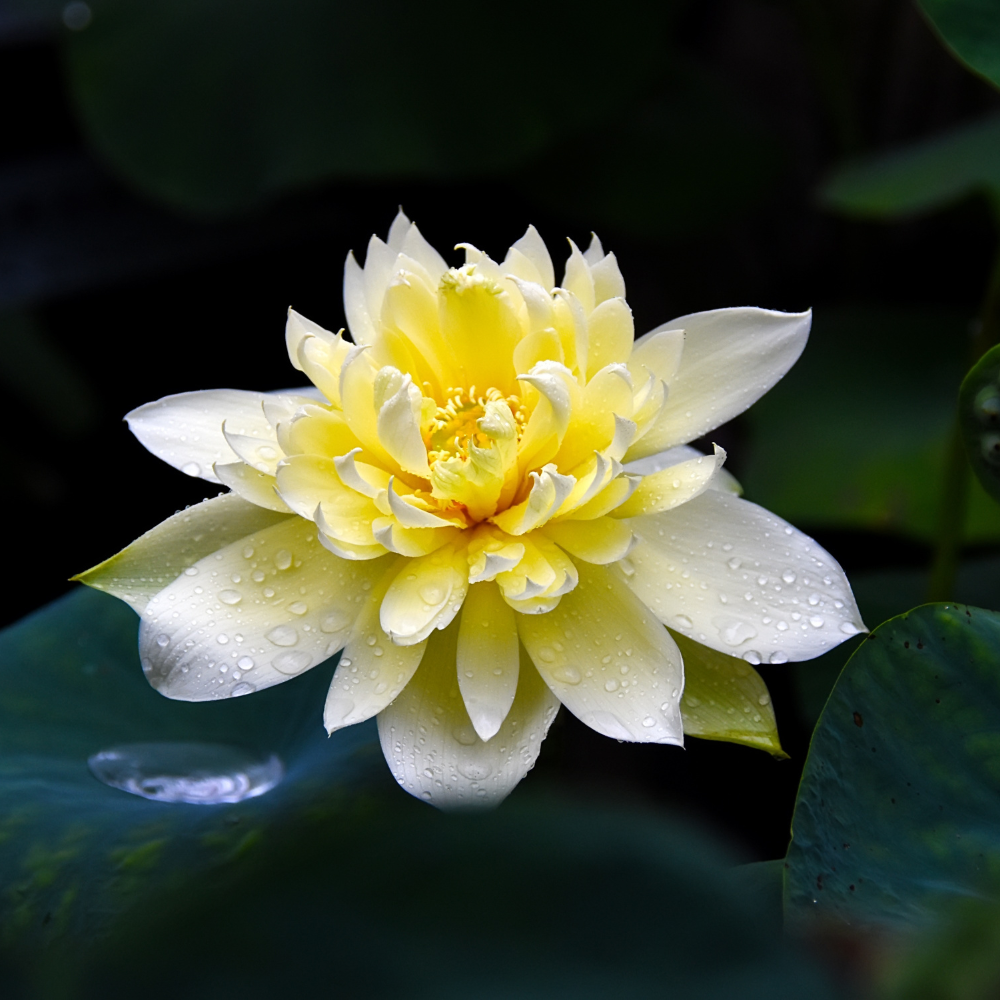
- Rituals of Life: From the Lotus of rebirth to the Victorian codes of floriography.
- Heritage & Memory: How ancient varieties and national emblems guard our collective legacy.
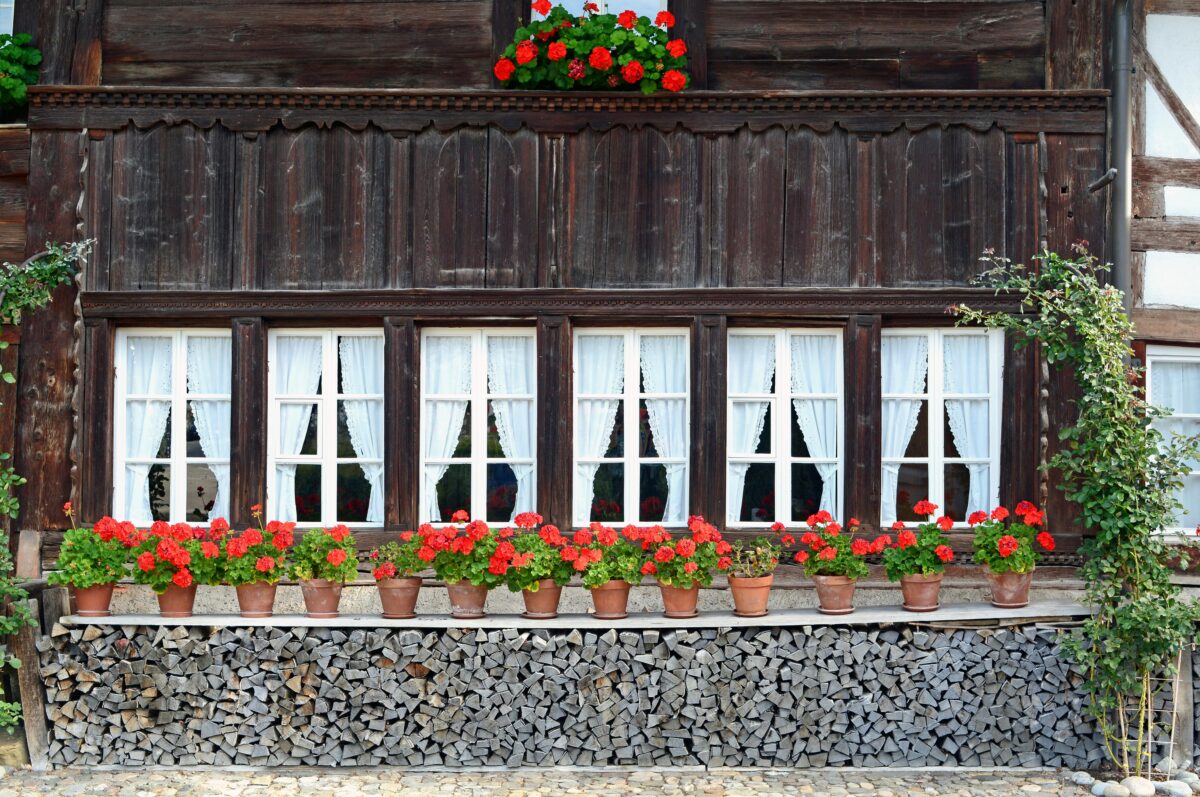
- The Guardian Géranium: Exploring the traditional role of flowers in domestic architecture.
I. The Sacred and the Spiritual: The Cult of the Botanical
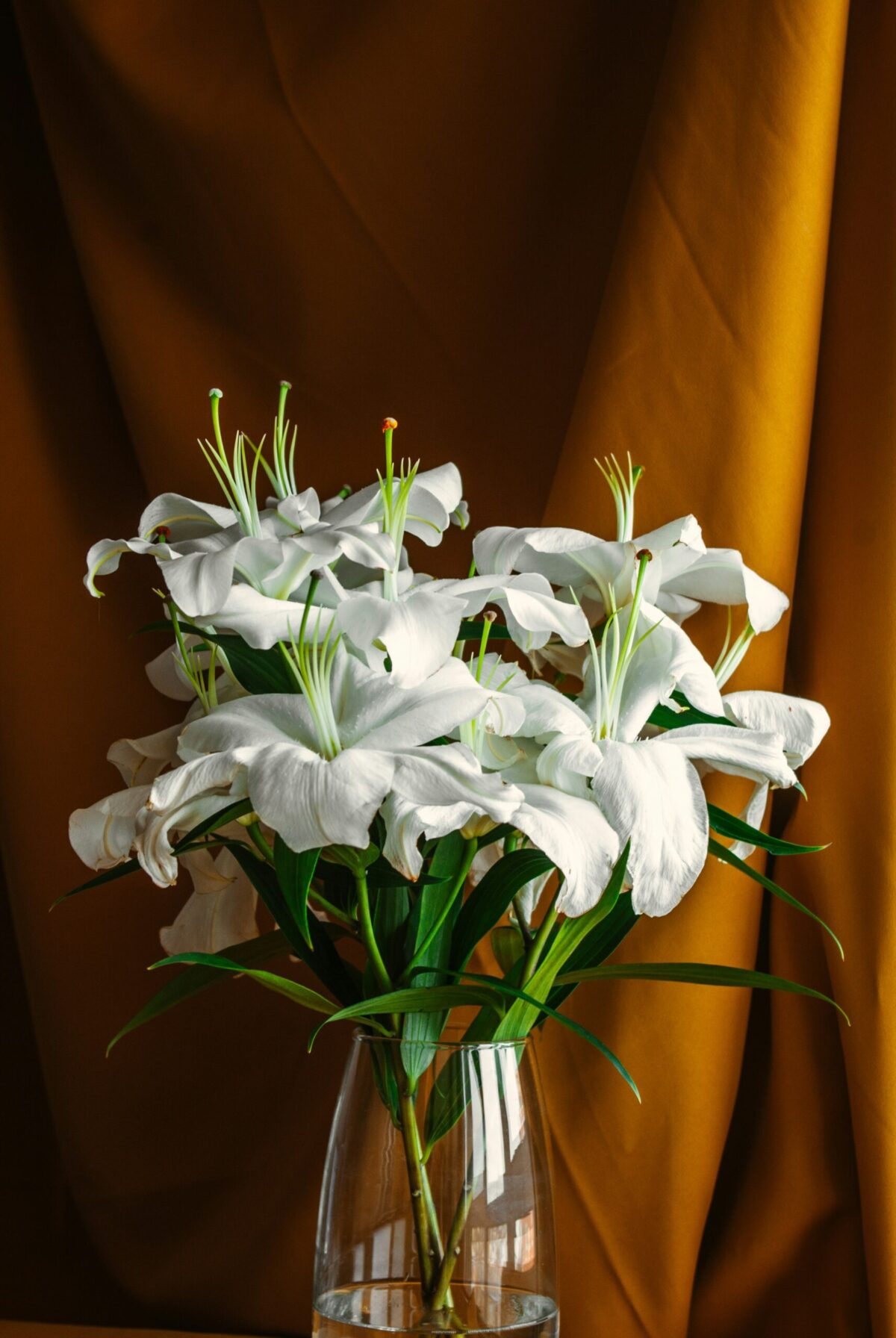
Since the earliest prehistoric burials, humanity has associated plant life with the afterlife and immortality. The flower is the ultimate offering, a vehicle for meditation, and a sign of divine favor. Whether it is the blue lotus of the Nile or the white lily of the Annunciation, the plant kingdom stands as a pillar of human faith, transforming every garden into a silent cathedral.
II. Ceremonial and Traditions: Rituals of Life and Death
While sacred rites reach toward the divine, secular ceremonies touch upon the transitions of human life. The flower is the indispensable actor in birth, marriage, and funerals. In the Victorian era, this role was codified into floriography—a secret language where a simple arrangement could express feelings too passionate for words. Today, the flower remains the irreplaceable ambassador of our deepest emotions.
III. Memory and Heritage: Guardians of Legacy
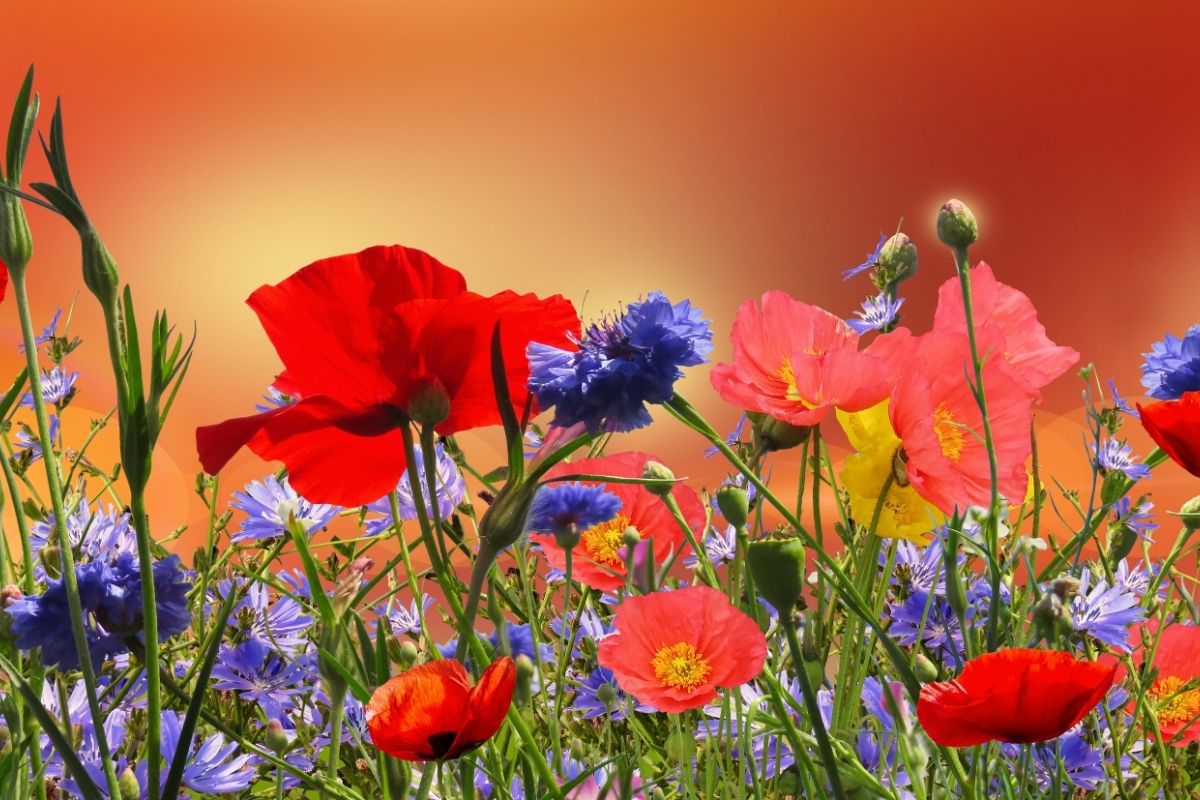
The flower is intimately linked to collective memory. It commemorates historical sacrifices (like the poppy) or defines national identities. Beyond symbols, the plants themselves are a legacy: the conservation of “heritage” varieties is a race to protect the genetic and cultural memory of humanity. Every botanical garden is thus a living museum of our shared history.
FAQ: Flowers in Tradition & Ritual
What is floriography? It is the Victorian “language of flowers,” a complex system where each species and color carried a specific message, allowing for coded communication.
Why are red geraniums so common in traditional European windows? Beyond their beauty, they were historically believed to protect the household and ward off evil spirits in rural folklore.
Your Articles