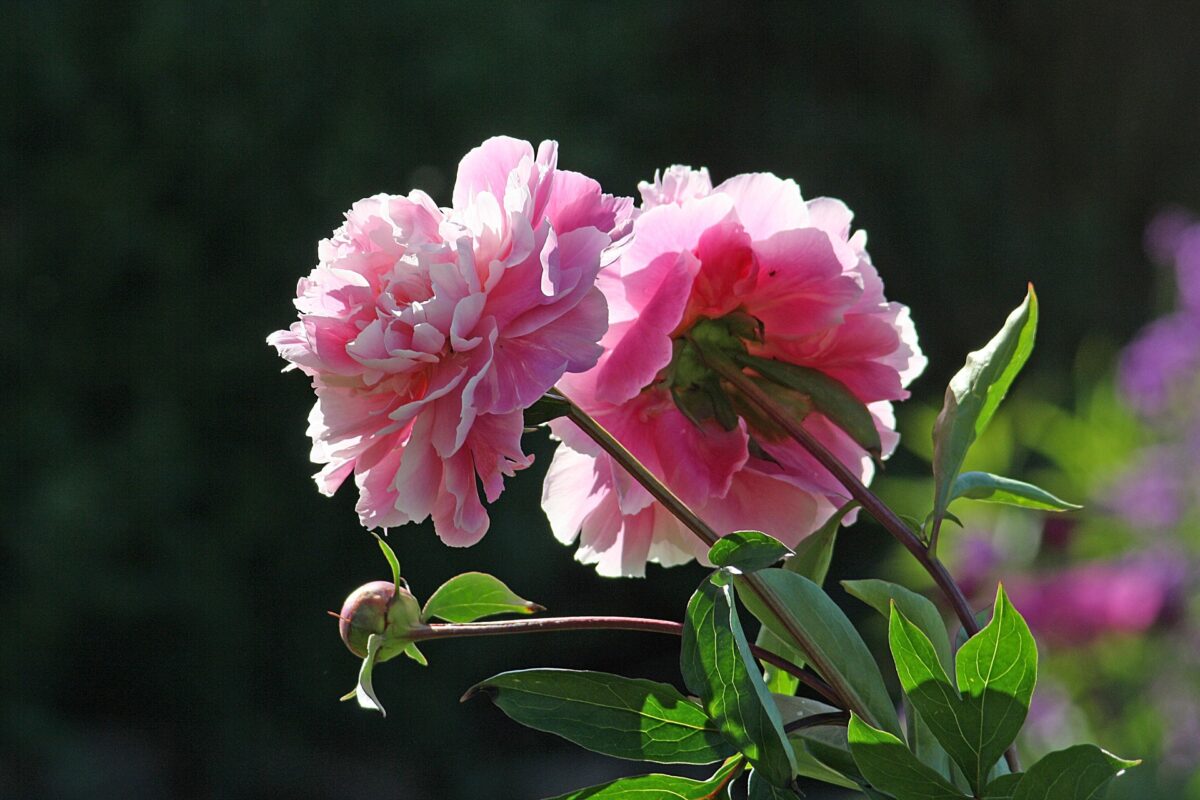

Beneath the turquoise domes of Isfahan, where sunlight dances across the mosaics, the Rose of Isfahan unfurls in a blaze of pink petals. Its sweet, languorous perfume – like a secret whispered by the Zāyandèrud – fills the Persian gardens, those earthly paradises where time itself seems to linger. Known to botanists as Rosa damascena, this flower, born of Persia’s arid soil, is far more than mere ornament: it embodies the very soul of a city once called “half the world”. A symbol of love, beauty, and spirituality, the Rose of Isfahan has inspired poets, perfumers, and travellers for centuries.
What you are about to discover in this article
A Flower Born in the Splendour of Isfahan
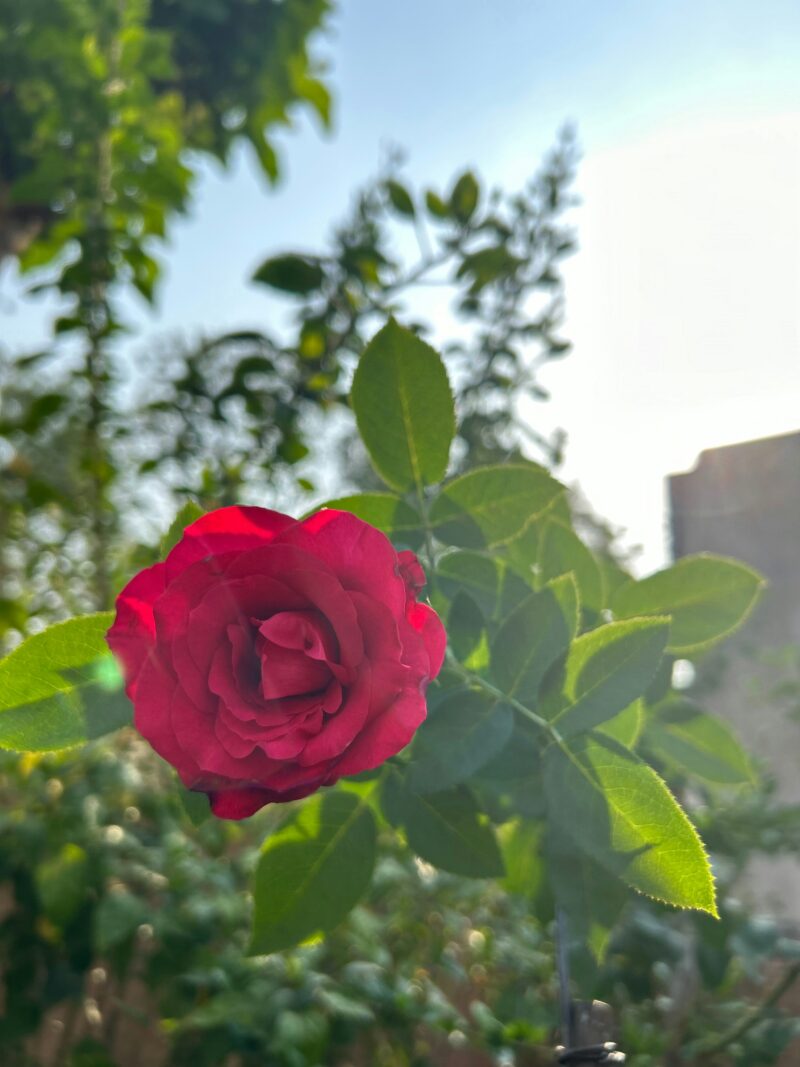
The Rose of Isfahan, a member of the Damask rose family, flourishes in the rose fields of Qamsar and Kashan, close to the city itself. Its full, double petals, a vivid rosy pink, catch the first light of dawn, while its rich, fruity fragrance fills the morning air. Cultivated for centuries, it is gathered at daybreak so that its precious scent may be preserved – a scent destined for rose water, fine perfumes, and sacred rituals. Legend has it that this rose, perhaps born in the eighteenth century, was a gift from the stars to the Persian gardeners, a tribute to the magnificence of Isfahan, jewel of the Safavid empire.
Introduced into Europe by travellers such as Norah Lindsay, the Rose of Isfahan transformed English gardens, bringing an oriental radiance to Western flowerbeds. Today it remains an enduring emblem of Persia, bridging cultures through its timeless beauty.
A Symbol in Persian Culture
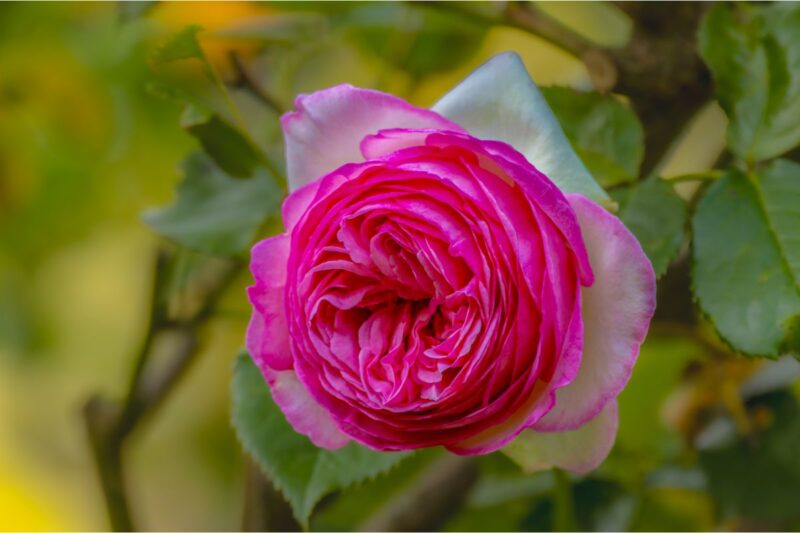
In Persian culture, the Rose of Isfahan is far more than a mere flower: it is an embodiment of beauty, love, and mystery. In the gardens of Isfahan – designed as earthly paradises – it reigns supreme among fountains and cypress trees, capturing the very essence of the chahar bagh. These gardens, the crowning expression of Safavid aesthetics, place the rose at the heart of Persian stories, paintings, and decorative arts.
The rose also lies at the centre of Persian poetry, where it is known simply as gol and is almost inseparably linked with the nightingale (bolbol), the timeless symbol of passionate, often unrequited love. This motif, cherished by poets such as Hafez, has endured through the centuries. For a deeper exploration, see Flowers in Art: “The Rose and the Nightingale: From Hafez to Leconte de Lisle”. In Sufi rituals and mysticism, the rose represents the soul’s longing for the Divine.
Quand Paris rêve d’Ispahan : la rose selon Musset
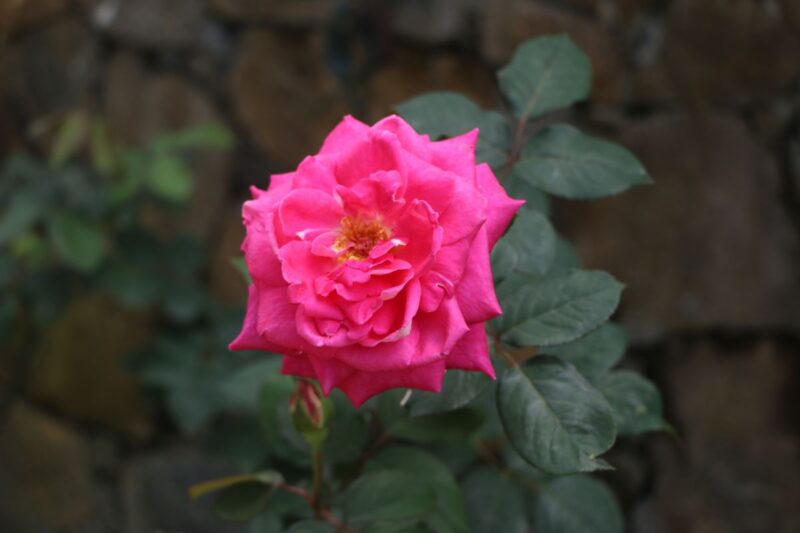
The ancient motif of the rose in love with the nightingale, so beloved in Persian poetry, travelled across continents to France, where it acquired a distinctly romantic hue. It was Alfred de Musset who, in 1837, transformed it into a sensual ode in his cycle Les Nuits:
« La rose d’Ispahan, dans son gai sérail,
Embaume l’air qu’elle exhale ;
Son front est plus blanc que l’opale,
Son œil plus noir que le corail. »
For Musset, the Rose of Isfahan is no longer merely the Sufi emblem of divine purity; she becomes a distant, thorny, intoxicating lover – a mirror of his own romantic torments (fed, of course, by his tempestuous affair with George Sand). That rich, fruity perfume which he evokes as an “oriental veil of mystery” haunted the French imagination and went on to inspire the great perfumers of the nineteenth century. Thus, from Hafez to Musset, the Rose of Isfahan weaves a crimson thread between mystical love and earthly passion, linking the rose fields of Kashan to the literary salons of Paris.
A Fragrance that Travels Through Time
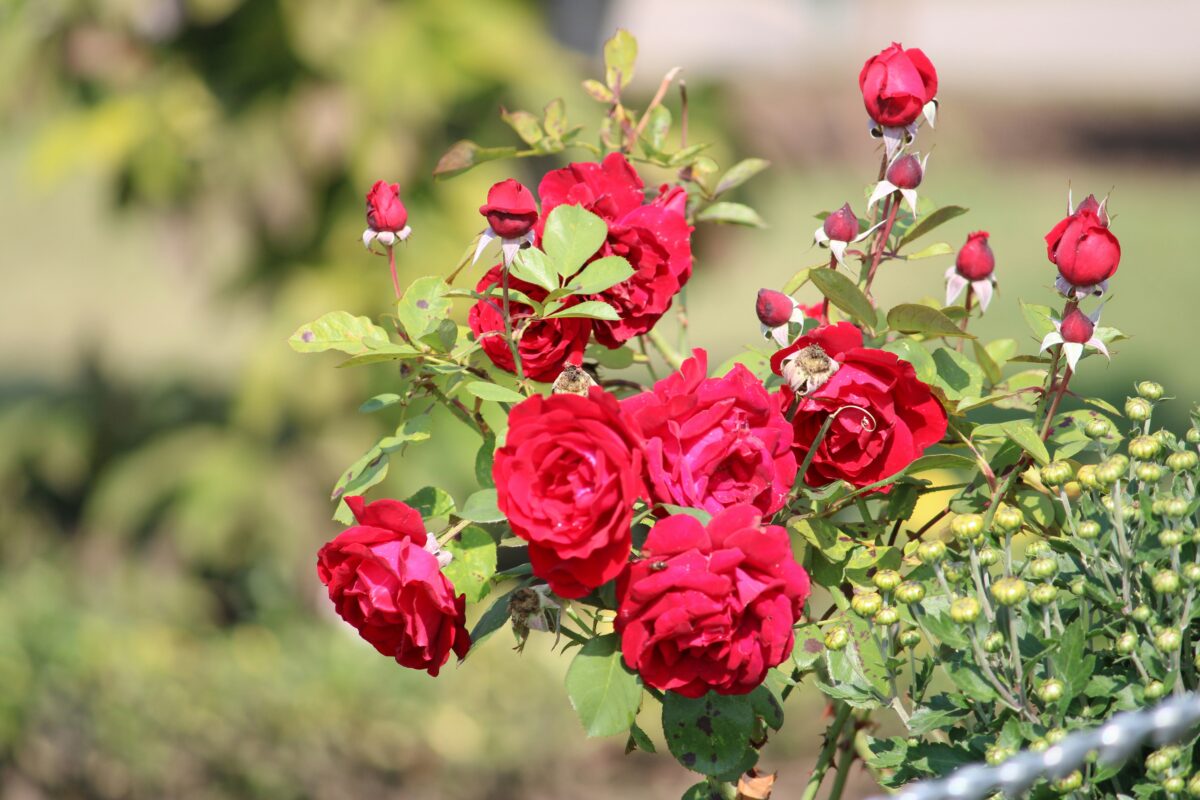
The scent of the Rose of Isfahan defies the centuries. In Qamsar, petals gathered at dawn are distilled into a precious rose water, treasured in cosmetics for its soothing effect on the skin and in the kitchen for perfuming lokum, sorbets, or delicate syrups. In Paris, Pierre Hermé immortalised it in his celebrated Ispahan pastry – a sublime marriage of rose, lychee, and raspberry. In traditional Iranian medicine, the petals are infused into teas or worked into ointments for their healing virtues.
The fragrance journeys on inside the bottles of master perfumers such as Guerlain, conjuring the twilight bustle of Isfahan’s bazaars in a single breath. Thus the Rose of Isfahan continues to bind East and West, carrying the soul of Persian gardens into French rosaries such as Bagatelle – a living bridge well worth discovering.
One Last Petal
La rose d’Ispahan, flamme persane, continue d’enchanter par sa beauté et son parfum. Des jardins d’Ispahan aux poèmes et parfums modernes, elle tisse une légende intemporelle. Suivez son éclat dans La Route des Fleurs, un itinéraire virtuel et physique reliant les cultures. Explorez ses dimensions poétiques dans Fleurs dans l’art, ses usages dans Fleurs et l’art de vivre, ou son rôle spirituel dans Fleurs et spiritualité. Pour une vision plus large des roses, découvrez le futur portrait « La Rose : Reine des Fleurs ». Laissez la rose d’Ispahan vous guider dans un voyage sensoriel.
Explore our themes through the “Flower Collection” tab, or return to the heart of our world:
GatewayFrequently Asked Questions about the Rose of Isfahan
What are the historical origins of the Rose of Isfahan?
A variety of Rosa damascena, it emerged from the rose fields of Qamsar and Kashan near Isfahan during the Safavid era (eighteenth century). Persian lore sometimes describes it as a “gift from the stars” bestowed upon the gardeners of that golden age. It reached Europe through travellers such as Norah Lindsay and swiftly won the hearts of English and French gardens.
How was the Rose of Isfahan introduced to Europe?
Brought back by nineteenth-century explorers and botanists, it established itself in French rosaries, most famously at Bagatelle, where the Empress Joséphine cherished it during Napoleon’s reign. This imperial connection turned the rose into a fragrant bridge between the bazaars of Isfahan and the parks of Paris.
What is the symbolism of the Rose of Isfahan in Persian culture?
Known simply as gol (rose), it is inseparable from the nightingale (bolbol), embodying passionate and often unattainable love. It pervades the verses of Hafez and lies at the heart of Sufi ritual, representing the soul’s longing for the Divine, the fleeting nature of beauty, sensual delight, and ultimate mystical union.
Why does the Rose of Isfahan unite East and West?
From its Persian cradle to the rosaries of Bagatelle, it carries centuries of travel: Sufi mysticism, European empresses, fusion pastries such as Pierre Hermé’s Ispahan. Today it blooms in gardens the world over, quietly proving that “the rose has no single name, only a fragrance that crosses every frontier”.(If this is the final section, the entire article is now complete and ready. Shall I send you the full polished text in one piece, or is there anything else you’d like adjusted?)