Flowers and The Art of Living
The Art of Living and Essence: Perfumery, Cosmetics, and Floral Heritage
To the Articles
The flower does not merely dwell within our gardens or vases; over the centuries, it has slipped into the deepest intimacy of our homes and our rituals. It is that head note defining our sillage, the secret ingredient transforming a dish into a work of art, or the balm that soothes the skin. In this section of “Petals of History,” we lift the veil on the flower as an essential ingredient of life, exploring how it sublimates the ordinary into a sensory and sacred art of living.
I. Flowers at the Service of Smell: The Soul of Perfume
Smell is the sense of immediate memory. A simple waft of jasmine can transport us to a childhood garden or the distant Orient. Since Antiquity, when flowers were burned to communicate with the gods, humanity has sought to capture the evanescent soul of the corollas.
1.1. The Art of Perfume: An Alchemy of Delicacy
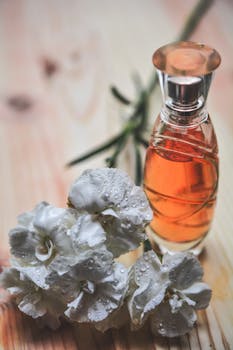
Capturing the scent of a flower is a challenge to nature. Here, we explore the techniques that made cities like Grasse famous: from steam distillation and solvent extraction to the ancestral cold enfleurage.
Certain flowers are the pillars of global perfumery. May Rose, Grasse Jasmine, or Tuberose are not merely scents; they are “noble raw materials” that require thousands of blossoms to produce just a few drops of absolute. Discover how “noses” assemble these floral notes to create accords that become the invisible signature of our identity.
1.2. Aromatherapy and Atmosphere: Well-being Through the Senses
Beyond adornment, the flower heals the spirit. Modern aromatherapy rediscovers what the ancients already knew: the fragrant molecules of flowers act directly on our limbic system. Whether through the diffusion of lavender essential oils to soothe a restless night or the use of handcrafted candles with spring scents, the flower redefines the ambiance of our interiors. It is no longer mere decor, but a gentle therapy for the soul.
II. The Flower and the Skin: Care Through Botany
The history of cosmetics is inseparable from that of herbalism. Long before modern laboratories, queens and apothecaries drew from the flower’s calyx the secrets of youth and radiance.
2.1. Historical Beauty Secrets
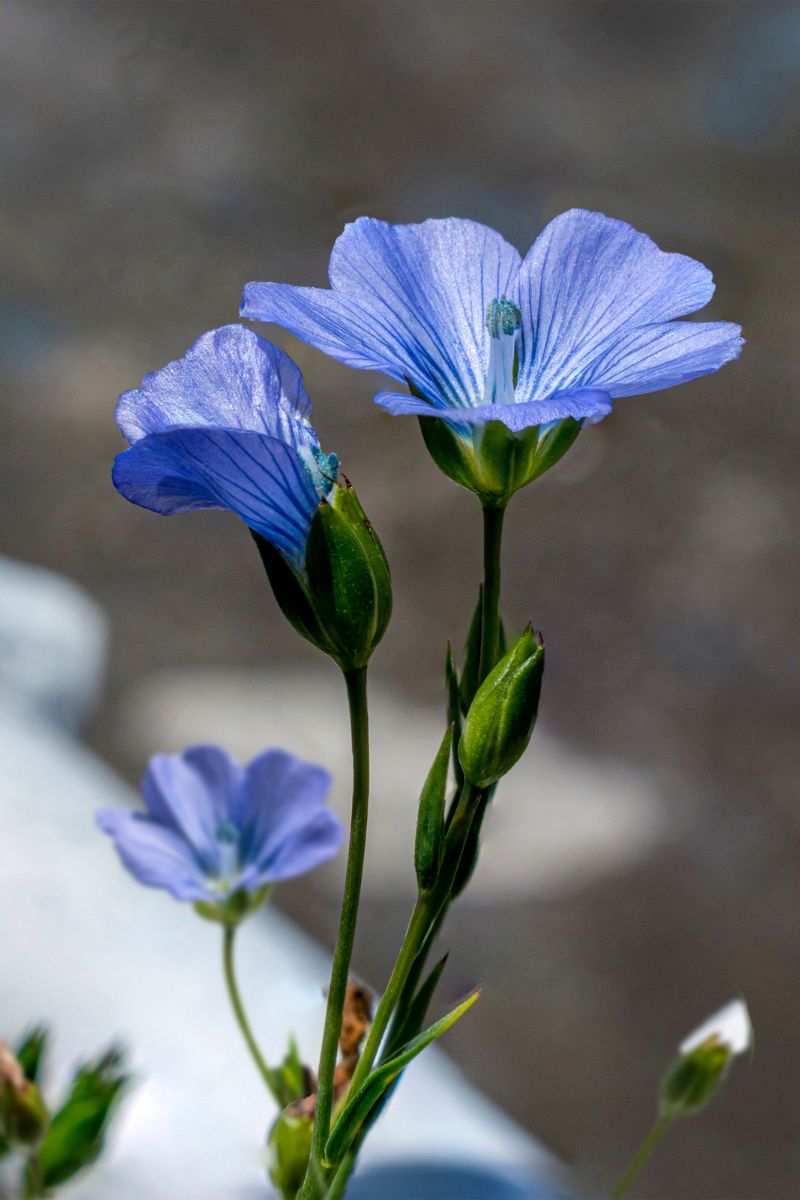
From the rose water used by 18th-century socialites to the lily masks used to brighten the complexion, the flower has always been a symbol of purity. We analyze how these ancient recipes now inspire “Green Beauty.” Corsican Immortelle, mallow, or cornflower are no longer just wildflowers, but powerful active ingredients recognized for their antioxidant and soothing properties.
III. Floral Gastronomy: A Feast of Colors and Flavors
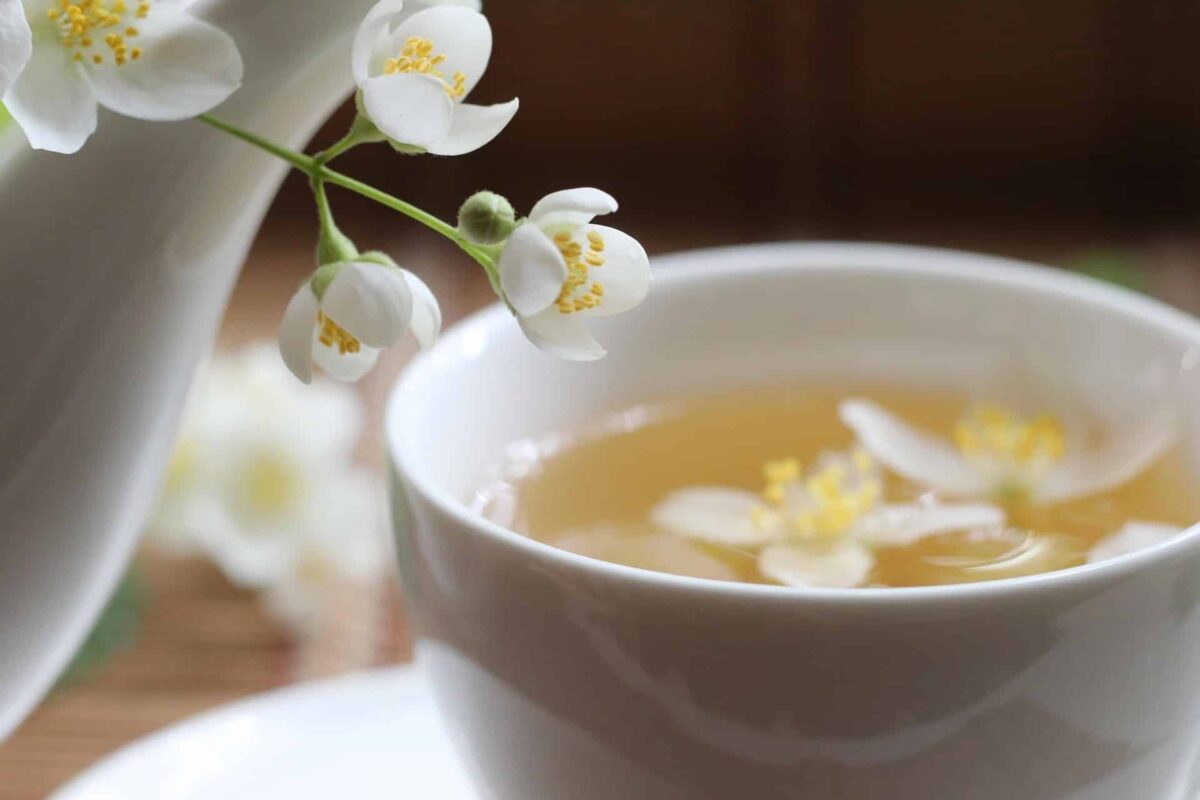
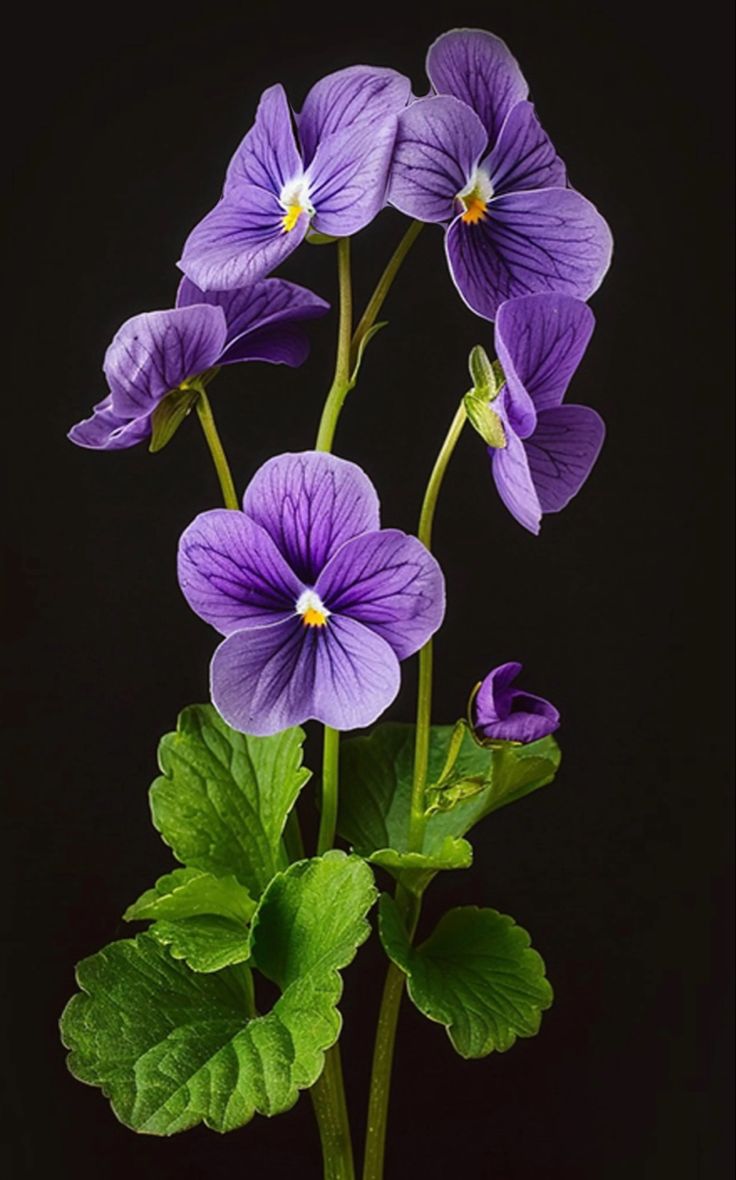
Long confined to herbal teas or violet jams, flowers are making a stunning comeback on the tables of great chefs and in our daily kitchens. They bring a dimension that no other ingredient possesses: an edible aesthetic paired with a palette of surprising tastes.
3.1. The Flowered Plate: Between Audacity and Tradition
Cooking with flowers requires precise knowledge. One does not consume a zucchini blossom the same way one uses a marigold petal. We guide you through this gourmet garden: the peppery taste of nasturtium, the sugary sweetness of acacia, or the elegant bitterness of dandelion. Flowers in the kitchen are an invitation to slow down and to create plates that celebrate the cycle of the seasons and biodiversity.
IV. Conclusion: The Flower, Signature of a Harmonious Life
The floral art of living is a philosophy of detail. It is choosing to surround oneself with the natural, to prioritize the essence over the synthetic, and to recognize the nobility of working the land in every perfume bottle or infusion. By browsing our articles, you will learn to transform your daily life into a floral sillage, where every gesture becomes a tribute to the beauty of the living.
Explore all our articles