Gardens of the World
The Garden, Mirror of the World: A History of Earthly Paradise, from Ancient Oases to the Modern Era
Access the articles

Gardens are not merely arrangements of flowers and trees; they constitute the living memory of civilizations—the locus where humanity has sought to reconcile order, nature, and the soul. Throughout the ages, every garden has served as a mirror to the philosophy, spirituality, or political power of its time. These enclosed spaces, these sculpted landscapes, recount an unbroken story of human ingenuity and aspiration. Let us embark on a scholarly and structured journey, exploring how the idea of the garden, born from the thirst of the Orient, evolved to become the complex expression of modern societies.
- The Archetype of Paradise: From the Persian Pairidaeza to the mastery of desert waters.
- The Sanctuary of Knowledge: The Hortus Conclusus as a medieval refuge for medicinal plants and prayer.
- The Theater of Power: Geometry and symmetry at the service of absolute monarchies.
- The Romantic Revolution: When nature regains its freedom in the English landscape.
I. The First Enclosures: Water, Myth, and the Persian Paradigm
The origin of the garden, as we conceive it, is inextricably linked to the necessity of creating abundance and the coolness of shade within arid lands.
☀️ The Pairidaeza and the Archetype of Paradise
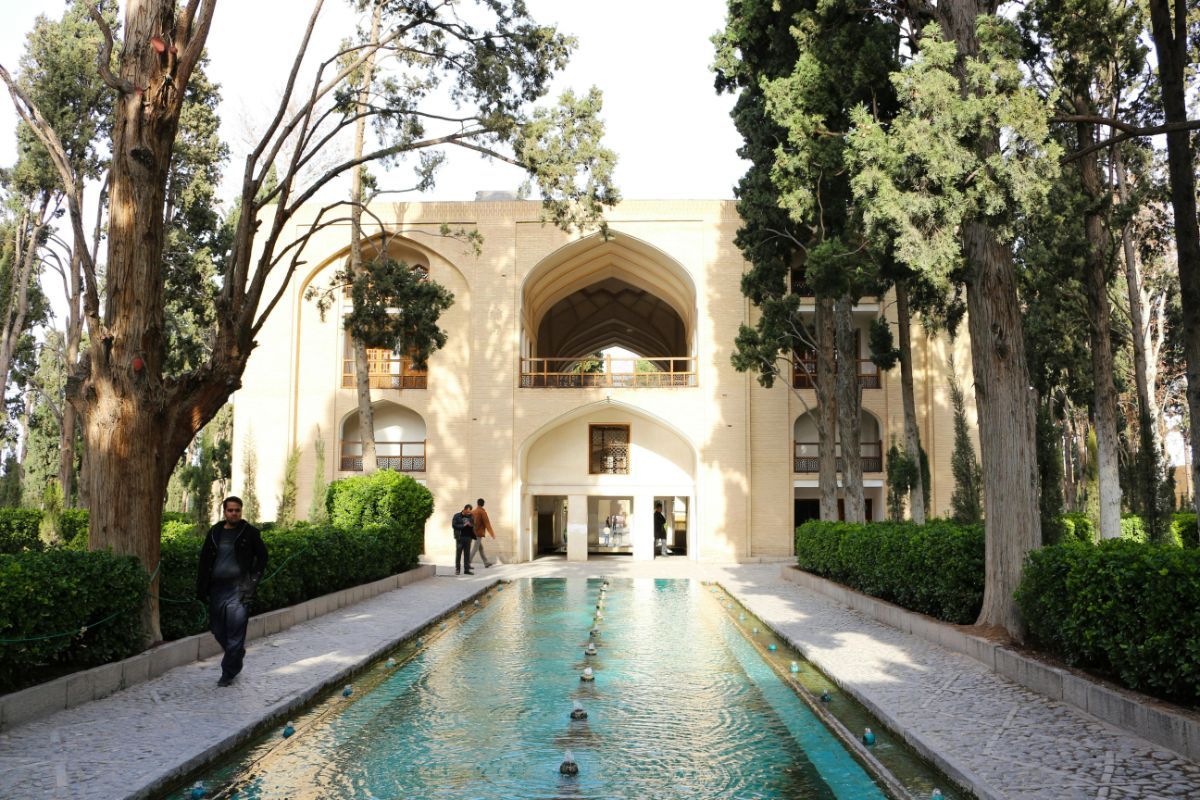
The founding concept dates back to ancient Persia. The term pairidaeza (meaning “enclosure”) is the etymological cradle of “paradise.” These gardens were a demonstration of mastery over water. The architecture rests upon the chahar bagh—a layout divided into four quadrants by perpendicular water channels, representing the four rivers of the celestial Paradise.
- The Hydraulic Manifesto: To make the desert bloom, Persians developed qanats, sophisticated underground canals. Mastering water was the ultimate symbol of a sovereign’s legitimacy.
- The Mythic Legacy: The Hanging Gardens of Babylon remain the first great vision of the garden as a monumental vertical achievement, marrying irrigation with the majesty of the Cedar.
Roman and Egyptian Practices
In Pharaonic Egypt, the garden was a portal to rebirth, where the lotus symbolized the solar cycle. In Rome, the Hortus evolved into the Horti, pleasure villas where botanical frescoes, like those of the Villa of Livia, created a permanent illusion of spring.
II. The Garden as Sanctuary: Spirituality and Knowledge
In the Far East, the garden became a replica of the cosmos. The Chinese garden seeks balance between Yin and Yang, while the Japanese Karesansui (dry garden) offers a meditation on the essence of existence through rocks and raked sand.
The Hortus Conclusus and Courtly Love
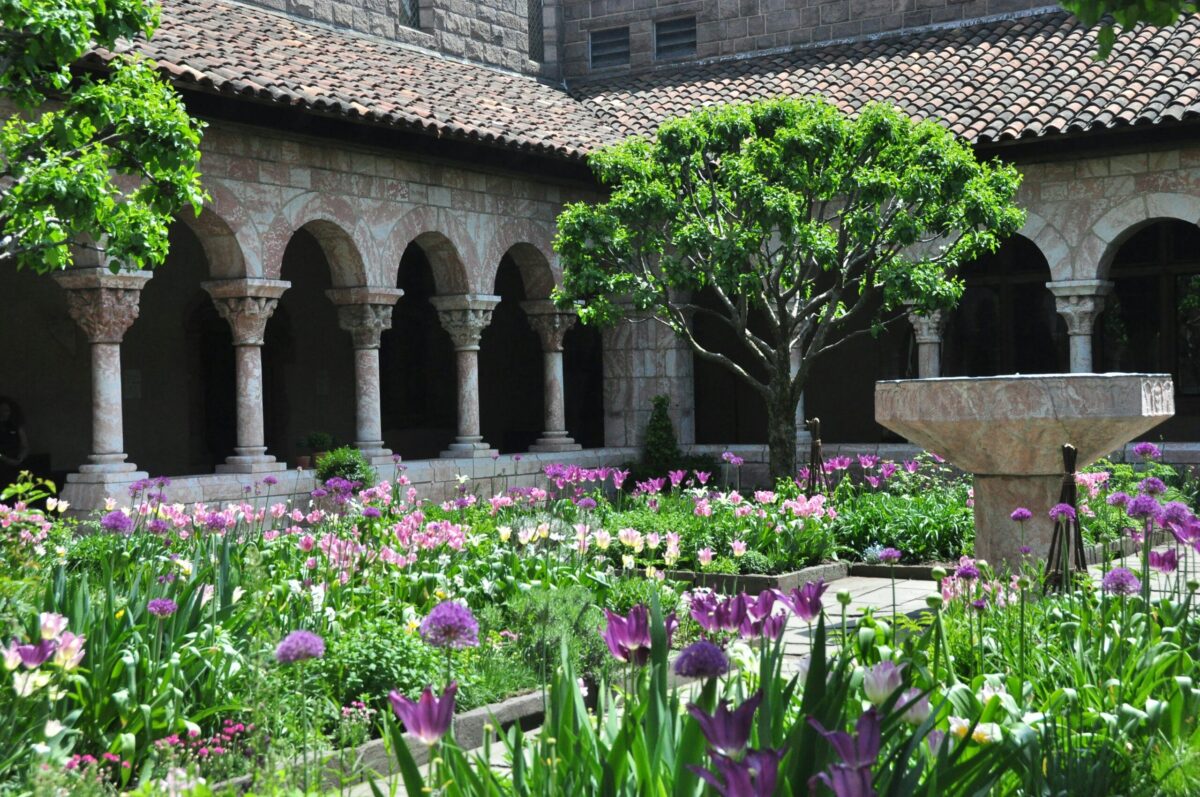
In the medieval West, the garden was a fortress of serenity. In monasteries, the Herbularius (medicinal garden) preserved the secrets of “simples.” In castles, the “garden of love” became the setting for the Romance of the Rose, where the sovereign flower symbolized both mystical and earthly conquest.
III. The Great Theater: Order, Splendor, and Botanical Wealth
Gardens of Absolute Power
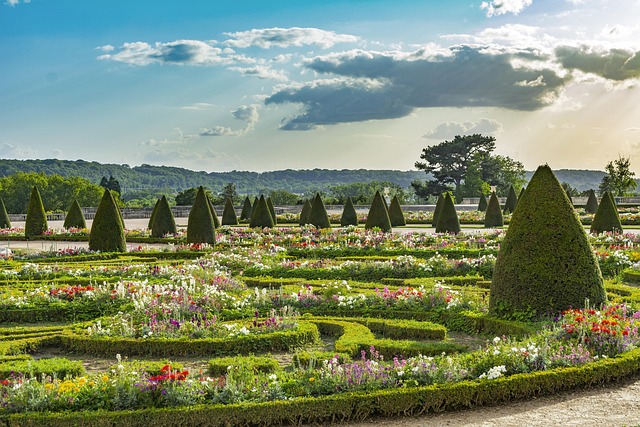
Under André Le Nôtre at Versailles, the garden became a manifesto of Reason. Geometry and symmetry tamed the wild, glorifying the Sun King’s power. This rigidity of clipped boxwood would later be challenged in the 18th century by the English garden, which, inspired by painters like Claude Lorrain, celebrated an idealized, “wild” nature and the first exotic introductions brought back by plant hunters.
IV. The Contemporary Legacy: Science, Art, and Sustainability
Today’s “Remarkable Gardens” are a synthesis of these legacies. They combine the scientific rigor of botanical research with an ecological consciousness. The contemporary garden is no longer just a display of power, but a laboratory of biodiversity, returning to the ancestral dream of a sustainable paradise.
FAQ: Curiosities of the Earthly Paradise
What is the oldest known garden style? The Persian Chahar Bagh, dating back over 2,500 years, which structured the garden around four symbolic rivers.
Why were medieval gardens always enclosed? To protect precious medicinal plants from the wild and to create a “sanctuary” space conducive to meditation and “courtly love.”
Your Articles