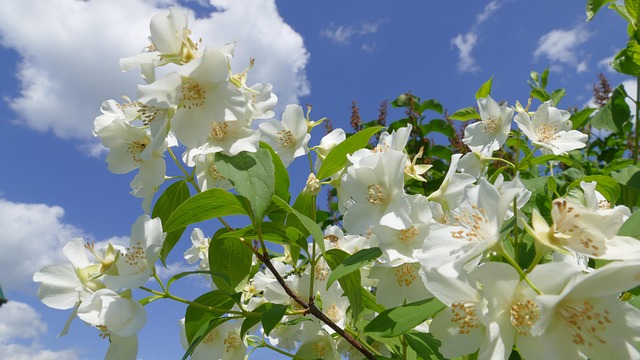
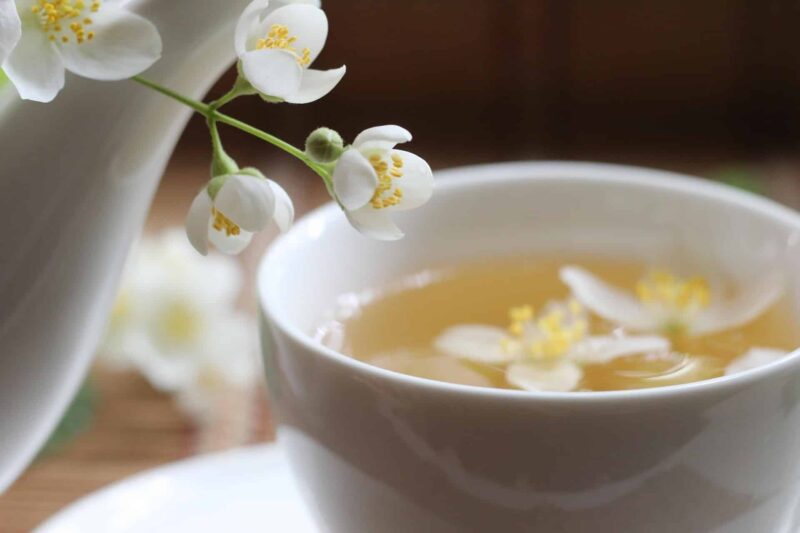
Beneath the sultry skies of Fuzhou, where the Min River slips quietly into the East China Sea, a bewitching scent rises under the pale moon: the perfume of jasmine tea. In this subtropical city, cradle of a thousand-year-old tradition, delicate white blossoms waltz with tender green tea leaves in a dance of exquisite harmony.
For centuries, Fuzhou has been the beating heart of scented tea. The jasmine infusion soothes both body and soul. Lauded by Tang-dynasty poets, it beckons you on a sensory journey where every sip conceals a love story woven between nature and culture.
What you’ll discover in this article
A Thousand-Year Tradition
The story of Fuzhou jasmine tea begins with an ancient romance between Persia and China. Brought to the Middle Kingdom during the Han dynasty (206 BCE–9 CE), jasmine flowers discovered their perfect home in Fuzhou’s warm, humid embrace.
Under the Tang dynasty (618–907), Fuzhou emerged as a jewel of tea culture, where pure white jasmine first mingled with tender young green leaves. By the Song era (960–1279), master craftsmen had refined the art of capturing the flower’s nocturnal breath, earning the city its enduring nickname: “the City of Jasmine”.
On sultry summer nights, as the blossoms open beneath the moon, their fragrance weaves itself into the tea—an alchemy a millennium in the making. During the Ming (1368–1644) and Qing (1644–1912) dynasties, this exquisite brew became imperial tribute, a mark of the highest prestige.
Though production faltered amid the Sino-Japanese War (1937–1945) and the rapid urbanisation of 1992–2006, Fuzhou jasmine tea has risen anew. In 2014, the FAO recognised its traditional agro-system as a Globally Important Agricultural Heritage System, safeguarding a living treasure for the world.
A Symbol of Hospitality and Well-Being
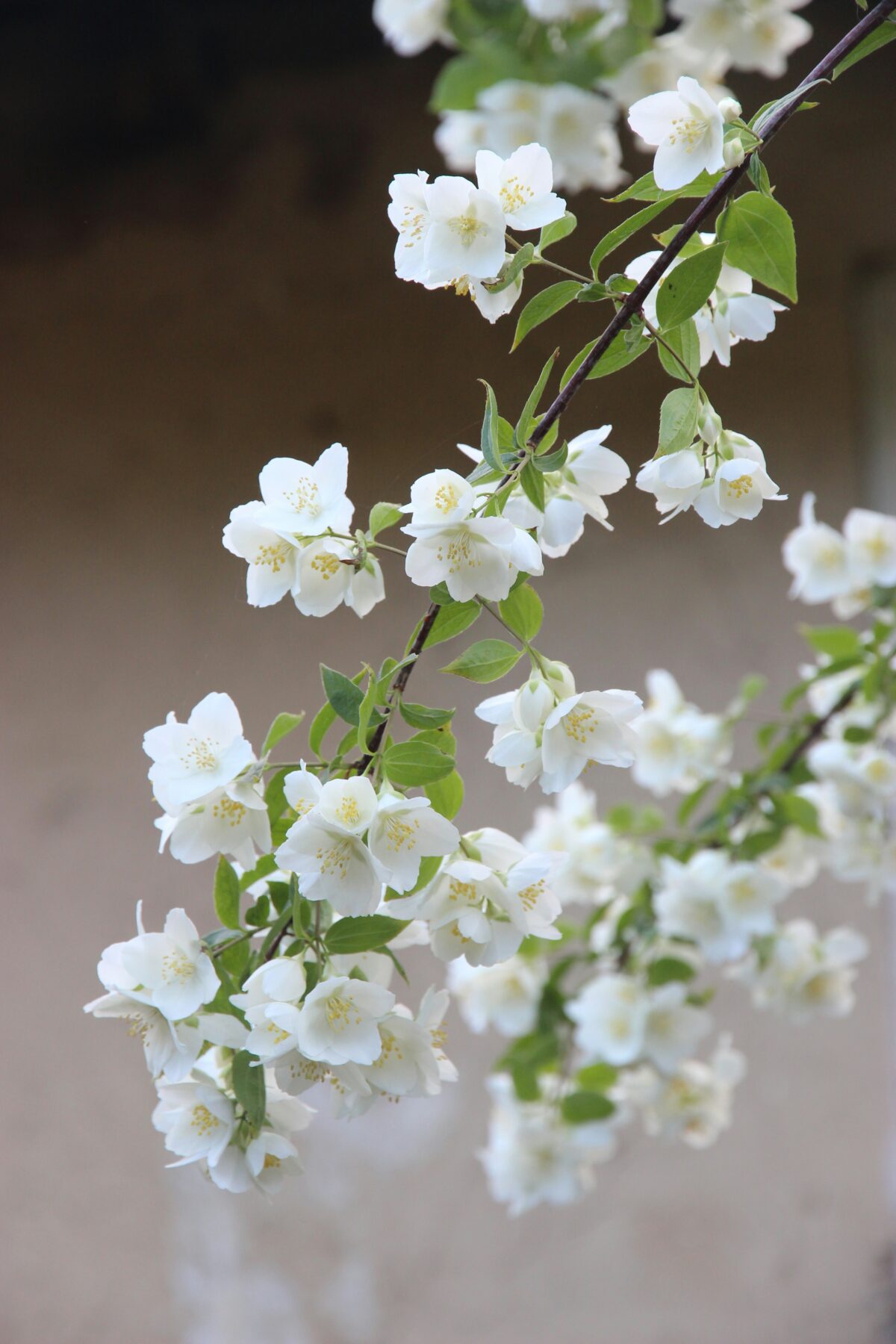
In Fuzhou, jasmine tea is far more than a drink; it is a gesture that truly matters. Offering a cup to guests is a warm, heartfelt ritual, an embodiment of the city’s legendary hospitality. In the local dialect, the same word means both “tea” and “medicine”. Its soothing, detoxifying properties have long been treasured in Chinese medicine, bringing gentle relief from the sweltering summer heat.
In the Qing dynasty, the formidable Empress Dowager Cixi elevated it to royal treasure, claiming its fragrance carried “the mystery of the gods”. As far back as the Song era, women would tuck fresh jasmine blossoms into their hair after bathing—a custom that lives on today among the baskets of street vendors weaving through the old lanes.
The Dance of Scenting
Crafting Fuzhou jasmine tea is pure poetic alchemy. In spring, tender green tea leaves are hand-picked from misty hillsides between 600 and 1,000 metres. Then, beneath August’s starlit skies, the jasmine awakens. Buds—still tightly closed—are gathered in the afternoon and gently mingled with the tea as twilight falls. Overnight, over fifteen hushed hours, the flowers unfurl, releasing their intoxicating perfume into the leaves.
For the finest teas, this intimate ritual is repeated up to seven times. Finally, every spent blossom is carefully removed and the tea dried, locking in its delicate, lingering fragrance. The rich soil and cloud-wreathed peaks of Fuzhou nurture this ancestral craft, handed down through generations like a whispered secret.
A Pillar of Economy and Culture
Jasmine tea is woven into the very soul of Fuzhou. In 2011 the city produced 110,000 tonnes of it, generating roughly 290 million USD (China Daily). That fragrance sustains countless local families and remains a quiet engine of the city’s economy. In 2014 the FAO designated the Fuzhou jasmine-and-tea agro-system a Globally Important Agricultural Heritage Site, bolstering efforts to safeguard its unique, endemic jasmine varieties.
Today, visitors flock to the plantations and scenting workshops, drawn by the living tradition. Every cup carries the heartbeat of the city—a timeless testament to its enduring craftsmanship.
Une Tradition Vivante

Today, beneath the skies of Fuzhou, jasmine tea still blossoms. Brands such as Nongfu Spring and Molly Tea (with more than 600 shops since 2020) carry its fragrance to new audiences, yet the purists remain faithful to the traditional brew and its whisper-soft aroma.
Plantation visits let you breathe in the heady perfume of summer nights, while workshops pass on the ancient art of scenting. This living heritage, like a poem by the Tang master Lu Tong, invites us to savour a cup steeped in history—a quiet moment of peace beneath the stars of Fuzhou.
A Poetic Inspiration
Jasmine tea, like a line of verse, stirs the soul. The Tang poet Lu Tong, in his celebrated Song of Tea, wrote:
“The first cup moistens my lips;
the second shatters my loneliness;
the third searches my innards and unearths five thousand scrolls…”
Those words capture the rapture of tea, a rapture made deeper still by jasmine’s mystical breath. This brew kindles reverie; each sip becomes a stanza in quiet homage to nights long past.
An Eternal Elixir
In a single cup of Fuzhou jasmine tea, a myth comes quietly alive: scented nights, Persian legends, and a craft honed over a thousand years. The soothing, spellbinding benefits of jasmine tea beckon you on a journey beneath the stars of China.
Chinese Jasmine Tea and Indian Jasmine Tea: Two Souls, Two Fragrances
In China, jasmine tea (mòlìhuā chá) is an exercise in exquisite patience: fresh petals are married to green tea leaves, then carefully removed—sometimes seven times over—so that only the ghost of their perfume lingers. The result is gossamer-light, almost ethereal, a midnight caress that soothes the spirit and makes the cup shimmer like moonlight.
In India, one rarely speaks of “jasmine tea” as such. Here, jasmine (motia or bela) reigns over sacred infusions: fresh or dried petals steeped in hot water with milk, cardamom, and occasionally a whisper of saffron, or slipped into chai for a touch of divine sweetness. In India the jasmine does not whisper—it sings boldly, warm and lavish, like the garlands laid at Krishna’s altar at dawn.
One brushes the soul with the gentlest fingertip; the other wraps it in a fervent embrace. Same flower, two utterly different ways of loving.
History does not end with this single petal…
Two paths now lie before you: one invites you to delve deeper into the soul of this bloom by exploring main arcticle, the other beckons you to broaden your horizon by discovering its kin among other floral wonders.
Explore our themes through the “Flower Collection” tab, or return to the heart of our world:
GatewayFAQ Jasmine Tea
Where does chinese jasmine tea come from?
Originating in Fuzhou (Fujian, China) over 1,000 years ago, it was perfected during the Song dynasty by scenting green tea with fresh jasmine blossoms.
How is jasmine tea produced?
Green tea leaves are hand-picked in spring, then layered in summer with fresh August jasmine buds. The scenting process is repeated up to seven times; the spent flowers are removed and the tea gently dried.
What is the cultural significance of jasmine tea in China?
It stands for hospitality and well-being. Offering a cup is a heartfelt ritual; in the local dialect “tea” and “medicine” are the same word. It is prized in Chinese medicine and carries traditions such as Song-dynasty women wearing jasmine in their hair.
What is the difference between Chinese and Indian jasmine tea?
Chinese style is airy and subtle—petals are removed, leaving only the memory of scent. Indian versions are rich and generous, steeped with milk, cardamom, saffron, or added to chai and temple offerings to Krishna.
Why is Fuzhou known as “the City of Jasmine”?
Because of its thousand-year mastery of jasmine-scented tea, refined under the Song dynasty and recognised by the FAO in 2014 as a Globally Important Agricultural Heritage System.
What are the benefits of jasmine tea?
Soothing and detoxifying, it calms both body and mind, especially in summer heat, and has long been valued in traditional Chinese medicine.
CHow has Fuzhou jasmine tea evolved in modern times?
After setbacks from war and urbanisation, production rebounded (110,000 tonnes in 2011). Brands like Nongfu Spring and Molly Tea have spread its fame, while plantation tours and scenting workshops keep the living heritage alive.