The chrysanthemum is not just a flower; it is a rebellion. While the rest of the garden surrenders to winter’s assault, this “Golden Flower”—from the Greek chrysos (gold) and anthemon (flower)—unfurls its petals with imperial defiance. But how did this plant, once the elixir of Ancient Chinese sages and the crest of Japanese Shoguns, become, in Western latitudes, the somber sentinel of our cemeteries?
Let’s dive into the mysteries of chrysanthemum symbolism: a multidisciplinary epic where botany meets world history.
The Chrysanthemum at a Glance: Between Myth and Reality
Before we get lost in the winding paths of its history, here is the essence of this flower of light:
- Millennial Roots: Cultivated in China for 2,500 years as a symbol of integrity in the face of winter.
- Imperial Seal: The Japanese Kikumon represents the throne of eternity and the perfection of the sun.
- Cultural Paradox: Its metamorphosis from an Eastern elixir of life into a melancholic guardian of memory.
- Botanical Prodigy: A photoperiodic “clock of the shadows” that only awakens as the nights grow longer.
I. Eastern Origins: From the Elixir of Life to the Chrysanthemum Throne
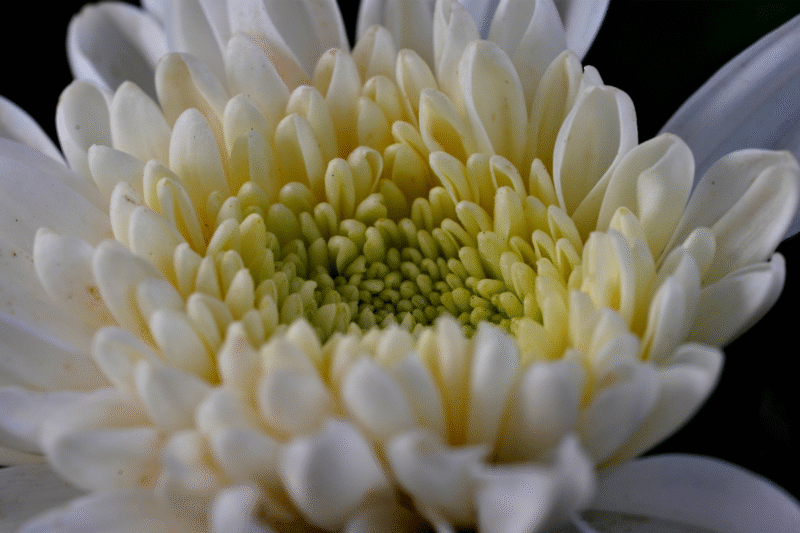
The story of the chrysanthemum begins over 2,500 years ago in the valleys of China. Far more than a mere ornament, it was revered as one of the “Four Noble Plants” (alongside the plum, the orchid, and the bamboo), representing the integrity of the scholar who does not bend to adversity.
The Alchemy of Longevity
For Taoists, the chrysanthemum was a top-tier medicinal plant. It was believed that dew collected from its petals could grant immortality. This quest for the elixir of life has spanned centuries: even today, chrysanthemum tea (Ju Hua Cha) is prized for detoxifying the liver and brightening one’s vision. In choosing this flower, Chinese sages were not seeking decoration, but a resonance with vital energy (Qi).
This cult of immortality reaches its peak during the “Double Ninth” festival: on the ninth day of the ninth lunar month, scholars would climb mountains to drink chrysanthemum wine. This bitter brew, it was said, could ward off autumn melancholy and protect the spirit from the ravages of time.
The Sacred Seal of Japan
In the 8th century, the flower crossed the sea to conquer Japan, where it underwent a political metamorphosis. The Kikumon, a stylized sixteen-petal chrysanthemum, became the official seal of the Emperor. To this day, the Japanese monarchy is referred to as the “Chrysanthemum Throne.” To the Japanese, the flower evokes the rising sun, geometric perfection, and the continuity of the imperial lineage—the complete opposite of its funereal image in the West.
II. Arrival in Europe: A Revolution of Perspective
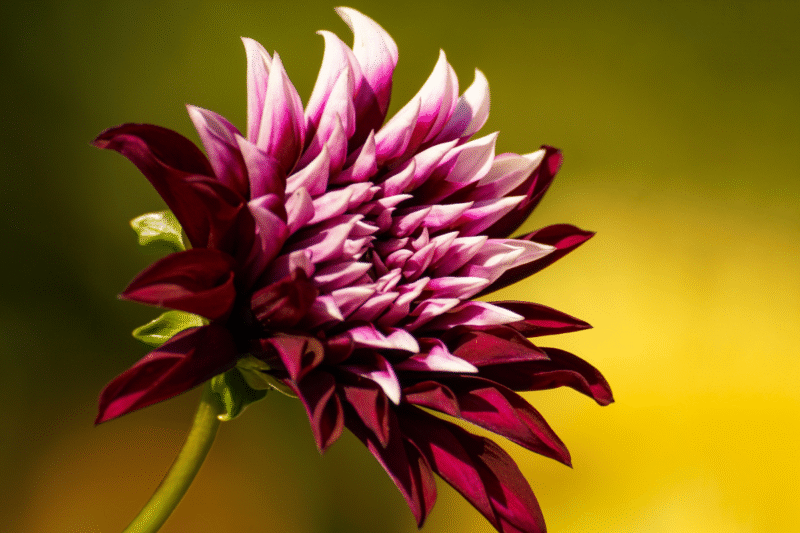
The chrysanthemum did not reach European shores until the end of the 18th century. It was a merchant captain from Marseille, Pierre Blancard, who brought the first specimens back from China in 1789.
Chrysanthemums and Japonisme
By the 19th century, Europe succumbed to the “Japonisme” craze. Art Nouveau artists, from Claude Monet to Émile Gallé, saw the chrysanthemum as a radical break from the classic rose. Its disheveled petals, “spider” forms, and “pompon” shapes fit perfectly within the flowing organic curves of the era. The flower became a symbol of modernity and refined exoticism, gracing the parlors of high society and the canvases of Impressionists—far removed from graveyard walls.
However, the conquest of Western gardens was not immediate. The chrysanthemum had to fight an “aesthetic battle” against the supremacy of the Rose. It was only through the creation of horticultural societies and its triumph in aristocratic exhibitions that it transitioned from a botanical curiosity to an icon of high society.
III. The French Paradox: Why All Saints’ Day?
This is where the history diverges. How did we move from high-society galas to the cult of the dead?
The Myth of November 11, 1918
The shift was both political and logistical. On the first anniversary of the Armistice of the Great War in 1919, the French government wished to place flowers on the graves of fallen soldiers. In November, choices were limited. The chrysanthemum is one of the rare plants that offers a spectacular bloom despite frost and rain.
What began as a national tribute to bravery gradually evolved into a family tradition for All Saints’ Day (La Toussaint). Through a semantic shift, the flower of “winter survival” became the flower of “eternal memory.”
IV. Botany and Photoperiodism: The Science of Time
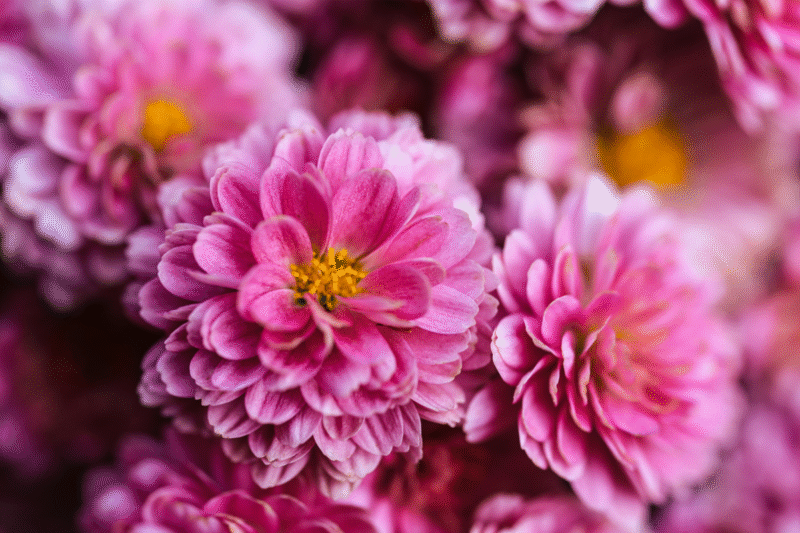
To understand the chrysanthemum, one must look at its biology. It is a “short-day” plant.
Unlike most flowers that awaken to the increasing light of spring, the chrysanthemum possesses a biological sensor that measures the duration of darkness. Only when the nights grow long enough does it trigger its flowering. This botanical feat makes it a true “clock of the shadows,” a trait that reinforces its mystic connection to the passage of time and the cycles of life.
V. A Guide to Color Symbolism
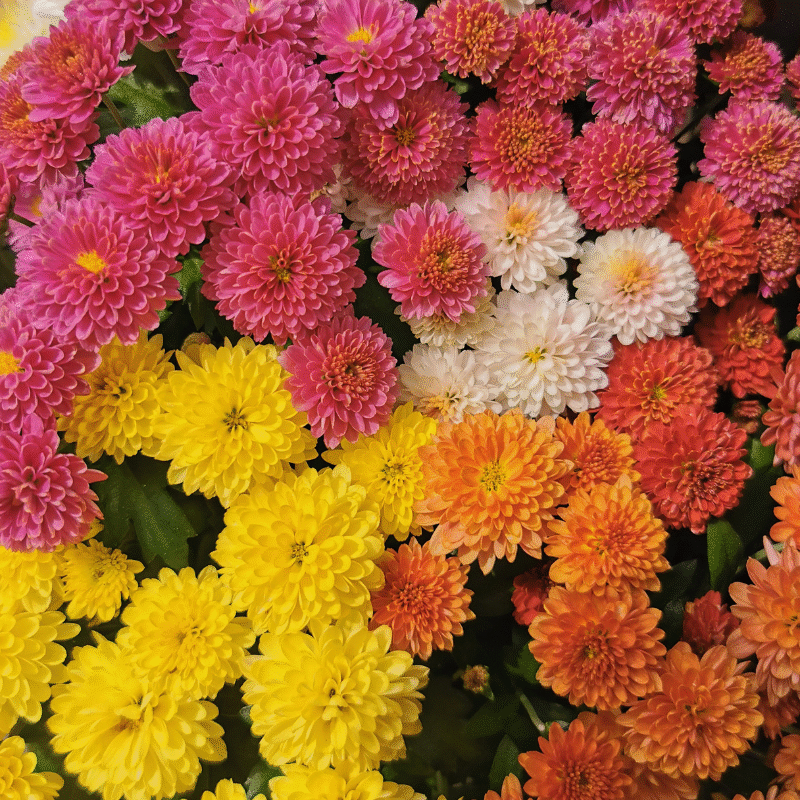
For a gardener or a poet, choosing the color of a chrysanthemum is a language in itself.
- White Chrysanthemum: Symbol of purity and absolute truth. In Asia, it is the color of mourning, representing the transition toward spiritual light.
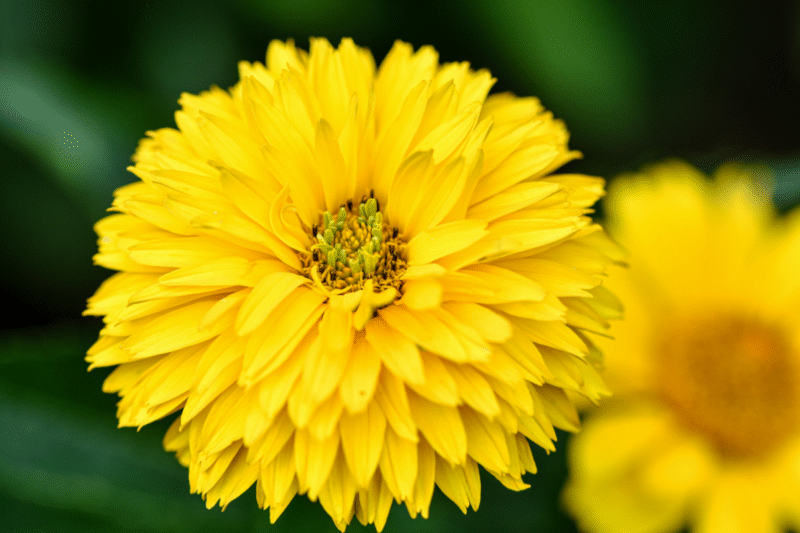
- Yellow Chrysanthemum: Embodies solar radiance and imperial power. In romantic contexts, however, it can signify a slighted or neglected feeling.
- Red Chrysanthemum: A declaration of intense but mature love, far from the fleeting passions of the rose.
- Pink Chrysanthemum: Evokes the fragility of feelings and the sweetness of friendship.
Conclusion: A Sun in the Mist
The chrysanthemum is a lesson in resilience. It reminds us that beauty is not reserved for the sunniest days and that one can shine brilliantly while the rest of the world fades. Whether you see it as a Shogun’s crest or a tribute to those who have left us, it remains the “Winter Sun” of our floral heritage.
Explore our themes through the “Flower Collection” tab, or return to the heart of our world:
GatewayThe Secrets of the Golden Flower: Answers to Your Floral Curiosities
Before diving into the twists and turns of its history, here is what you should know about this flower of light:
Is the chrysanthemum truly an edible flower?
Yes, but not the one from your local florist! In Asia, Chrysanthemum morifolium is steeped as an infusion to purify the body and “brighten one’s vision.
For your health: Always choose “food-grade” or herbalist-quality flowers that are guaranteed to be pesticide-free.
Why does it bloom when others are fading?
It is a “technician of the shadows.”
Unlike summer flowers, the chrysanthemum is photoperiodic: it counts the hours of darkness. It waits until the nights stretch longer (over 12 hours) to trigger its spectacular autumn bloom.
Where does the famous “Chrysanthemum Throne” come from?
This is the poetic name for the throne of the Emperor of Japan. There, the 16-petal flower (the Kikumon) serves as the sacred seal of the imperial lineage. It symbolizes the sun, perfection, and eternal life—a far cry from the somber associations it sometimes carries in the West.
How can we break its “cemetery flower” reputation?
Embrace diversity! To move past the “All Saints’ Day” cliché, choose spectacular varieties like the “spider” or “pompon” forms. Their modern, architectural lines and vibrant colors have made them highly prized gems in contemporary floral design.