The Eternal Serenity of the Queen of Flowers
There are beauties with timeless fragrances that command respect. The Rose, undisputed queen of gardens and emotions, is no mere flower. She is a living memory of history, each petal bearing the imprint of bygone eras: that of a Persian poet, a Roman emperor, a mystic, or a bard.
To understand why she is honored today in ceremonies and confessions, one must venture off the beaten path. This journey will explore her deepest roots, where botany intertwines with song. We shall lift the veil on the genesis of the Queen of Flowers, beginning with the scorched lands where she made her first appearance.
What the extraordinary history of the Queen of Flowers reveals:
I. 🗺️ The Dawn of the Rose: Origins and Migration (The Oriental Cradle)
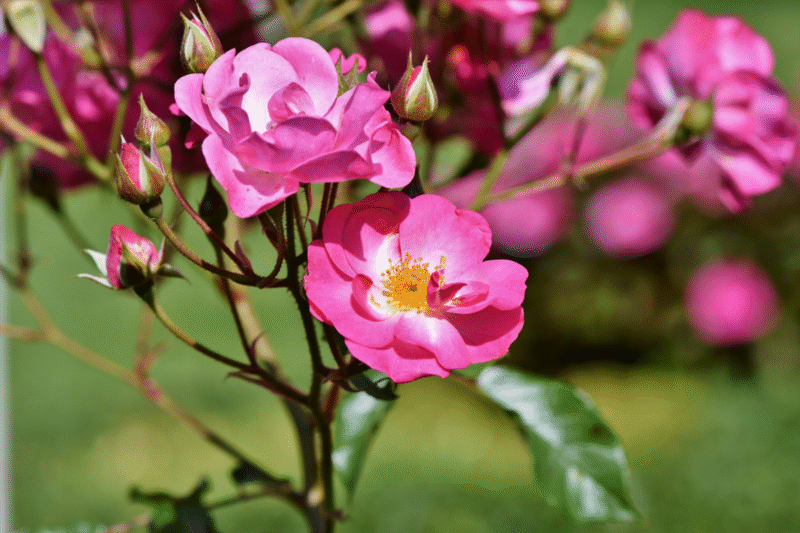
The origin of the Rose as it is known today is not solely Western; it was also written in the wadis and oases of the Old World, long before Europe discovered its beauty and poetry.
1. The Mystery of the Ancestors: Rosa Gallica and Ancient Genealogy
The history of the rose is marked by a dual origin. On one hand, the indigenous wild rose (Rosa canina, the common dog-rose) has always been present on French and European soil, alongside other European briars. On the other hand, the first documented traces of early cultivation and hybridization come from the wild roses of China and the Fertile Crescent.
The pivotal species in Europe, Rosa gallica (the French Rose), is itself a briar whose natural range extends from Southern Europe to Asia Minor. It was one of the first complex briar hybrids to be selected and cultivated in Europe (notably the famous Rose of Provins), marking the beginning of ancient hybridization between Western and Middle Eastern briar species.
The true rose revolution occurred in France and Europe at the turn of the 18th and 19th centuries, with the importation of China Roses (Rosa chinensis). These Asian roses introduced the repeat-blooming gene. Modern hybridization then consisted of systematically crossing existing European roses (primarily derived from Rosa gallica) with these Asian briars to create the tens of thousands of varieties we know today.
The greatest botanical secret perhaps lies in the Damascus Rose (Rosa x damascena), a natural or induced hybridization which, like a fragrant enigma, long left botanists in uncertainty regarding its exact parentage. It symbolizes the transition from the wild rose to refined luxury.
2. The Rose of Isfahan and the Perfume Route
In ancient Persia, the rose was not an ornament, but a spiritual necessity. Its Persian name, Gol, is so fundamental that it gave its name to rose water (Golāb). The city of Shiraz, and later the region of Isfahan, became the beating hearts of its intensive cultivation.
The Rose of Isfahan, whose exact age is lost in the mists of history, bears witness to this Oriental supremacy. To grasp the very essence of its cultivation and trade, I invite you to read our comprehensive dossier on the Rose of Isfahan. Its fragrance, finer and more resilient than others, was the object of a flourishing trade. Perfumers and apothecaries used it to create essences and preserves. To understand the visceral attachment of people to this flower, one must explore the diversity of the Persian Garden for the rose is ever-present there, from the Persian oasis to the medieval enclosed garden, an eternal guest of the landscape.”
3. The Roman Epic: The Rose, Luxury, and Decadence
It was with Roman power that the rose crossed the Mediterranean for the first time on a large scale. The Romans, eager for splendor, imported colossal quantities of roses from their colonies (Egypt, North Africa) for their banquets, processions, and baths.
The rose became, during this era, an ambivalent symbol: it represented ephemeral beauty on one hand (recalling the inconstancy of fortune), but also luxury and, at times, the decadence of emperors. This obsession with the petal eventually shaped its first strong Western symbolism.
II. ✨ The Secret and the Sacred: Mythological and Spiritual Symbolism
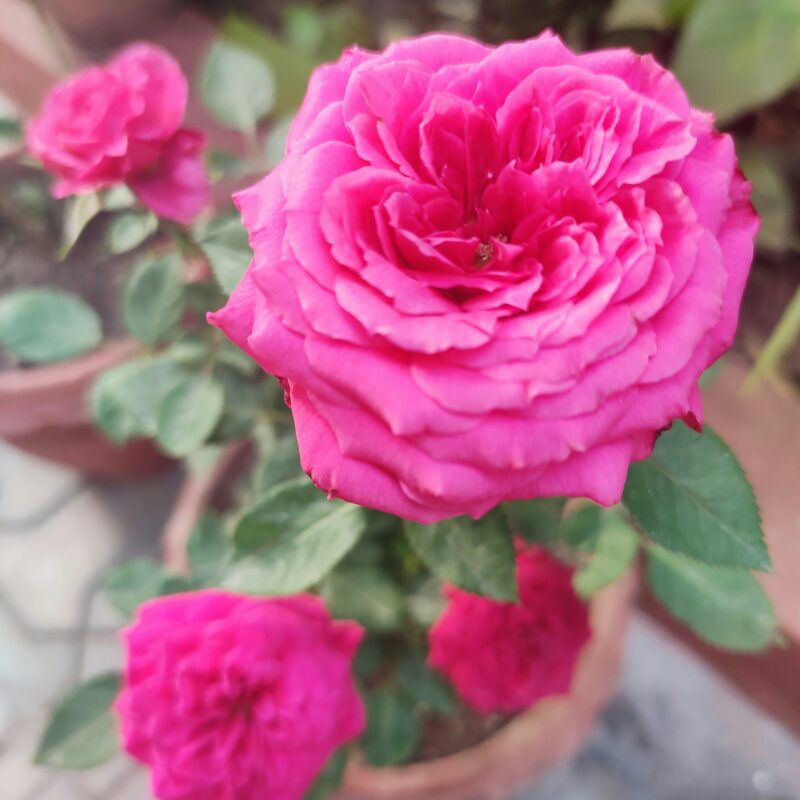
Before becoming the emblem of lovers, the rose was the messenger of the Gods and the muse of mystics.
1. The Rose and the Nightingale: Impossible Love and the Sufi Path
In the Oriental world, the Rose transcended matter to become the Absolute. The legend of Gol o Bolbol (The Rose and the Nightingale) is the heart of Persian mystical poetry in masters such as Hafez. The Nightingale (Bolbol) is the soul of the mystic, singing with a desperate love for the Rose (Gol), which is the incarnation of divine perfection or the Beloved, forever out of reach.
This painful and sublime quest finds a melancholy echo in 19th-century French poetry, in authors like Musset, who revisited the allegory of the nightingale and the rose to express the unattainable ideal.
2. The Christian Rose: From the Virgin Mary to the Rosary
Christianity, like the religions that preceded it, succeeded in integrating the symbolic power of the rose. It shifted from a pagan symbol (often associated with the goddess Venus and rebirth) to the emblem of purity.
- The White Rose: Associated with the Virgin Mary, it symbolizes innocence and joy.
- The Red Rose: Became the symbol of the blood of martyrs and, later, of charity.
The Rosary itself (chapelet) takes its name from this connection, designating a crown of spiritual roses.
3. Sub Rosa: The Rose, Guardian of Silence
A rose suspended from the ceiling of banquet halls or meeting rooms during the Middle Ages and the Renaissance meant that everything said must remain “under the rose” (Sub Rosa). This ancient custom, inherited from the Romans—where the flower was dedicated to Harpocrates (the god of silence)—is essential. It illustrates how the rose codified not only beauty but also secrecy and trust, setting the stage for its role in courtly intrigues.
III. 🔗 The Rose and the Sword: Toward Allegory and Knighthood
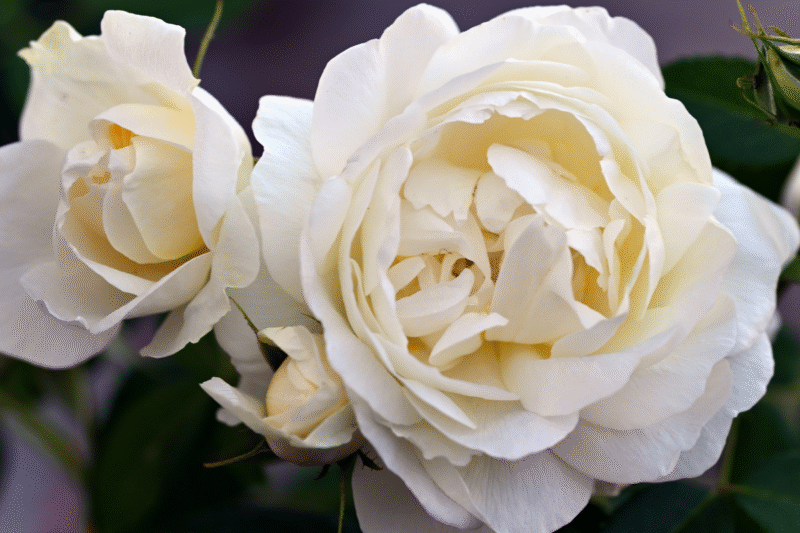
The medieval centuries saw the Rose depart from the strictly religious sphere to become a political stake, a symbol of lineage, and the object of an idealized quest. From this era would be born the great poem that would freeze the flower in the courtly imagination, making it the prize of a long and noble journey, often fraught with danger.
The Rose became the ultimate goal of an adventure, perfectly embodied by the enclosed gardens (hortus conclusus)—idealized mirrors of lordly gardens—places of verbal jousting and codified love.
The Invitation to Continue the Quest
The Rose is, ultimately, a story of layers. This journey from the Orient to the dawn of the Middle Ages is but a prelude. We have planted the first seeds of our Rose Garden, but the bloom is only just beginning. The next chapter will lead you through the secret pathways of the Roman de la Rose, that masterful allegory where the flower becomes the object of a spiritual and courtly quest, thereby laying the foundations for the Valentine’s Day tradition as we know it today.
Explore our themes through the “Flower Collection” tab, or return to the heart of our world:
GatewayFAQ: Frequently Asked Questions on the Genesis of the Rose
What is the true origin of the roses cultivated in Europe?
The article reveals that, contrary to popular belief, the ancestor of our roses is the Wild Briar (Rosa Canina), a European wildflower. The true revolution of colors and forms was subsequently the result of complex hybridizations with Asian species—a secret that this Pillar explores in great detail.
What is the Oriental symbolism of the Rose, beyond mere love?
You will learn that in Persian Sufism, the Rose (Gol) is the mirror of divine perfection, while the Nightingale (Bolbol) embodies the soul of the mystic in search of union. Discover this poetic allegory that only Persia has been able to magnify so sublimely.
Why do we say “Sub Rosa”?
This Latin expression, which we still use to denote secrecy, dates back to Roman and medieval customs. Read the Pillar to discover how the Rose became the silent token of trust and the guardian of secrets for important gatherings throughout history.