Persian gardens – masterpieces of the landscape arts – captivate the imagination with their timeless elegance and profound symbolism. Born in ancient Persia more than 2,500 years ago, these spaces are far more than mere patches of greenery: they embody a vision of paradise on earth, a silent dialogue between man, nature, and the divine.
This article delves into their history, distinctive features, iconic layout, and enduring legacy, inviting you on an immersive journey into a world where harmony reigns supreme.
A History Spanning Millennia: The Origins of Persian Gardens
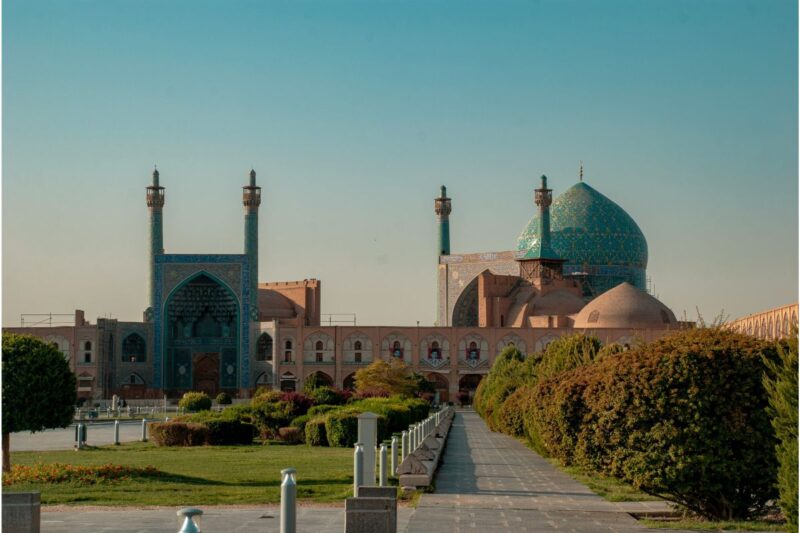
The story of Persian gardens begins under the Achaemenid Empire (550–330 BCE) in what is now Iran. The Old Persian term pairidaēza – meaning “enclosed space” – gave us the very word “paradise”. These gardens were conceived as lush sanctuaries amid often arid landscapes, embodying cosmic order and earthly abundance.
The garden of Pasargadae, laid out by Cyrus the Great, stands as one of the earliest surviving examples. With its carefully engineered irrigation channels and precise geometry, it bears witness to Persian ingenuity in triumphing over a harsh climate.
Over the centuries, through the Sassanian era and into the Islamic period, Persian gardens evolved, weaving together Zoroastrian and Islamic influences. They became havens of contemplation, poetry, and celebration – places immortalised in the verses of poets such as Hafez and Saadi.
The Layout of Persian Gardens: The Art of the Chahar Bagh
Plan typique d’un jardin persan (Chahar Bagh)
Un jardin persan classique suit le modèle du chahar bagh, divisé en quatre quadrants symétriques par des canaux d’eau convergeant vers un bassin central. Les allées bordées de cyprès mènent à un pavillon orné, entouré de parterres fleuris.
          [ Mur extérieur ]
          ----------------
          |      |      |
          |  Q1  |  Q2  |
          |------o------|  <- Pavillon central
          |      |      |
          |  Q3  |  Q4  |
          ----------------
          [ Mur extérieur ]
* Canaux d’eau : Axes horizontaux et verticaux
* Bassin : Centre (o)
* Q1-Q4 : Quadrants avec arbres et fleurs
At the very heart of Persian garden identity lies the design known as chahar bagh – literally “four gardens”. This architectural archetype divides the space into four equal quadrants, separated by water channels or paved walkways that meet at a central point, most often marked by a shimmering pool or an elegant pavilion. More than mere geometry, the chahar bagh embodies a profound cosmological vision: its four sections represent the four elements (earth, air, fire, and water) or the four rivers of paradise described in sacred scripture.
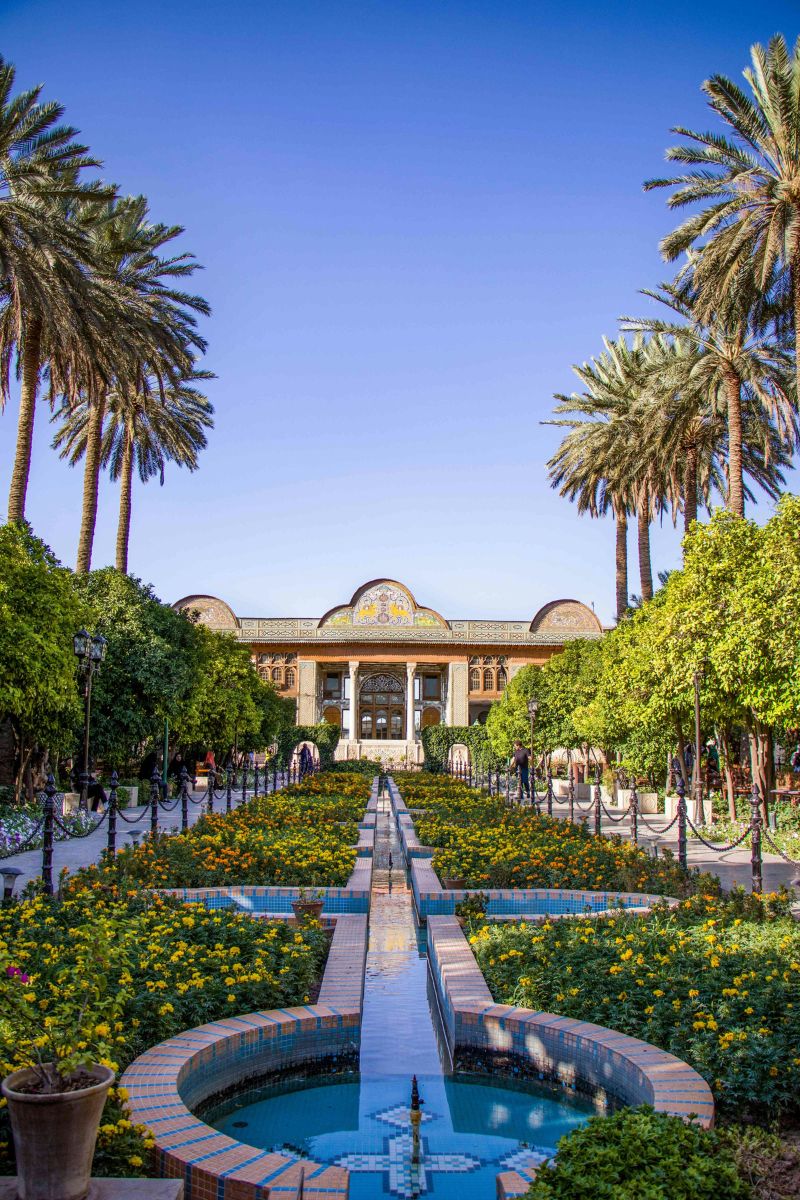
- Geometric Structure: The chahar bagh is governed by rigorous symmetry. The quadrants are typically square or rectangular, defined by water channels flanked by tall cypresses or plane trees. This disciplined layout stands in striking contrast to the surrounding aridity, heightening the garden’s dramatic, almost miraculous presence.
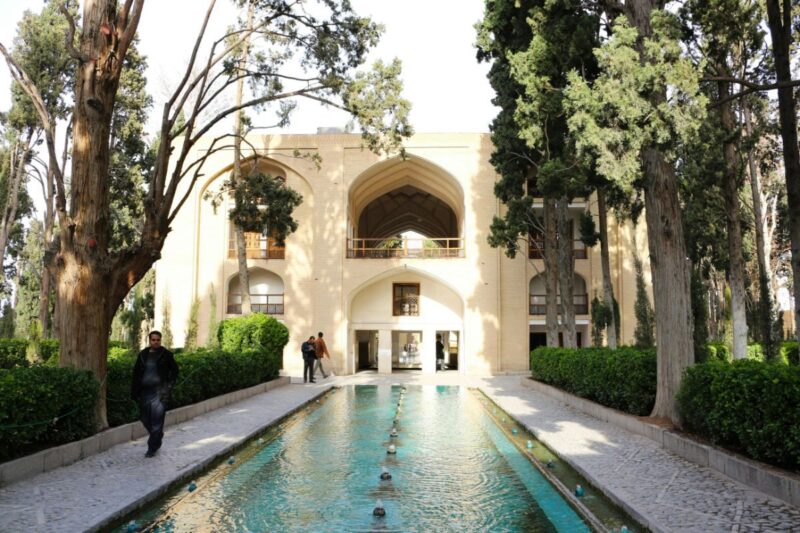
- The Role of Water: Water is the lifeblood of the garden. Fed by underground qanats – those remarkable subterranean aqueducts – the narrow canals carry life-giving flow to every corner before converging at a central basin. This still, mirror-like pool reflects the vast Persian sky, turning the heavens themselves into part of the composition and inviting quiet contemplation.
- Pavilions and Walkways: Shaded avenues draw the eye towards a central pavilion, a place for receptions, conversation, or simple repose. Adorned with intricate tilework, delicate stucco, or flowing calligraphy, the pavilion forms an exquisite bridge between architecture and the natural world.
- While the chahar bagh remains the quintessential model, many Persian gardens adapt the principle to the lie of the land or the wishes of their creators. Terraced hillsides, irregular plots, or royal whims might soften the strict geometry, yet the underlying spirit of balance and symmetry endures.
This design – at once practical and profoundly symbolic – left an indelible mark far beyond Persia’s borders, shaping the great Mughal gardens of India and the hushed, fountain-centred courtyards of Andalusia.
The Hallmarks of Persian Gardens: A Harmony of Sight and Spirit
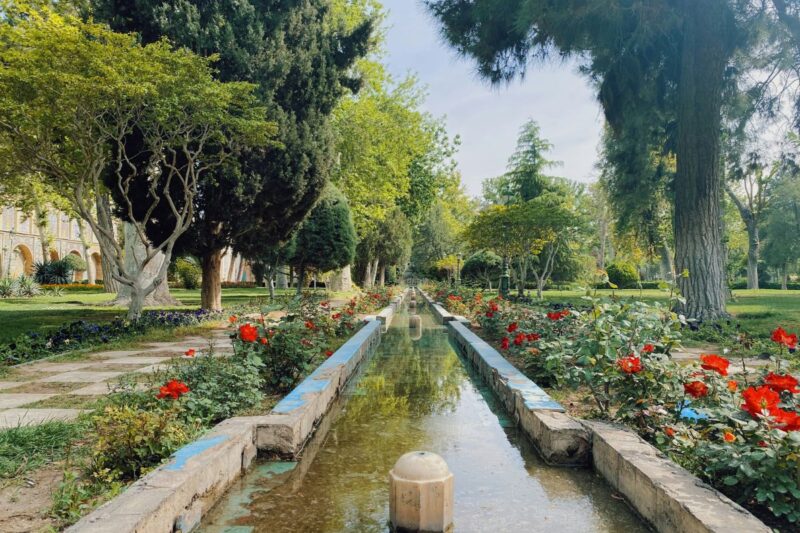
Persian gardens are distinguished by several key elements that together create a uniquely sensory experience:
- Water, the Vital Element: In an arid land, water is nothing less than sacred. Ingenious qanats channel precious moisture from distant mountains into a delicate web of rills, fountains, and still basins. The gentle murmur and ever-shifting reflections do more than cool the air: they soothe the soul, embodying purity, renewal, and the very gift of life.
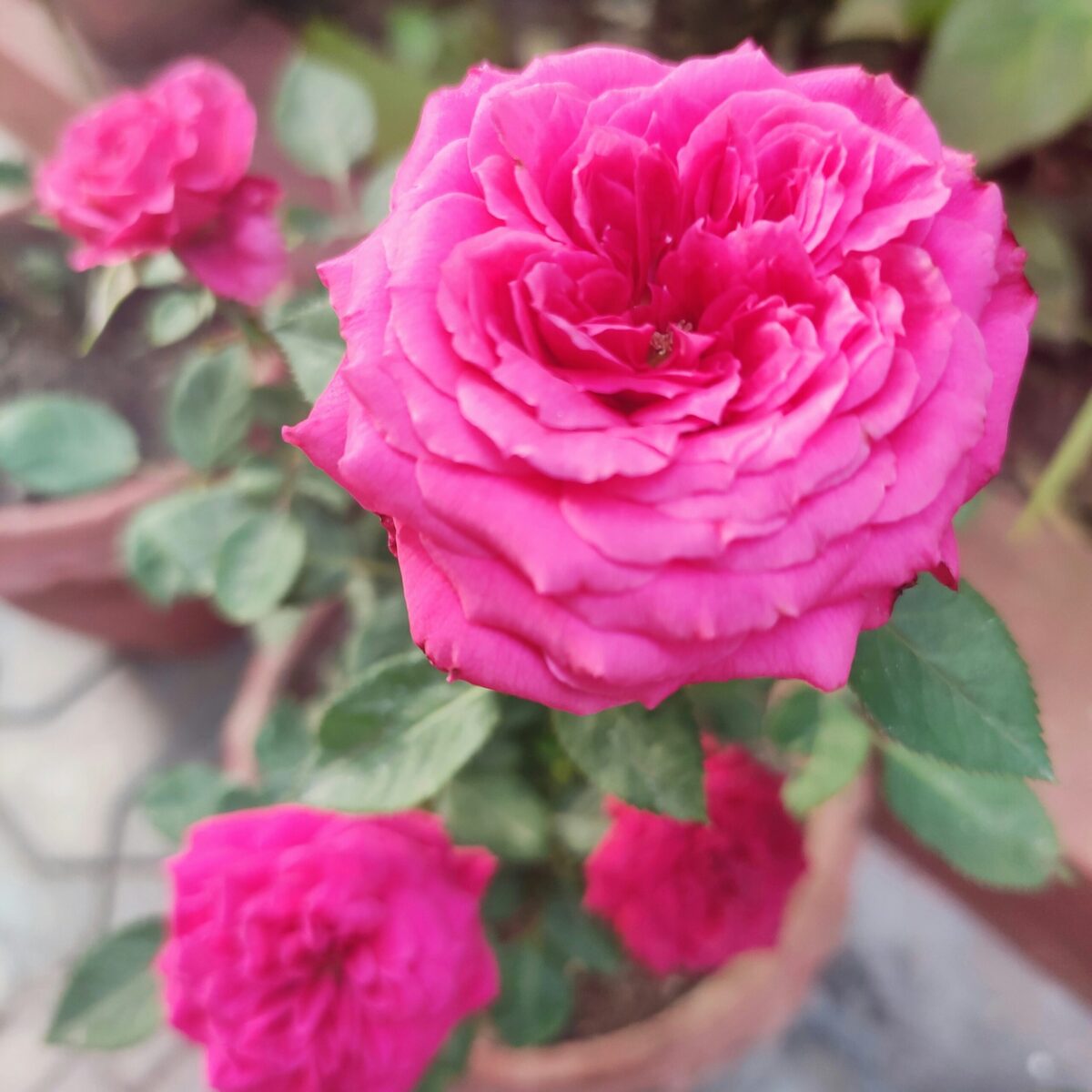
- A Symbolic Flora: Persian gardens favour fruit-bearing trees – pomegranate, orange, and fig – alongside an exquisite array of flowers: roses, jasmine, and tulips. Nothing is chosen at random. The rose speaks of divine and earthly love; the slender cypress reaches skyward as a reminder of eternity; the pomegranate, bursting with seeds, promises abundance and rebirth. This living lexicon of plants mirrors the metaphors of Persian poetry, where every leaf and petal becomes a verse about the human soul.
- Ornate Pavilions: Light, airy pavilions rise like jewels at the garden’s heart or along its shaded axes. Adorned with dazzling tilework, delicate stucco, and flowing calligraphy, they serve as places of rest, conversation, and celebration. Here, architecture and nature are no longer separate realms; they weave together into a single, breathtaking expression of Persian culture and spirituality.
The Symbolism of Persian Gardens: A Paradise on Earth
Persian gardens are far more than aesthetic spaces: they embody a profound spiritual vision. In the Zoroastrian tradition, later enriched by Islamic belief, they represent paradise itself – a realm of eternal harmony. The chahar bagh evokes the four rivers of the Garden of Eden, while water stands as the eternal symbol of purification and life. Persian poets have long likened these gardens to the human soul: enclosed gardens where divine and earthly love meet in perfect union.
This symbolism radiated far beyond Persia. The Mughal gardens, such as those enveloping the Taj Mahal, and the resplendent gardens of the Alhambra in Spain, all draw direct inspiration from the Persian model – adapting its timeless principles to their own landscapes and cultures.
Famous Persian Gardens: Treasures to Discover
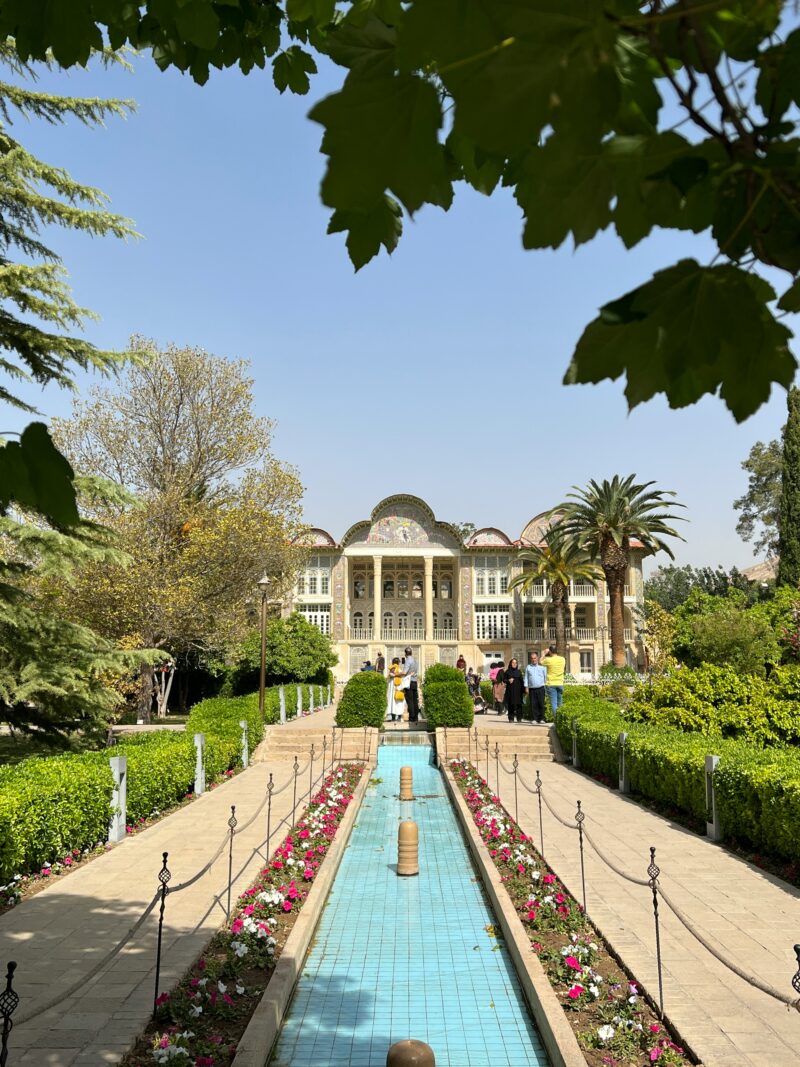
Several Persian gardens, inscribed on the UNESCO World Heritage List, bear witness to this unique art:
- Bagh-e Fin (Kashan, Iran): Created in the 16th century under the Safavid dynasty, this garden is a masterpiece of balance, with its flowing canals, orange groves, and elegant central pavilion.
- Bagh-e Eram (Shiraz, Iran): Known as the “Garden of Paradise”, it marries graceful Qajar architecture with lush vegetation, dominated by soaring cypresses and fragrant roses.
- Pasargadae (Iran): This Achaemenid garden, though now partly in ruins, reveals the antiquity of the Persian model, its stone-lined canals still clearly visible.
These gardens draw visitors from across the globe, captivated by their timeless beauty and storied past.
A Lasting Legacy: Persian Gardens in the Modern World
The heritage of Persian gardens extends far beyond Iran’s borders. Their layout and aesthetic have inspired Mughal gardens, Andalusian courtyards, and even certain European designs. Today, landscape architects draw upon them to craft sustainable spaces, particularly in arid climates. The qanats and water-thrifty principles offer invaluable ecological solutions to our pressing climate challenges.
How to Create a Persian Garden at Home
Dreaming of your own slice of Persia? Here are some ideas:
- Embrace symmetry: Divide your space into quadrants using paths or borders.
- Incorporate water: A simple pool or small fountain captures the very soul of the chahar bagh.
- Choose symbolic plants: Plant roses, jasmine, or pomegranates for that authentic touch.
- Add a shaded retreat: A pergola or kiosk makes the perfect focal point.
An Invitation to Harmony
Persian gardens are a celebration of beauty, balance, and spirituality. Their iconic layout, ingenious use of water, and profound symbolism make them unique spaces where history and nature intertwine. In exploring these gardens, one uncovers a fascinating cultural heritage and timeless lessons for a more sustainable world. Whether you are a history enthusiast, a gardener, or a lover of poetry, Persian gardens invite you to pause and contemplate the harmony of creation.
History does not end with this single petal…
A new path now unfolds before you: continue your journey by exploring the destinies of other blossoms that have shaped our world.
Explore our themes through the "Flower Collection" tab, or return to the heart of our world:
GatewayFAQ – Everything You Need to Know About Persian Gardens and the Persian Paradise
What is a Persian garden and where does it come from?
- Persian gardens (or Iranian gardens) have existed for over 2,500 years.
- Their origins date back to the Achaemenid Empire (550–330 BCE), with the garden of Pasargadae created by Cyrus the Great.
- The Persian word pairidaēza (“protected enclosure”) gave us the very word “paradise”.What is the basic principle of a Persian garden?
- The chahar bagh (“four gardens”): the space is divided into four parts by two perpendicular axes
- Water channels cross at the centre
- A central pavilion or pool marks the garden’s heart
- This layout symbolises the four elements and the four rivers of paradise.What elements are always found in a Persian garden?
- Flowing water (channels, fountains, pools)
- Cypresses (symbol of eternity)
- Roses and fruit trees (pomegranates, figs, vines)
- Shaded walkways
- Central pavilion or kiosk
- Low walls and gateways to evoke the paradisiacal enclosure
- Qanat irrigation system (underground channels)What is the symbolism of Persian gardens?
- Representation of paradise on earth (the Garden of Eden)
- Water = purification and life
- The four quadrants = the four elements (water, air, earth, fire)
- Places of meditation, poetry, and love (ever-present in Persian literature)What are the finest surviving examples?
- Bagh-e Fin – Kashan (16th century)
- Bagh-e Eram – Shiraz (UNESCO-listed)
- Garden of Pasargadae – the oldest Achaemenid site
- Mahaan-e Chehel Sotoun – Isfahan
- Garden of the Golestan Palace – TehranHave Persian gardens influenced other cultures?
Yes, profoundly:
- Mughal gardens in India → Taj Mahal (Agra), Shalimar Bagh (Lahore)
- Andalusian gardens in Spain → Alhambra of Granada, Generalife
- Islamic gardens in the Maghreb and Central Asia