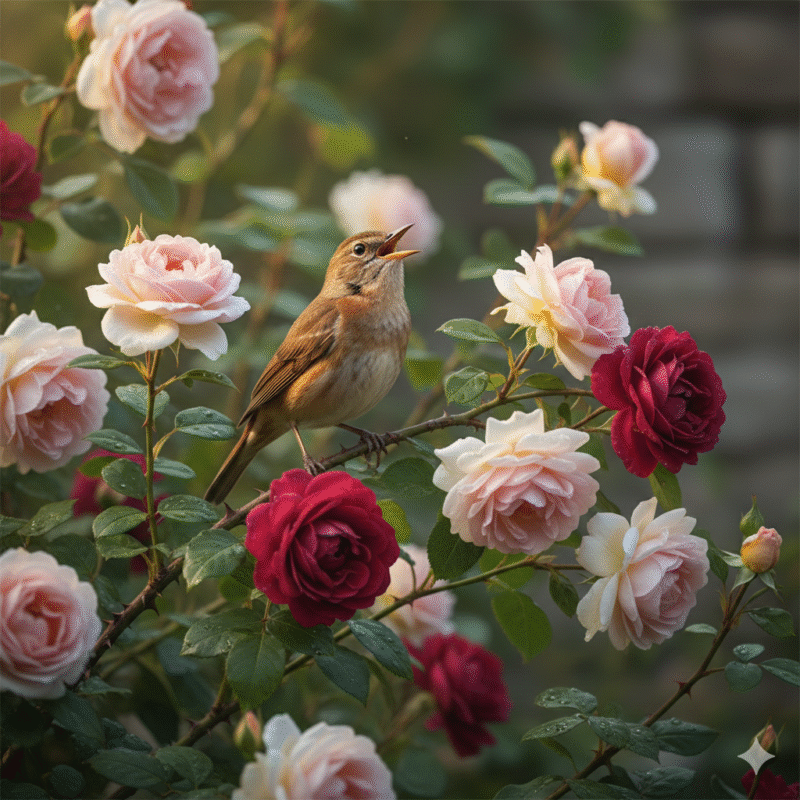
The Rose of Isfahan, the cornerstone of our floral collection and the nightingale, its eternal suitor, form a legendary duo in poetry. From medieval Persia to the Parnassian salons of 19th-century France, this symbolic pair has traversed cultures, embodying love, beauty, and the spiritual quest. In Persian ghazals, particularly those of Hafez, the rose (gol) and the nightingale (bolbol) weave a mystical dance of love, where the flower represents divine perfection and the bird its distraught adorer. In France, Leconte de Lisle, in his poem “The Rose of Isfahan,” draws inspiration from this tradition to celebrate the rose in Parnassian language, both precise and sensual. This article explores how the Rose of Isfahan and the nightingale unite East and West through poetry.
The Essence of the Narrative: What the Petals Tell Us
- An Eternal Alliance: Understanding why the bird and the flower are inseparable in the Oriental imagination.
- The Sacrifice of the Song: The symbolism of shed blood and the metamorphosis of the white rose into a red rose.
- The Art of the Miniature: How court painters immortalized this dramatic tension.
- Western Resonances: The migration of this motif toward Romantic European literature.
The rose and the nightingale in Persian poetry
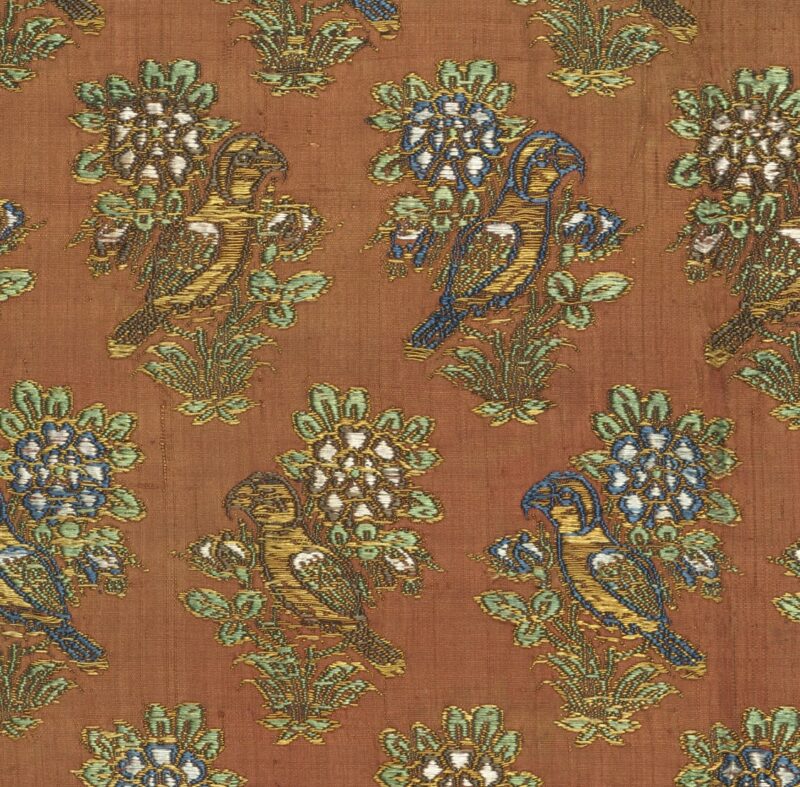
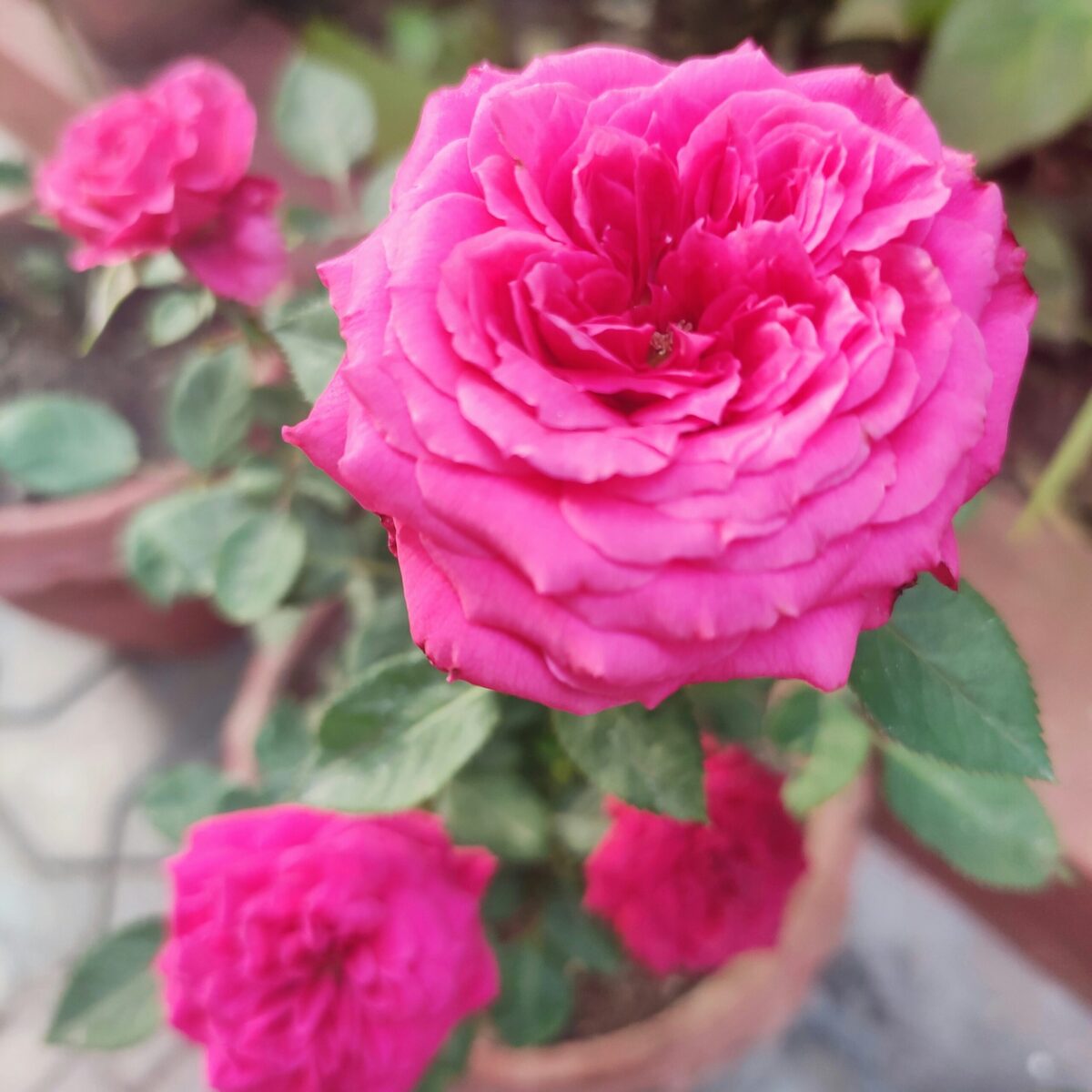
In Persian poetry, the motif of the gol o bolbol (rose and nightingale) is at the heart of the lyrical tradition, particularly in the ghazals of Hafez (14th century), a master of Sufi poetry. The rose, often the Rose of Isfahan (Rosa damascena) which we explore in depth in our article en the Rose of Isfahan, symbolizes divine beauty—inaccessible and perfect. The nightingale, with its melodious song, embodies the human soul or the lover, burning with an unrequited love for this beauty. In Hafez’s verses, as in his famous ghazal “The Dawn,” the nightingale sings for the rose at daybreak, in a garden where the breeze and the petals intertwine.
This poetic dialogue transcends the carnal: the rose becomes a metaphor for God, and the nightingale, that of the faithful seeking spiritual union. The gardens of Isfahan, with their chahar baghs (four-part gardens), serve as the setting for this poetry. You can discover more about these landscapes in our Gardens of the World category, where we explore the beauty of Persian gardens The Rose of Isfahan, cultivated in the Kashan region, is more than just a flower: it is a cultural emblem, distilled into rose water for rituals and perfumes. Hafez uses this imagery to evoke the fleeting nature of life and the permanence of divine beauty. The nightingale, in its sorrowful song, expresses the paradox of love: an ardent desire for a rose that remains indifferent. To learn more about these gardens, explore Gardens of the World: “Persian Gardens: Oasis of the Rose of Isfahan.”
Leconte de Lisle and “The Rose of Isfahan”
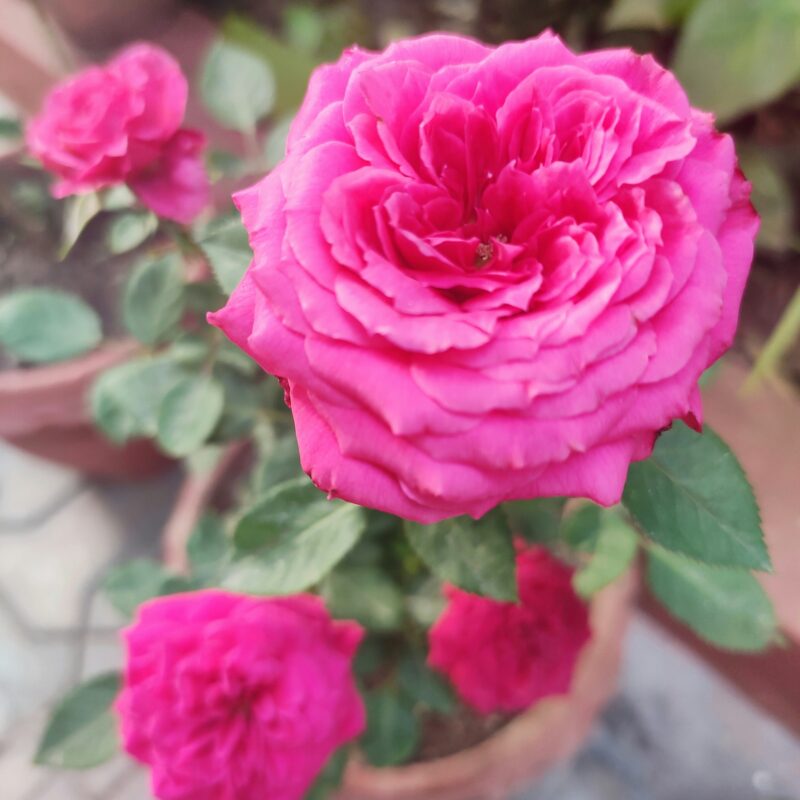
In the 19th century, Charles-Marie Leconte de Lisle, leader of the Parnassian movement, seized upon the Persian motif in his poem “The Rose of Isfahan,” published in Poèmes barbares (1862). Faithful to the Parnassian aesthetic, which favors rigorous form and objectivity, Leconte de Lisle paints the Rose of Isfahan as a sensual and timeless figure. In his poem, the rose, “queen of flowers,” blooms in an Oriental garden under the gaze of the nightingale, whose song “weeps with love.” Unlike in Hafez, where the rose is a divine allegory, Leconte de Lisle describes it with an almost plastic precision, celebrating its physical beauty: “Your golden chalice / Where the dew pearls.”
Yet, the Persian influence is evident. The nightingale, as in the ghazals, embodies an ardent desire, but Leconte de Lisle adds a tragic touch, typical of the Parnasse, where nature remains indifferent to human passion. This poem reflects the 19th-century Orientalism where French poets, fascinated by Asia, reinterpreted its motifs. Leconte de Lisle drew inspiration from the translations of Persian poets available at the time to weave a bridge between the mystical East and the contemplative West.
Bridges Between East and West
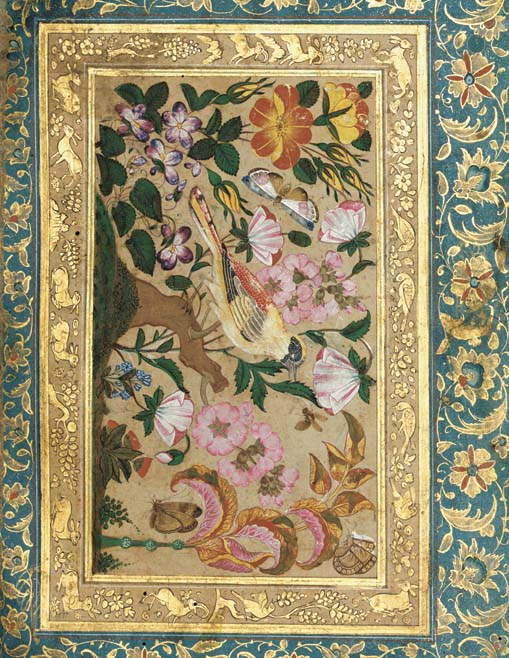
The motif of the rose and the nightingale, though rooted in Persian poetry, finds a universal echo in the work of Leconte de Lisle. In Hafez, the Rose of Isfahan is a spiritual metaphor, where the nightingale’s love reflects the Sufi quest for divine union. In Leconte de Lisle, the rose becomes an aesthetic celebration, where form and sensuality prevail, yet the nightingale retains its role as a melancholy lover.
This convergence illustrates how the Rose of Isfahan, cultivated in Persian gardens and imported to Europe, becomes a transcultural symbol. Both poets share a fascination for the ephemeral beauty of the rose, a reflection of human life. Hafez sees a spiritual lesson; Leconte de Lisle, a formal perfection. These visions meet in the image of the nightingale, whose song unites cultures across the centuries. This poetic dialogue shows how a flower can transcend borders, linking Isfahan to Paris.
Conclusion
The Rose of Isfahan and the nightingale, from the gol o bolbol of Hafez to “The Rose of Isfahan” by Leconte de Lisle, embody a poetic dialogue between East and West. In Persian ghazals, the rose symbolizes divine beauty, and the nightingale, the soul in search of the absolute. In Parnassian poetry, the rose becomes a work of art, and the nightingale, a tragic suitor. These visions, though distinct, reveal the universal power of the Rose of Isfahan—a flower that unites cultures through its petals and its fragrance.
Explore our themes through the “Flower Collection” tab, or return to the heart of our world:
GatewayEchoes of the Garden: The Secrets of the Rose and the Nightingale
What is the significance of the nightingale in the language of flowers?
The nightingale represents the passionate and persevering lover, while the rose embodies perfect beauty, though often cruel or indifferent through its silence.
Where does the legend of the red rose and the nightingale come from?
It draws its roots from Sufi mysticism, where the bird’s melancholy song against the thorn of the rose symbolizes the soul’s yearning to unite with the divine.
How is this motif used in decorative art?
It is primarily found in Persian illumination, Iznik ceramics, and Tabriz carpets, often symbolizing an earthly paradise rediscovered.