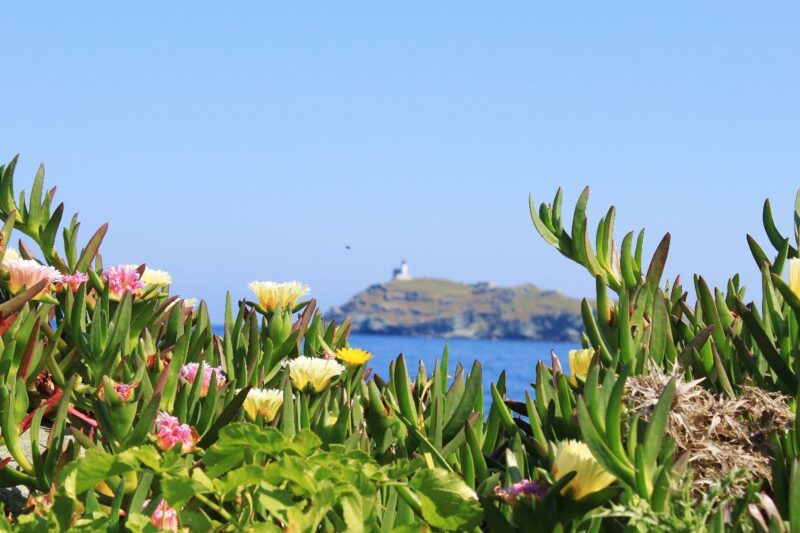
Under the blazing Corsican sun, the maquis is traversed by rocky paths, lined with thyme, immortelle, and myrtle, exhaling enchanting fragrances into the air. These flowers, discreet yet powerful, do not merely delight the senses: they are tasted, savored, carrying within them the soul of an island fiercely protective of its identity.
In this wild setting, every petal is a page of history, a link between the land and the table, between legend and the plate. Welcome to Corsica, where the flowers of the maquis are edible poetry. In the maquis, the line is thin: what we often call Corsican maquis herbs (like nepita or immortelle) also offer us wild flowers with unsuspected flavors.
What you will discover in this article
The Maquis, Guardian of Corsican Traditions
The maquis is the beating heart of Corsica, an ecosystem where every plant is anchored in the memory of its people. Since antiquity, its flowers have nourished, healed, and enchanted the body and heart of mankind.
The shepherds, legendary figures of the island, would pick thyme to flavor their frugal meals, while myrtle, offered as a liqueur to family and friends, sealed their friendships. Immortelle, with its golden flowers that never fade, was burned during funeral vigils to purify the air—an ancestral rite.
It is said that even Napoleon praised the scent of immortelle, a memory of his native island. These plants, anchored in the rocky soil, are also symbols of resistance: fugitives of the maquis, hiding under the strawberry trees, found refuge and food there. Today, Corsican cooks perpetuate this heritage, weaving these gustatory memories into culinary secrets.
Flowers of the Maquis: A Few Petals with a Soul
In the maquis, we do not draw up a catalog: we listen to the stories the flowers whisper to one another when the wind rises.
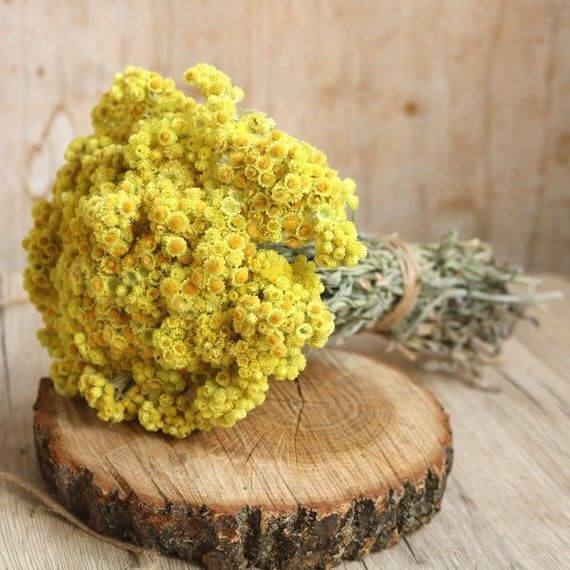
Take immortelle, for example. The elders used to say it never died, even when picked. They say it takes a ton of these little golden suns to make a single liter of essential oil—Corsican patience in a bottle. Shepherds used to slip it into their goat stews when the meat was tough; today, some chefs infuse it into the olive oil that finishes a grilled sea bream. Taste it as an infusion: it smells of distant curry and gets your stomach back on track after too much figatellu.
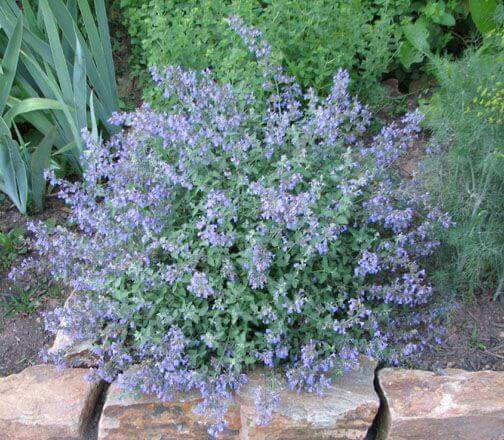
Next to it, nepita acts like a cheeky rebel. This little mint that isn’t really a mint (it leans more toward oregano with a refreshing kick in the back of the throat) grows in wild clumps. A grandmother from Sartène swore to me that she always put a handful in her “day-after” tea “because it sets your head straight without giving you a lecture.” As for the chefs, they chop it fresh over lamb just out of the wood-fired oven. A single sprig and the whole dish starts singing of the Corsican summer.
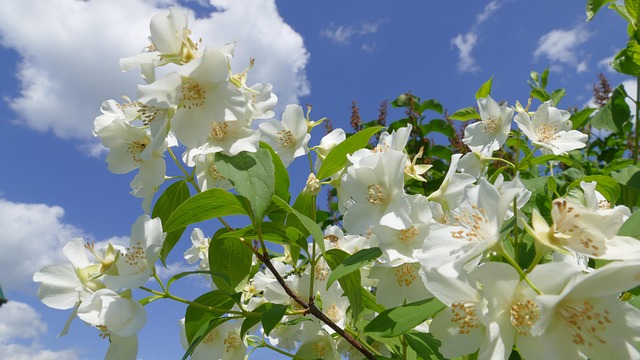
Myrtle is silent hospitality. You never “offer a drink”: you place the bottle on the table and pour without a word. The delicate white flowers sometimes end up on a fiadone or in a crème renversée. As for the berries, the outlaws of the past gorged on them while sleeping under the strawberry trees. Myrtle jam on fresh brocciu cheese is the essence of Corsican modesty melting in your mouth.
Corsican thyme—erba barona, the “baron’s herb”—has earned its nickname: it grows where nothing else dares and perfumes the air from ten meters away. Shepherds always kept a sprig in their pocket as a kind of survival salt. A pinch on some sheep’s milk tomme and you understand why they say Corsica smells wonderful, even from afar.
And then there is butterfly lavender (Lavandula stoechas), the one with spikes that look like little purple rabbits. The Romans used it for perfume; Corsican bees use it to make a dark, resinous honey. A few dried flowers in a shortbread cookie or on a panna cotta, and you have the maquis for dessert.
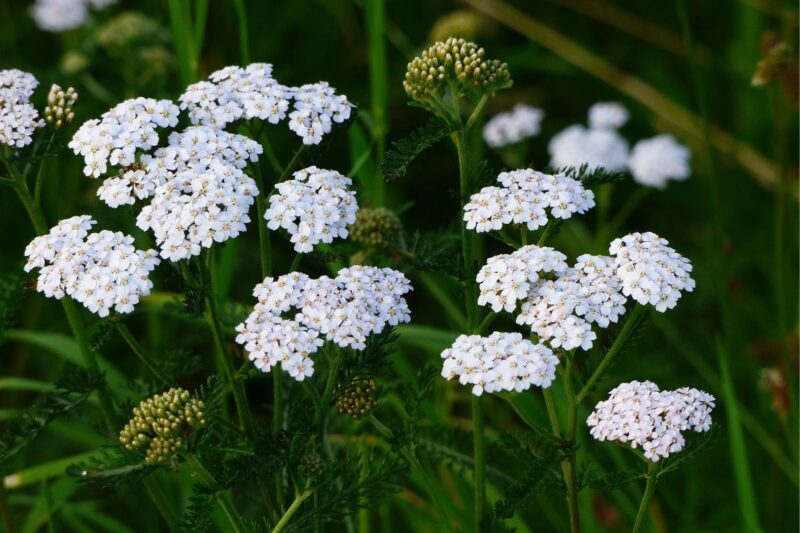
Yarrow, finally, still bears the name of Achilles. Healers said it was good for everything, especially for the bruises of the soul. We still make fritters from it that are as light as memories: dipped in a fluid batter, fried for two minutes, dusted with sugar… and served with a smile that says, “we’ve always done it this way.”
These six are enough. The rest of the maquis jealously guards its secrets; perhaps, one day, it will reveal them to you, if you walk softly.
The Corsican Art of Living: Flowers at Your Table
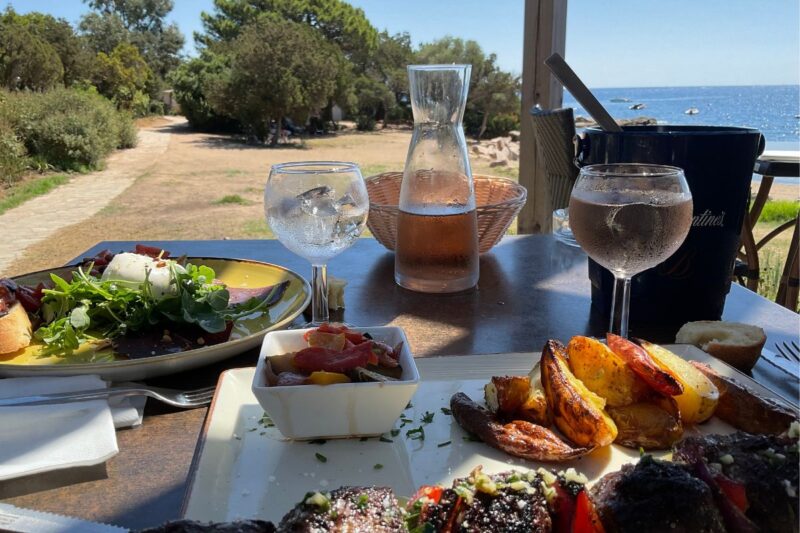
Incorporating maquis flowers into your cooking means adopting the Corsican art of living: simple, generous, and anchored in nature and the memory of the elders. Imagine a tomato and brocciu salad, sprinkled with rosemary flowers and nepita, accompanied by a Corsican rosé wine.
For dessert, try a fiadone embellished with myrtle flowers or lavender honey mixed into yogurt. Yarrow fritters, crispy and light, are a nod to traditional Corsican feast meals. For infusion lovers, an immortelle or nepita tea is soothing after a hearty meal.
A few precautions are necessary: pick in non-polluted areas, identify plants carefully (nepita can resemble other mints), and avoid over-harvesting to preserve the maquis. Pair these flowers with Corsican products: an herb-coated cheese like “Fleur du Maquis,” charcuterie like “lonzu,” or a Patrimonio wine.
Modern chefs are reinventing these traditions: a stew perfumed with immortelle or lavender honey ice cream. Why not try it at home?
The Corsican maquis, with its edible flowers, is an invitation to slow down, to taste, to remember. Each petal tells a story: that of the shepherds, the legendary outlaws, and families of all generations gathered around a table.
An Invitation to the Maquis
This exploration of the maquis is a reminder that cooking is a bridge between past and present, between nature and culture. So, why not pick (or buy!) some maquis flowers for your next meal? A nepita infusion, a flowery salad, or even a trip to Corsica to feel the maquis under your feet.
Explore our themes through the “Flower Collection” tab, or return to the heart of our world:
Floral guideFAQ on Corsican Maquis Wildflowers and Herbs
Which flowers of the Corsican maquis are edible?
The most common and safest varieties include: immortelle (Helichrysum italicum), nepita (Calamintha nepeta), myrtle flowers, Corsican thyme, lavender stoechas, Ligurian yarrow, rosemary flowers, and strawberry tree flowers. All other species require precise botanical identification before consumption.
Can immortelle be eaten raw?
While not toxic, eating immortelle raw is rarely recommended due to its intense, resinous, and somewhat bitter flavor, which can be quite overwhelming. It is best enjoyed infused or macerated in oil or honey, where its characteristic curry-like notes can fully bloom without overpowering the palate. As with all wild treasures, moderation is key.
What exactly is népita?
It is a small, wild Corsican mint (Calamintha nepeta) that exhales the savory scent of oregano with a lingering mentholated freshness. It is traditionally used as an aromatic herb to enhance lamb, stirred into sauces, or steeped as a digestive herbal tea.
Are there any toxic flowers in the Corsican maquis that resemble edible ones?
ndeed, the maquis is a land of beautiful deceptions. While many treasures are edible, some toxic plants can easily be mistaken for them by the untrained eye. For instance, certain toxic members of the Apiaceae family may superficially resemble yarrow, and the leaves of the oleander—which is highly toxic—could potentially be confused with others if not closely inspected. Always ensure a perfect botanical identification before picking; when in doubt, it is far wiser to admire the flower’s beauty than to risk its consumption.