This article offers an immersion into the history of a motionless traveler: the lotus. Through the lenses of spirituality, the science of living organisms, and cultures around the world, we explore how this flower has crossed millennia without losing its brilliance. An odyssey where plant chemistry meets traditions, revealing a lasting aesthetic.
In still waters, a silhouette rises, almost motionless. The lotus, whose lineage dates back to ancient times, is not just a plant: over the centuries, it has become a canvas onto which human aspirations have been projected. While its roots plunge into mud, its flower rises above the water, drawing a form whose regularity has often struck observers.
From the Nile Valley to the banks of the Ganges, this plant has crossed civilizations. To explore its history is to travel through a territory where observation of the living world, symbolic traditions, and cultural practices meet.
- Heritage of the centuries: why the lotus is associated, in many cultures, with rebirth
- Aesthetics and poetry: its influence in the arts of Asia and beyond
- Science of the living world: the self-cleaning mechanism known as the “lotus effect”
- Art of living: culinary, cosmetic, and craft uses
From the Nile to Asia: The Birth of a Symbolic Plant
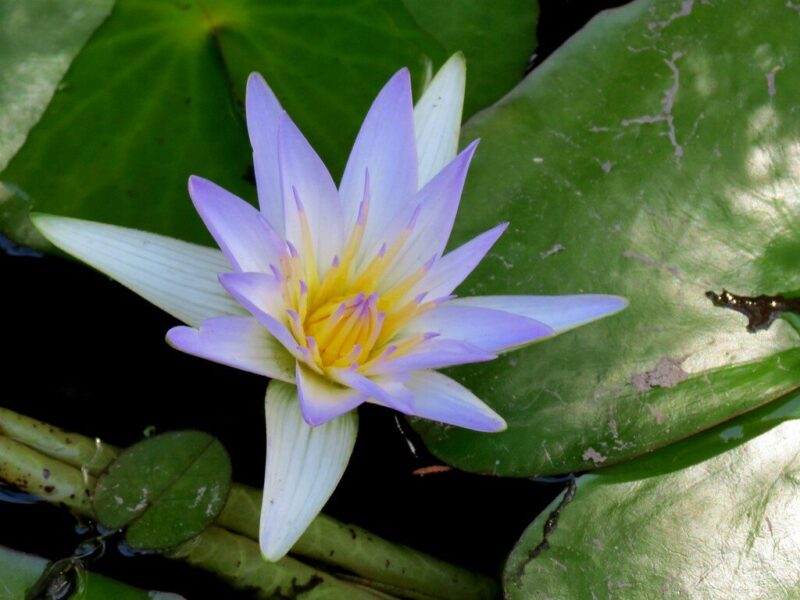
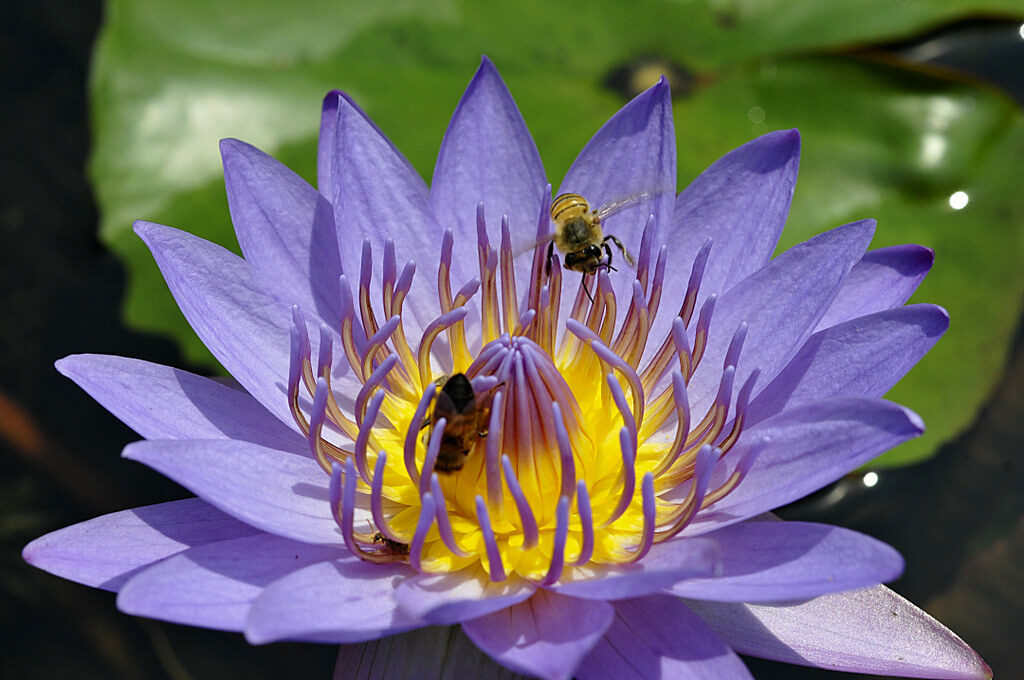
The history of the lotus begins on the banks of the Nile. For the ancient Egyptians, Nymphaea caerulea—often called the blue lotus—played an important symbolic role. From a botanical point of view, it is not the same lotus as the Asian one, but a water lily.
Every day, the flower opens at sunrise and closes at dusk. This natural rhythm at the water’s surface was naturally linked to the movement of the sun and the concept of rebirth. Floral imagery is abundant in tombs, occasionally appearing as garlands placed beside the deceased, serving as symbols of continuity between life and the afterlife.
Yet depending on the region of the world, this “lotus” isn’t always the same plant: its botanical identity changes, while its symbolism lives on.
In Asia, a different plant takes center stage: Nelumbo nucifera, the sacred lotus. Unlike the Egyptian water lily, its leaves and flowers rise high above the water’s surface. This vertical growth, almost detached from the aquatic environment, deeply shaped its symbolic meaning.
In ancient Indian texts, the lotus is linked to the emergence of the world itself, a foundational image of creation rising from primordial waters—see the article on the lotus, a flower of spiritual awakening. In China, the philosopher Zhou Dunyi described a plant that “grows from mud yet remains unstained.” This phrase permanently shaped its symbolism: that of a form capable of being born in murky surroundings while keeping its appearance pristine, becoming a metaphor for purity and integrity.
The Lotus in the Arts: Between Architecture, Image, and Imagination
The shape of the lotus exerted a lasting influence on many artistic languages across eras and civilizations. In ancient Egypt, it already appeared in sacred architecture in the form of “lotiform” capitals, where the stylized flower blooms at the top of temple columns, as if the stone itself were extending a plant motif linked to water and aquatic environments.
In Asia, the lotus became a ubiquitous motif, appearing in paintings, sculptures, textiles, and everyday objects. In Mughal miniatures, it is depicted with great naturalistic finesse, often integrated into compositions of paradise gardens. In Japan, it inspired many ukiyo-e artists: in the works of both Katsushika Hokusai and Kitagawa Utamaro, its petals and leaves are crafted in a play of lines and rhythms that emphasizes both the observation of nature and decorative balance. In China and India as well, it appears in religious paintings, textiles, and ritual objects, often serving as a visual marker of the sacred and the pure.
In literature, finally, the lotus appears as a recurring image of transformation, emergence, or preservation. It functions as a versatile metaphor, yet one always anchored in specific cultural traditions: far from a rigid, universal symbol, it retains the imprint of the distinct imaginations that have shaped it over time.
Beyond these cultural representations, the lotus has also drawn attention for more concrete reasons: its surface reveals remarkable physical properties.
The Lotus Effect: A Self-Cleaning Surface
On the surface of the leaves, water does not stick—this is one of the most fascinating and widely studied aspects of the lotus. The leaves are covered in a complex microstructure, combined with a thin waxy layer, which prevents water from spreading. Instead of forming a uniform film, the droplets remain spherical, beading on the surface and sliding off at the slightest movement, while carrying away any accumulated dust and particles.
This phenomenon, known as the “lotus effect,” gives the plant a natural self-cleaning ability: even in muddy or sediment-rich environments, its leaves remain clean and functional. On a biological level, this mechanism not only limits the accumulation of microorganisms but also helps preserve the gas exchange essential for the leaf’s respiration.
The sacred lotus (Nelumbo nucifera) also exhibits a form of floral thermoregulation that is particularly rare in the plant world. During blooming, the flower’s temperature can remain around 86 to 95°F (30 to 35°C), regardless of external conditions. This thermal stability is thought to promote the dispersion of scent compounds and enhance the attraction of pollinators, in a subtle strategy of interaction with its environment.
Today, these properties are sparking strong interest in biomimetics. They inspire the development of self-cleaning surfaces, technical textiles, and industrial coatings capable of reducing the adhesion of water, dirt, or microparticles, replicating the principles of a plant perfected by evolution.
The Lotus, from Everyday Asian Life to Plant-Based Knowledge
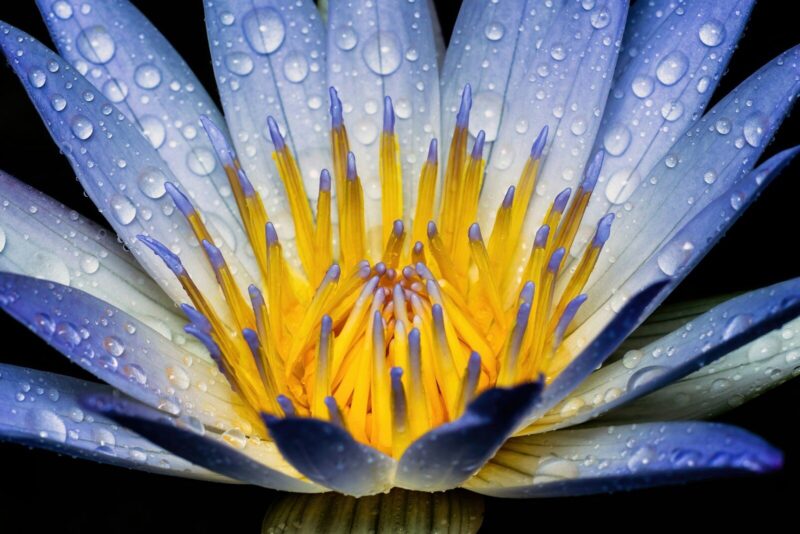
Beyond its symbolic significance, the lotus is fully integrated into daily life, where every part of the plant—from the mud to the flower—finds a specific use. In cooking, its rhizome—known as renkon—is widely consumed in Asia: sliced, stir-fried, deep-fried, or simmered, it stands out for its hollow, wheel-like structure and a texture that is both crunchy and slightly starchy, which holds sauces and enriches dishes. The seeds, for their part, are used in numerous preparations, particularly in baking, where they are ground into a smooth, slightly sweet paste.
In Vietnam, the lotus even finds its way into tea rituals: certain varieties are delicately scented by placing tea leaves inside fresh blossoms, where they slowly absorb the subtle, almost milky fragrance. This process echoes other traditions of flower-scented teas, such as jasmine tea—see the article on jasmine tea—where the plant becomes both a source of aroma and a cultural legacy. In perfumery, its extracts are sought after for their airy floral notes, both watery and powdery, which evoke a discreet elegance. Furthermore, the plant is drawing interest for its antioxidant compounds, which are studied in the field of skincare.
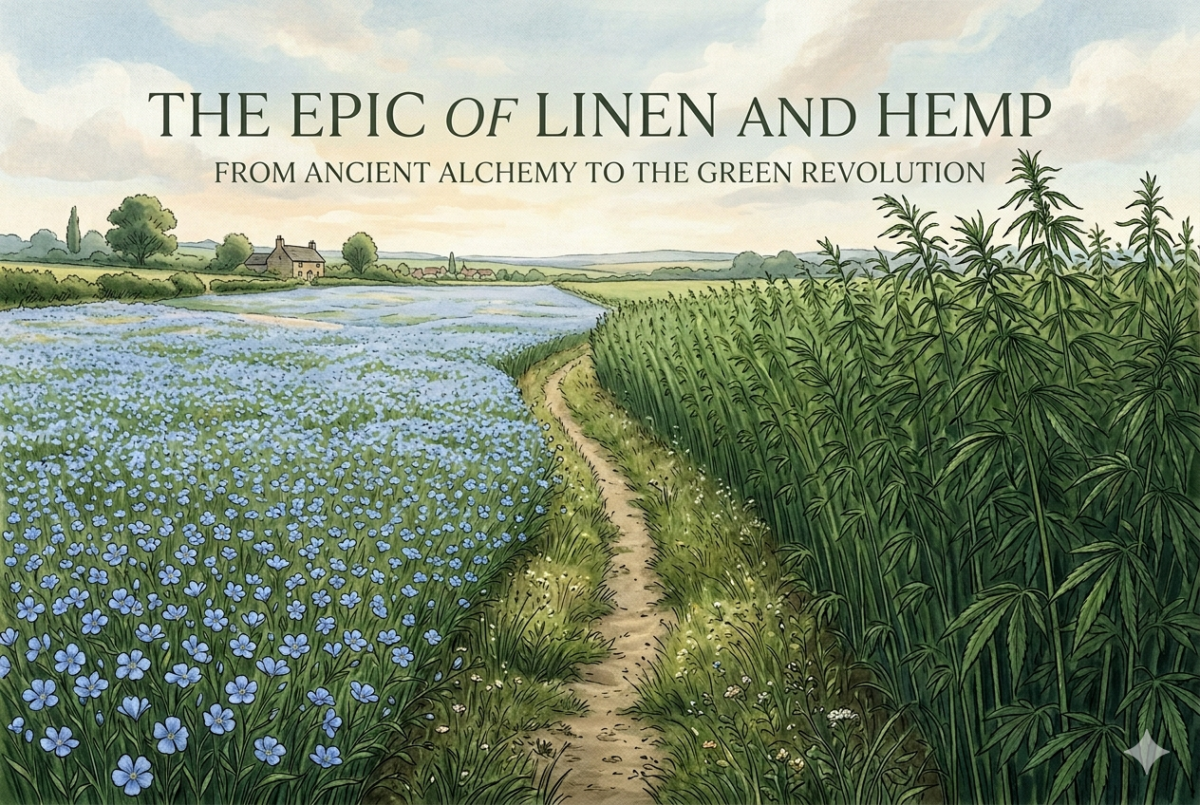
Even more confidential, a unique craft consists of extracting a textile fiber from the stems of the lotus. This practice, notably present in Myanmar, relies on meticulous expertise: the fibers, extracted by hand, are then spun to produce a rare fabric, the manufacturing of which requires a large quantity of stems for a tiny yield. This practice fits into a broader history of plant fibers—see the article on flax and hemp—which have long shaped textile skills throughout the world. This practice, still limited, is notably present in Myanmar. It requires a large quantity of material for a low yield.
The Lotus, Between Sacred Basins and Flower Stalls
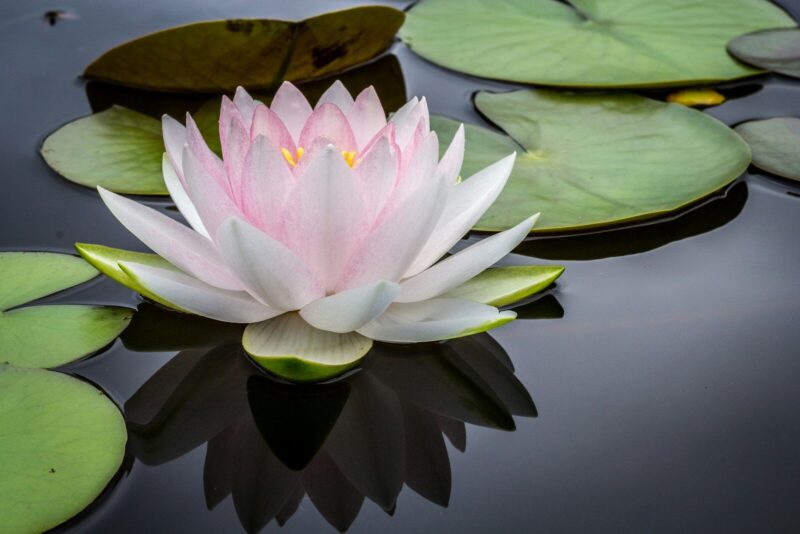
In historic gardens, the lotus finds its place in designs where water structures both the space and the view. In Chinese imperial gardens or around temple pavilions in India, it is cultivated in vast, shallow ponds, where its round leaves create an almost architectural surface and its blossoms punctuate the warm season. In Japan, while not always central, it can be found in certain Buddhist temple gardens, where it creates a dialogue with stones and footbridges, inviting contemplation. In Europe, it appeared later, notably in the 19th century within greenhouses and botanical gardens fascinated by exotic aquatic plants, such as those popularized by the collections of the Jardin des Plantes, where ponds were recreated to acclimate these species from afar.
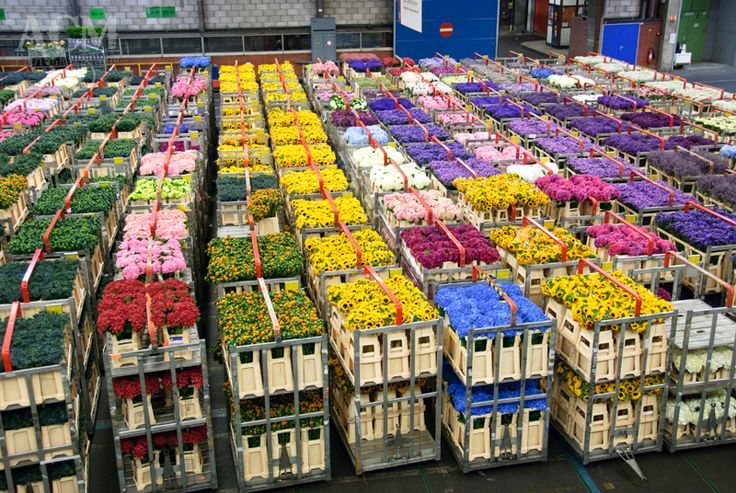
In flower markets, the lotus presents a completely different scene. In Southeast Asia, particularly in the early morning at floating or urban markets, its still-closed buds are sold for offerings or decorative uses, often in long, carefully tied stems. At the Pak Khlong Talat flower market, for instance, bundles of lotus destined for temples pile up, with some flowers even being delicately folded by vendors to create intricate patterns. The blossoms are sometimes shaped right after harvest, prepared as offerings through coded gestures that are as much a part of commerce as they are of ritual. In Europe, its presence remains rarer and seasonal, but it occasionally appears on specialized stalls, where it captivates with its sculptural form and subtle fragrance, becoming an almost precious object—somewhere between a botanical curiosity and an exceptional flower.
Conclusion: A Plant Between Observation and Representation
From the Nile to Asian gardens, and from aquatic surfaces to biomimetic laboratories and flower markets, the lotus constantly moves between observation and interpretation. Both a real plant and a mental image, it bridges fields that are often seen as opposites: the biological, the cultural, and the symbolic.
The story does not end with this petal…
Explore more tales of floral traditions and heritage, where every flower connects ancient botanical history with modern scientific innovation.
Continue Your Exploration
Immerse yourself in the world of flowers through our various themes and discoveries.
Start ExploringReceive Our Next Discoveries
Subscribe ✉️