Prortaits and destinies

Flower Portraits: The Essence and Heritage of Botanical Icons

To the articles

Within the structure of “Petals of History,” the Flower Portraits category serves as the fundamental matrix of our editorial architecture. More than a simple botanical nomenclature, these articles offer documented biographies of species that have altered the course of civilization. This section analyzes the identity of a plant—its origin, biological evolution, and nomenclature—before examining how it has been integrated into the social, artistic, and scientific structures of humanity.

The Flower as an Object of Historical and Geopolitical Research

Considering the flower as a historical subject allows us to move beyond its aesthetic function to analyze it as an active agent of human history. A plant species is never a neutral element; it sits at the crossroads of migratory currents, territorial conquests, and economic necessities.

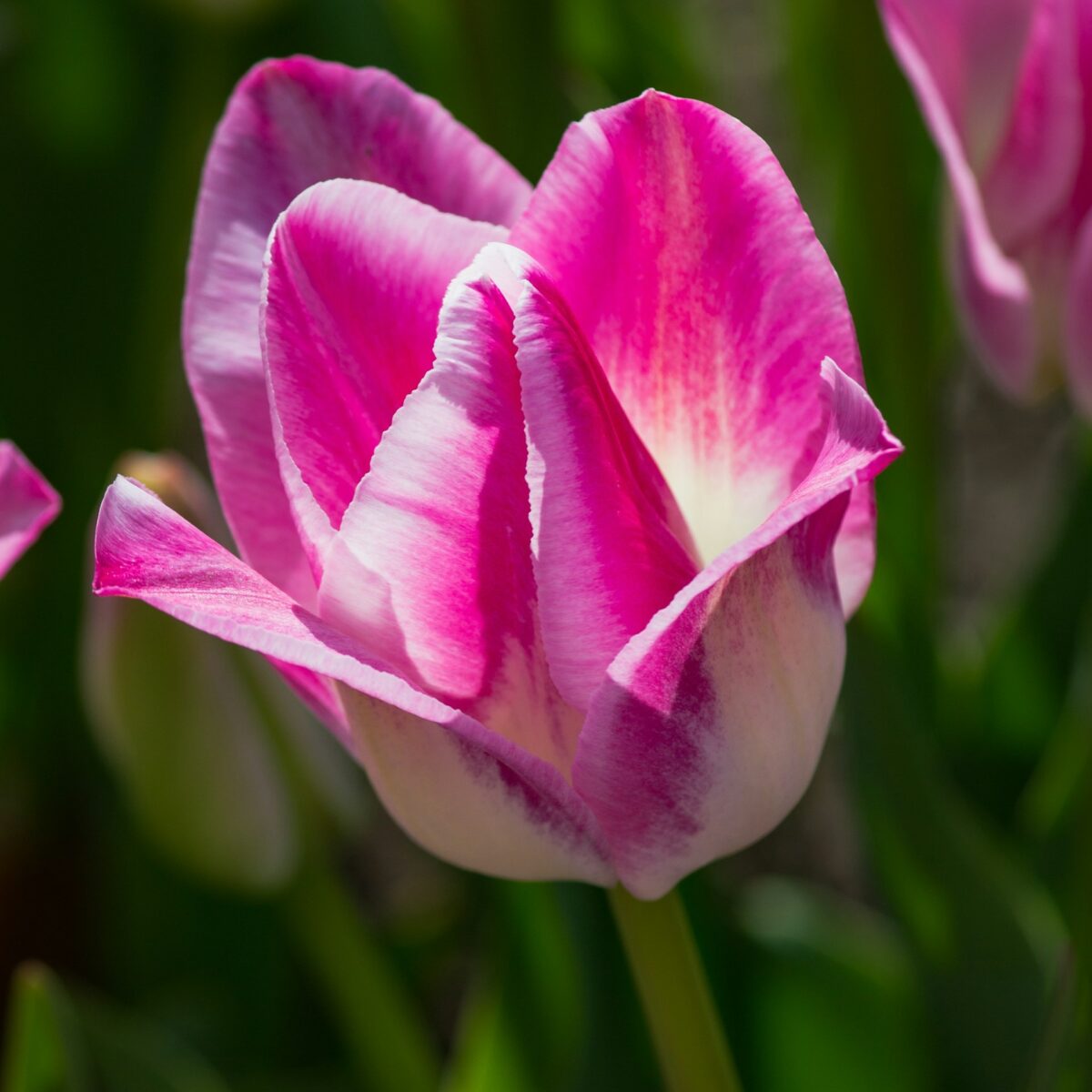
The history of Tulip Mania in the 17th-century United Provinces remains the most striking example of a plant’s financial impact. A single bulb, through a virus (the mosaic virus) that created unique patterns on its petals, became a stock market asset. This crisis was not a horticultural accident but a reflection of the emergence of modern capitalism. Similarly, the introduction of the Chrysanthemum to Europe in the 18th century was not merely an aesthetic fad but a direct result of the expansion of the East India Company and the opening of trade routes to the Orient. Our portraits document these roots to explain why certain flowers hold a predominant place in our contemporary heritage.

A Multidisciplinary Methodology: The “Botanical Biography”

Every portrait published on “Petals of History” is based on a rigorous synthesis of several disciplines. We deliberately move away from gardening manuals to focus on the intellectual and material trajectory of the plant through three analytical dimensions:

Anatomy and Architecture:

Analysis of floral morphology and its influence on technical structures. For example, Joseph Paxton’s observation of the giant water lily’s structure (Victoria amazonica) directly inspired the iron and glass architecture of the Crystal Palace in 1851.

The Evolution of Uses and Knowledge:

From the ancient pharmacopoeia of Dioscorides to the applications of modern organic chemistry, we trace how humanity has identified and exploited the active principles (alkaloids, essential oils) of plants.

Geographical Traceability and Taxonomy:

The study of plant migratory flows, from their original centers of domestication (the Fertile Crescent, the Andes, Central Asia) to their systematic classification by naturalists such as Carl Linnaeus or the Jussieu family.

I. The Axis of the Spirit: Art, Literature, and Representation

This first axis explores the transition of the plant from the natural environment to the cultural medium. The flower is studied here as both a visual and textual language.

Symbolism and Iconography:

In art history, the flower functions as a precise semantic code. In Flemish and Dutch painting, the bouquet is an intellectual construction grouping flowers that do not bloom in the same season, aiming to illustrate the concept of Vanitas (the brevity of life). In the Victorian era, the “Language of Flowers” (Floriography) became a coded communication system essential to the sociability of the time.

The Current of Ideas and Literature: From ancient poetry to the 20th-century avant-garde, the plant structures the narrative. We analyze how the flower is used to express abstract concepts: purity among the Romantics, decadence among the Symbolists (Baudelaire and his Flowers of Evil), or involuntary memory through Marcel Proust’s famous hawthorn.

This axis allows us to understand how a species, through its physical characteristics, becomes a universal symbol capable of crossing eras without losing its evocative power.

II. The Axis of Time: Traditions, Heritage, and the Sacred

The second axis deals with the permanence of uses and the inscription of the flower within collective memory. It brings together social, religious, and memorial forces.

Flowers of the Sacred and of Memory:

This subcategory analyzes the predominant role of plants in religious and funeral rites. The Lotus in Buddhist and Hindu iconography represents the emergence of consciousness from matter. The Lily, associated with the Virgin Mary, served as the basis for French royal heraldry. We also study the role of flowers in national memory, such as the Poppy and the Cornflower (Bleuet), which became symbols of resilience following the conflicts of 1914-1918.

Traditions, Festivals, and Events:

The flower is a temporal and social marker. We decipher the origins of seasonal festivals, from medieval Floralies to contemporary horticultural festivals. The study of this intangible heritage demonstrates how a specific flower can cement a community’s identity (for example, the place of Lavender in Provençal identity or the Cherry Blossom in Japanese culture).

III. The Axis of the World: Science, Economy, and the Art of Living

The third axis focuses on material, scholarly, and landscape reality. It is here that we measure the impact of the flower on the development of knowledge and global exchange.

History of Science and Exploration:

Botany was the engine of the great scientific expeditions. We highlight the work of traveling botanists (Bougainville, Commerson, Fortune) who risked their lives to inventory global flora. The evolution of techniques, such as the invention of the Wardian Case in the 19th century, allowed for the transport of living plants by sea, thereby revolutionizing global agriculture and horticulture.

Economy and the Art of Living:

The flower is a luxury product and an industrial driver. The high perfumery industry, centered in Grasse, or the globalized cut flower market in Aalsmeer, are the heirs of centuries of varietal selection. We also analyze how evolving tastes have shaped the art of living, from the elegance of salons to the development of allotment gardens.

Gardens of the World and Urbanism:

The garden is the physical manifestation of a worldview. From the medieval monastery garden (hortus conclusus) to the industrial-era urban parks designed as “lungs” for cities, we study how flower portraits integrate into these landscape structures that reflect the psyche of an era.

Discover all our articles

oeillet : histoire, symbolisme et signification

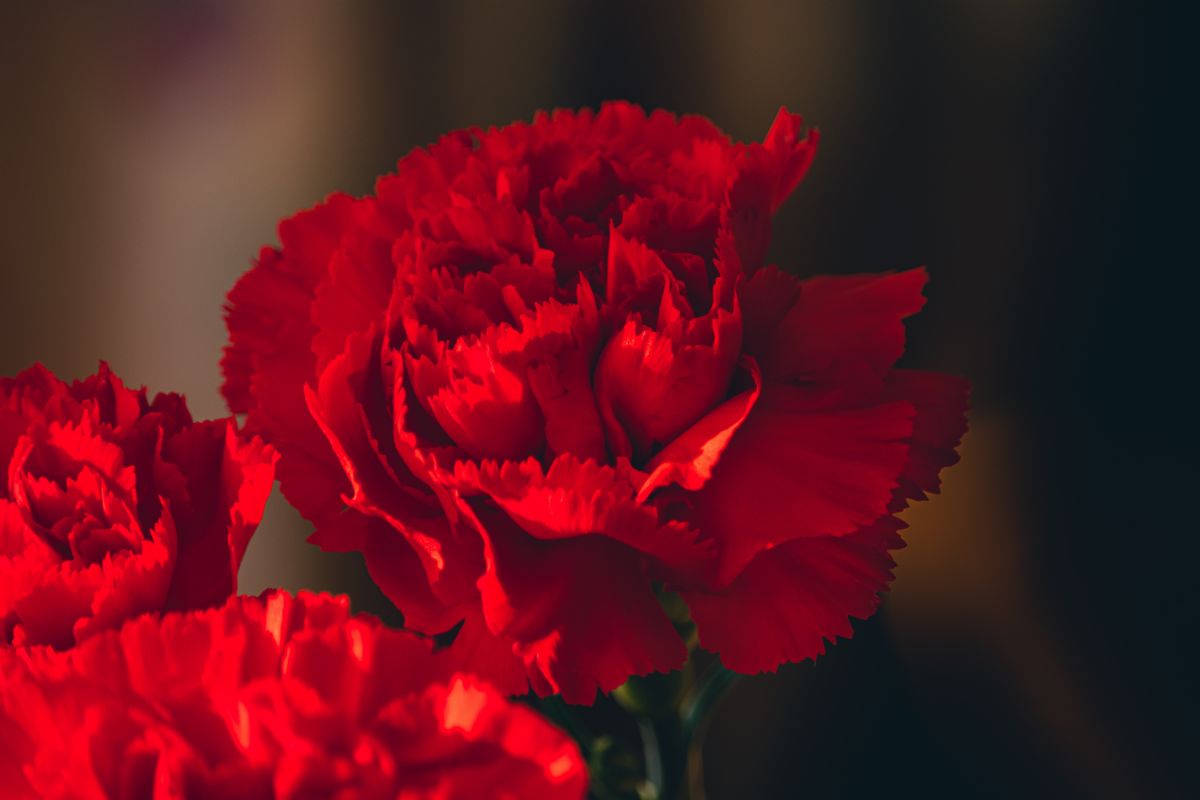
The Carnation: Petal of Revolt and Tenderness

Timeless Carnations
The scent of the carnation: a whisper of clove and peppery rose
Artistic carnations
The green carnation: Oscar Wilde’s emblem
The carnation as a symbol of revolt
The carnation: flower of the gods
Carnation: history, symbolism and meaningDiscover the carnation, flower of revolt and remembrance, from the guillotines of 1793 to the cloisters of the Middle Ages. A poetic portrait of its history and symbols.

The Carnation: Petal of Revolt and Tenderness Read More »

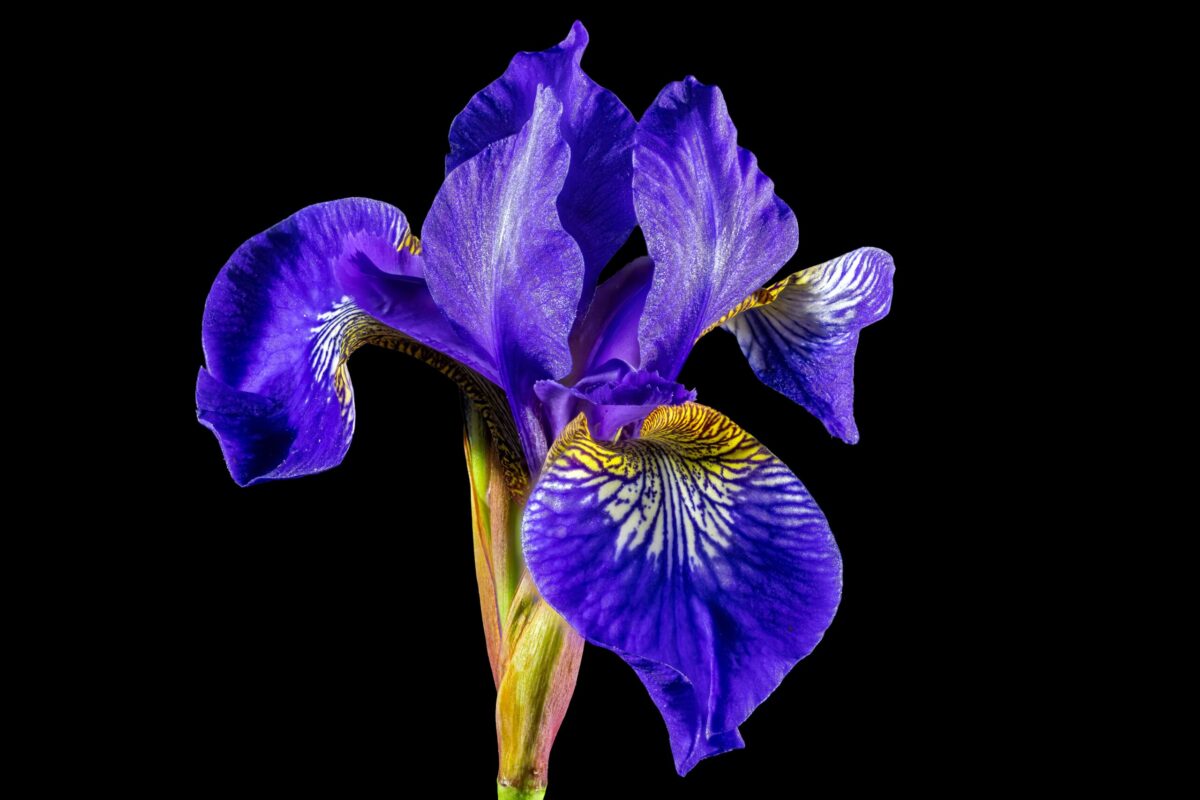
Iris bleu au coeur jaune en gros plan

The Iris: In the Wake of the Rainbow – History, Art, and the Secret Power of the Messenger Flower

Des mythes grecs aux vitraux de l’Art Nouveau, découvrez l’histoire envoûtante de l’Iris. Symbole du Québec, fleur médicinale et sentinelle écologique de nos rivières.

The Iris: In the Wake of the Rainbow – History, Art, and the Secret Power of the Messenger Flower Read More »

Tournesol, van Gogh, art,

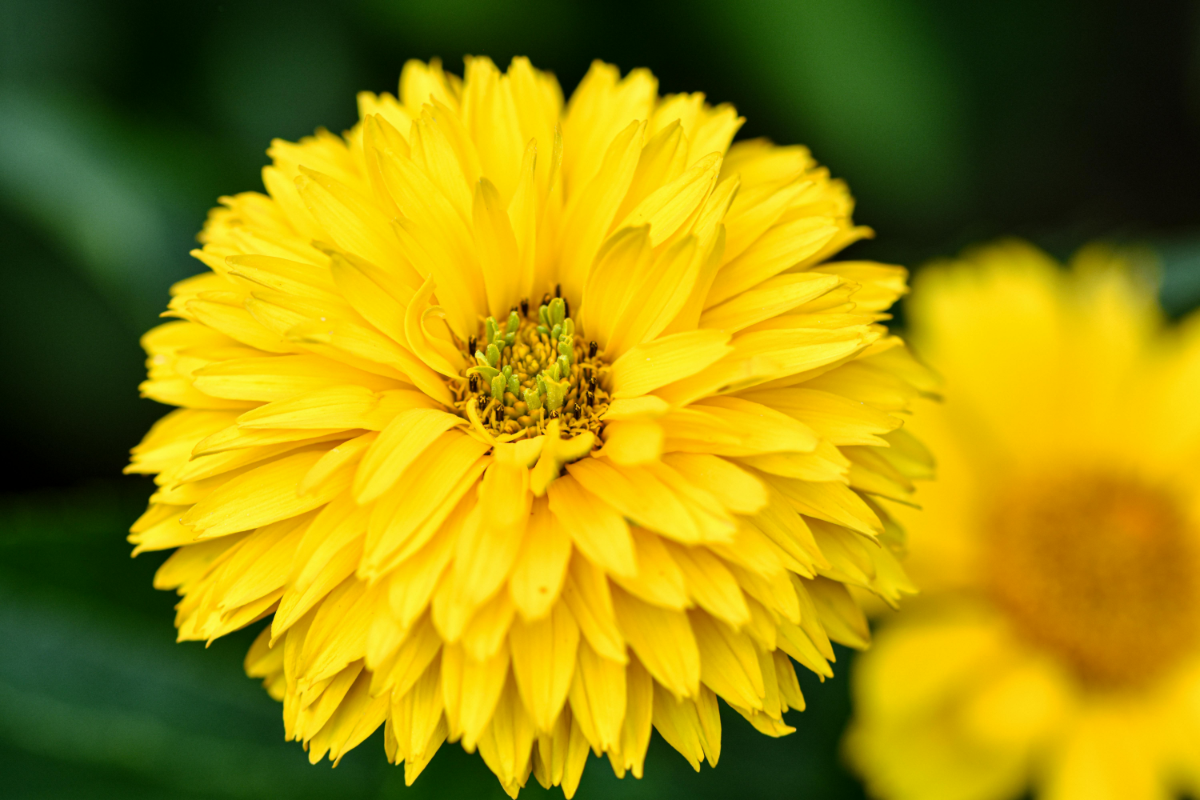
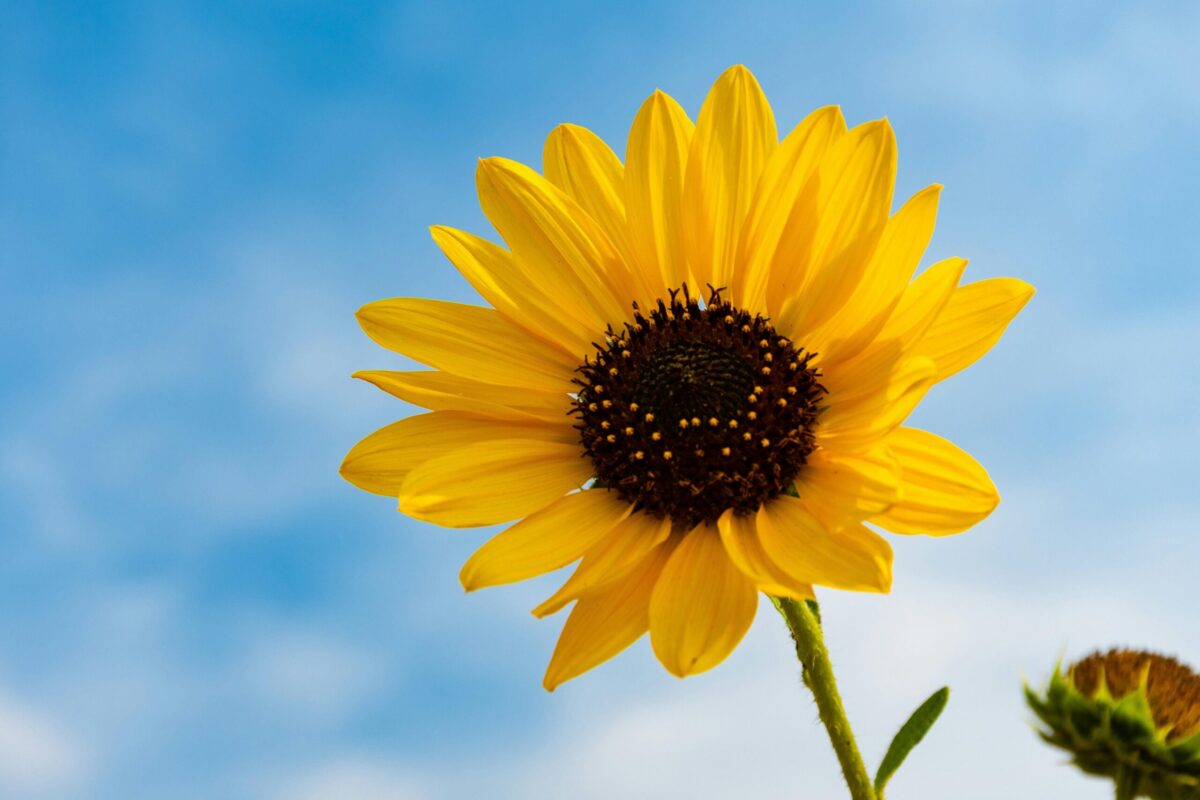
The Sunflower, Flower of the Sun: A Millennial History, Sacred Botany, and an Odyssey from the Americas to Russia

De l’éclat des civilisations amérindiennes aux champs dorés d’Europe, explorez l’odyssée millénaire de l’Hélianthe. Plongez dans l’histoire, la botanique et la perfection de la fleur qui suit le soleil.

The Sunflower, Flower of the Sun: A Millennial History, Sacred Botany, and an Odyssey from the Americas to Russia Read More »

Scroll to Top