Tulips—delicate flames born from the rugged steppes of Central Asia—flicker through history like the verses of an unending poem. From the opulent courts of the Ottoman Empire to the meticulously groomed Dutch estates, they have cast a spell over poets, sultans, and merchants alike. More than a mere botanical specimen, the tulip is a vessel of profound symbolism, carrying tales of unbridled passion and sovereign nobility. This narrative traces the complete journey of this flower, a bridge between the mysticism of the Orient and the ambition of the Occident.
The true cradle of the tulip lies within the vast plains of the Ottoman Empire, where they were cherished by the sultans as earthly reflections of divine perfection. The variety most familiar to us today, Tulipa gesneriana, was refined during this era. Their prestige reached its zenith under the reign of Sultan Ahmed III, an epoch gracefully remembered as Lale Devri—the Era of Tulips.
In this foundational guide, you will explore:
- The Sultans’ Jewel: How a wild wildflower from the Central Asian steppes became the sacred emblem of the Ottoman Empire.
- The Language of Petals: Decoding the silent poetry of colors, from the fiery red of eternal passion to the royal violet of nobility.
- Tulip Mania & Beyond: An exploration of the 17th-century economic fever and the flower’s enduring legacy in art and modern landscapes.
I. The Roots of the Turban: The Sovereign Bloom in Ottoman Lands
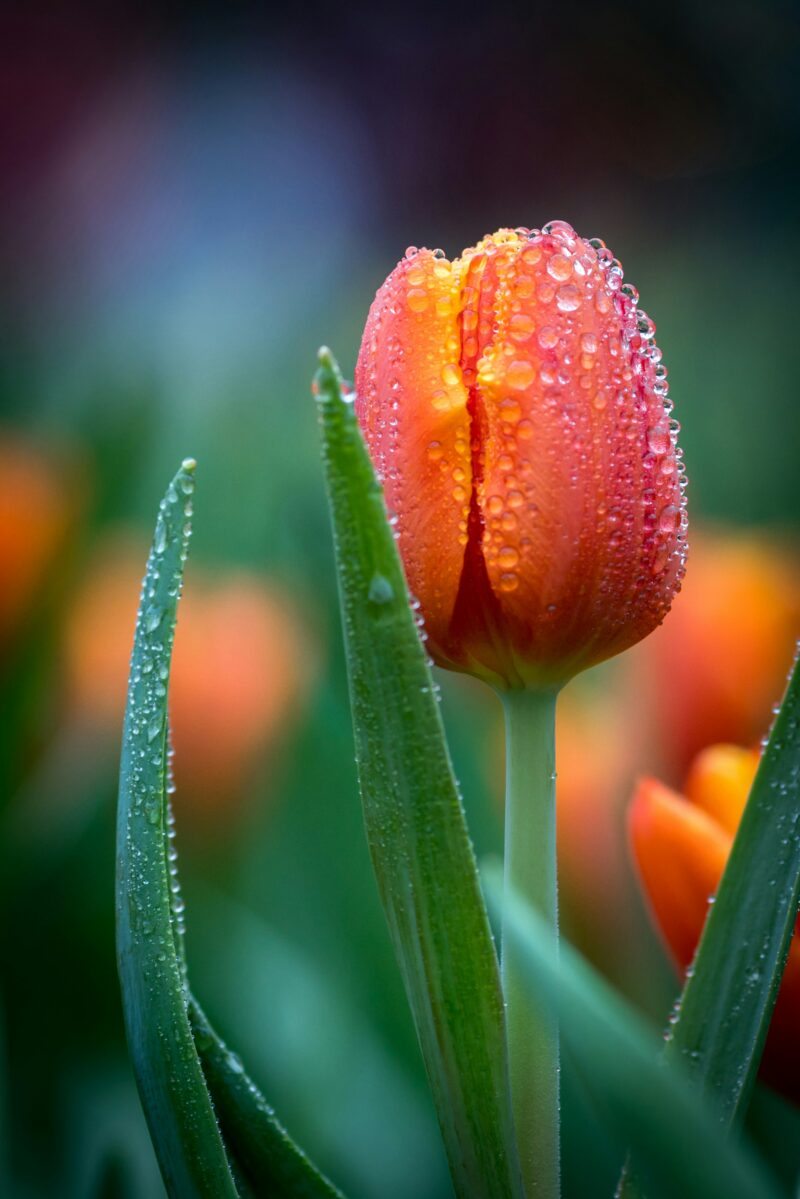
The very name “tulip” whispers of its history, derived from the Turkish tülbent, meaning turban—a nod to the flower’s rounded, regal silhouette. In the 16th century, these blooms were more than ornaments; they were sacred. They adorned the exquisite Iznik ceramics of ancient Nicaea and shimmered in Persian miniatures, their crimson and golden petals murmuring silent prayers of divine love.
Introduced to Europe by scholarly ambassadors such as Ogier de Busbecq (1522–1592), they soon crossed the continent to conquer the Netherlands. This migration, reminiscent of the Silk Road travels of the Isfahan Rose, weaves a poetic bond between East and West.
Lale Devri: The Golden Age of the Ottoman Tulip
Before becoming a Dutch icon, the tulip reigned supreme in Constantinople. Under Sultan Ahmed III in the early 18th century, the fascination reached such heights that the era itself was christened Lale Devri. During these years of prosperity, the tulip was not merely cultivated; it was venerated. Thousands of varieties were birthed, each graced with a lyrical name like “Nightingale’s Tear” or “Light of the Dawn.”
The Ottoman tulip, characterized by its needle-like, slender petals, was considered the botanical form closest to the divine. It was this aura of perfection, brought to Europe by travelers and botanists like Carolus Clusius, that eventually ignited the imagination of the Western world.
II. Keukenhof: The Living Cathedral of the Low Countries
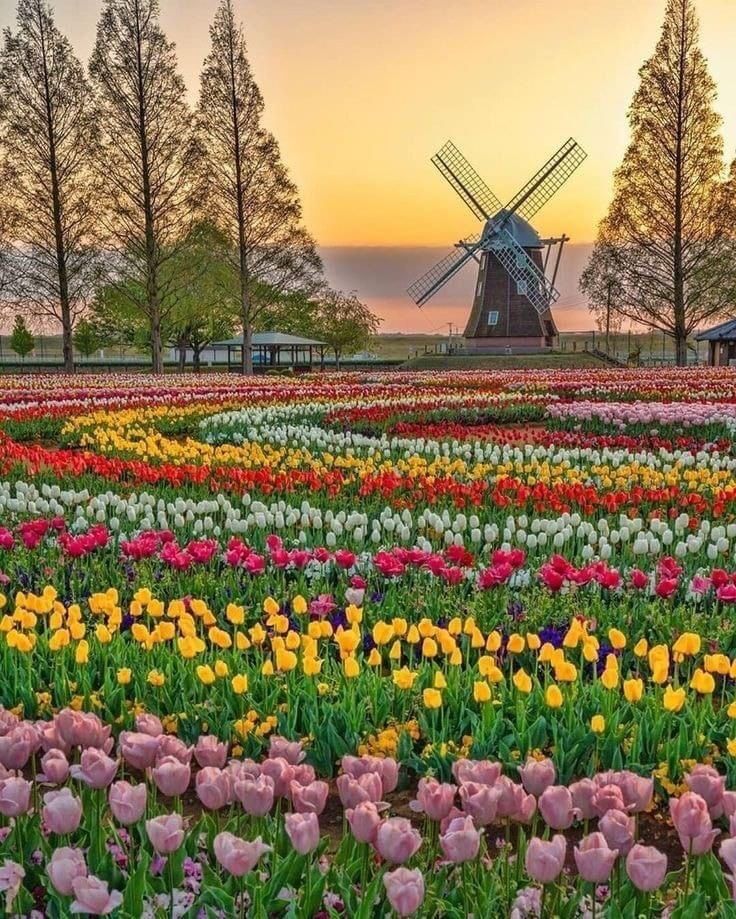
While the history of the tulip is written in ink and oil paint, its most vibrant chapter is rewritten every spring in the soil of Lisse. Keukenhof, often called the “Garden of Europe,” is far more than a seasonal exhibition; it is a living testament to centuries of botanical mastery. Spanning over 79 acres, this sanctuary showcases the evolution of the tulip from the wild, modest species of the Pamir Mountains to the flamboyant hybrids of the modern era. To wander its paths is to walk through a floral symphony where millions of bulbs bloom in a synchronized crescendo, echoing the Dutch dream of a curated, floral paradise.
III. The Canvas of Desire: Tulips in the Golden Age of Art
In the 17th century, the tulip’s beauty was so fleeting—and its price so staggering—that owning a painting of a flower was often more practical than buying the bulb itself. The masters of the Dutch Golden Age, such as Ambrosius Bosschaert and Rachel Ruysch, elevated the tulip to a central protagonist in the “Vanitas” genre. These paintings were not mere decorations; they were mirrors reflecting the Tulip Mania.
Artists meticulously captured the intricate “flames” of the Semper Augustus, ensuring that even after the bulb had withered or the market had crashed, the flower’s ephemeral glory remained immortalized in pigment. This artistic obsession transformed the tulip from a biological specimen into a cultural icon, bridging the gap between botanical science and poetic melancholia.
IV. Defying the Seasons: The Alchemy of Forced Blooms and Christmas Greens
One of the most fascinating triumphs of horticultural engineering is the art of forcing. Since the era of grand orangeries, gardeners have sought to trick the tulip into believing spring has arrived in the depths of December. This delicate process involves simulating the chill of winter before bathing the bulbs in artificial warmth, allowing “Christmas Tulips” to brighten the darkest days of the year.
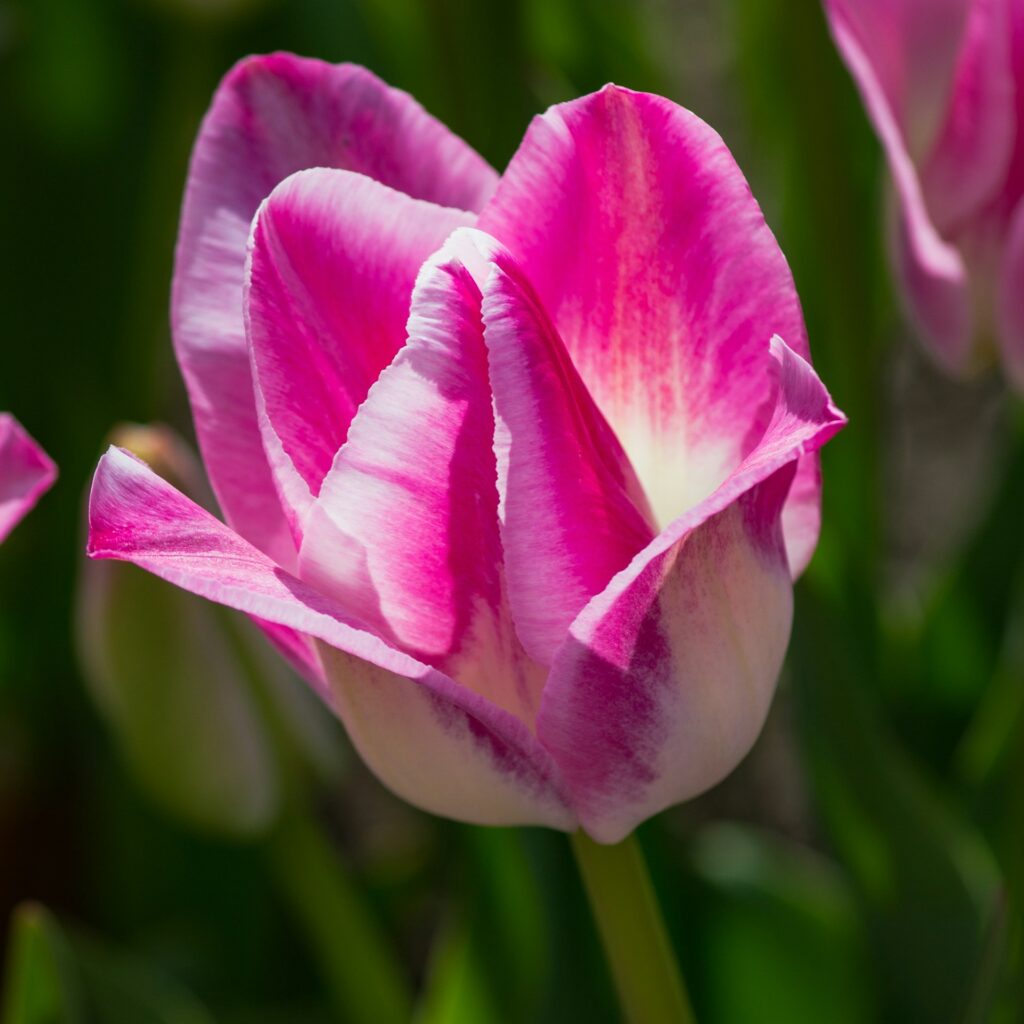
Among these winter treasures, the Green Tulips (Viridiflora) hold a special place. With their emerald streaks blending into ivory or rose petals, they offer a rustic, almost wild aesthetic that defies the frost. This mastery of the life cycle—turning a dormant bulb into a mid-winter miracle—represents the pinnacle of human intimacy with the floral world, a tradition that continues to grace our holiday tables today.
V. The Bulb Delirium: A Brief History of Tulip Mania (1634-1637)
The arrival of bulbs in the Low Countries triggered a fever unlike any other in the 17th century. The tulip was no longer just a symbol of grace; it became a frantic object of speculation. This was “Tulip Mania.” At its peak, the price of a single bulb, such as the legendary Semper Augustus, could exceed the cost of a grand canal house in Amsterdam. This economic phenomenon was driven by a fascination with “broken” tulips—flowers with unpredictable, flame-like streaks caused by a virus, rendering them rare, fleeting, and irresistibly precious.
It is a poignant irony of history that the legendary Semper Augustus—the most coveted treasure of the 17th century—is now a ghost of the past; because its beauty was the result of a virus that eventually weakened the species, this ‘King of Tulips’ exists today only in the vibrant brushstrokes of the Old Masters.
VI. Symbolism: An Ephemeral Poem
In Western culture, the tulip speaks of love’s fragility. Red for burning passion, white for purity and forgiveness—they embody “Vanitas,” a theme beloved by Dutch poets like Joost van den Vondel. Their brilliance, much like the peonies in Asian art, reminds us of the fleeting nature of life: a petal unfurls in glory, only to surrender to the wind.
Decoding the Palette
- Red Tulips: The ultimate declaration of “eternal flame.”
- Yellow Tulips: Once signs of jealousy, they now represent the sunshine of a cheerful heart.
- White Tulips: A gesture of peace, purity, and new beginnings.
- Purple Tulips: The shade of royalty, celebrating elegance and high achievement.
VII. The Bulb’s Imprint: When Holland Became the Garden of History
By the 17th century, tulips were immortalized in the still-life paintings of the Dutch Golden Age. Today, at Keukenhof, these flowers continue to bloom as a living legacy—a vibrant testament to a history written in petals.
The Floral Legacy: A Century-Spanning Reflection
“A flower does not think of competing with the flower next to it. It just blooms.”
- • Sacred Origins: More than a flower, it was the tülbent (turban) of the Sultans, a sacred symbol of divine perfection in the Ottoman courts.
- • The Golden Fever: The 17th-century Tulip Mania remains the world’s first speculative bubble, where a single bulb could command the price of an Amsterdam canal house.
- • The Lost King: The legendary Semper Augustus, with its viral “flames,” is now extinct, surviving only as a ghostly masterpiece in Baroque paintings.
- • Artistic Muse: Through the Vanitas movement, the tulip became a poetic metaphor for the fleeting nature of life—beauty that is as breathtaking as it is ephemeral.
- • Modern Mastery: From the “living cathedral” of Keukenhof to the alchemical art of winter forcing, the tulip continues to be the ultimate bridge between nature’s wild soul and human ingenuity.
Reflections on this Blossom
Deepen your journey with these dedicated chronicles:
Explore our themes through the “Flower Collection” tab, or return to the heart of our world:
GatewayThe Tulip’s Secrets: Echoes from the Garden of History
Why did the Dutch go “mad” for tulips specifically?
It was the mystery of the “breaks”—the unpredictable striped patterns that appeared like magic. In an age before virology, these unique designs were seen as a touch of the divine (or luck), making the tulip the ultimate status symbol for the rising merchant class.
Is the “Tulip Mania” the first economic bubble in history?
Most historians consider it the first recorded speculative bubble. It proves that even the most delicate flower can weigh as much as gold when fueled by human desire and the quest for rarity.
Can I still find the “broken” tulips of the Golden Age today?
The original virus-infected bulbs like Semper Augustus are extinct, as the virus eventually weakened the plant. However, modern “Rembrandt Tulips” offer the same flame-like beauty through stable genetics, without the floral illness.